High-efficiency, vehicle-mounted charging modules certified for demanding Japanese industrial fleets and next-generation passenger vehicles.
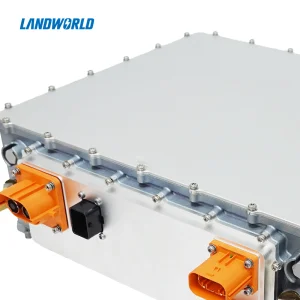
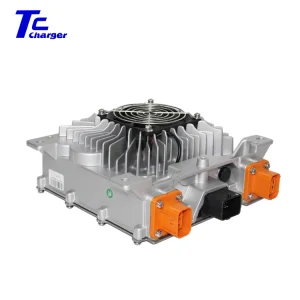
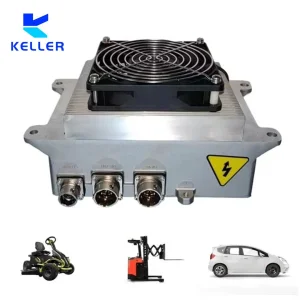
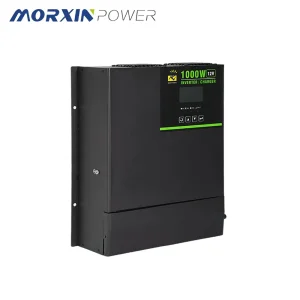
Osaka, the economic engine of Western Japan and the heart of the Kansai region, is driving a profound transition toward industrial and commercial fleet electrification. As a global logistical nexus, Osaka is home to dense networks of maritime shipping ports, advanced warehouse infrastructure, and extensive light commercial vehicle networks. The local government's commitment to achieving net-zero carbon emissions has accelerated the adoption of electric commercial fleets, automated guided vehicles (AGVs) within port facilities, and zero-emission municipal transportation systems.
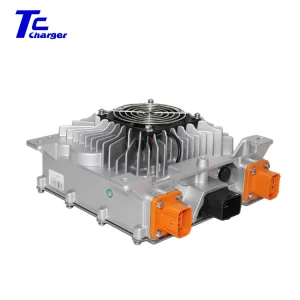
Within this dynamic industrial landscape, the demand for high-reliability On-Board Chargers (OBCs) has surged. Unlike consumer passenger EVs, industrial electric applications in Osaka demand components that can withstand constant operational cycles, rapid thermal shifts, and high vibration profiles. From port-bound heavy vehicles to warehouse AGVs navigating precise tracks, the powertrain hardware must operate at peak efficiency. Osaka-based firms are increasingly looking for global manufacturing partners who can supply highly customizable, rugged, and certified OBCs that seamlessly interface with Japan’s high-precision energy infrastructure.
Moreover, grid stability requirements in Japan are exceptionally stringent. Power components deployed in Osaka must strictly comply with local utility standards, including localized electromagnetic interference (EMI) mitigations and high power factor correction (PFC) parameters to avoid grid harmonics. This has driven Osaka-based system integrators to seek advanced power solutions that integrate advanced digital communication capabilities (such as CAN Bus 2.0B) to monitor energy ingestion and diagnostic parameters in real-time.
The partnership between Japanese automotive engineering excellence and Chinese rapid-scale electronics manufacturing represents a powerful synergy in the global EV market. While Japanese enterprises in Osaka excel in meticulous systems integration, application-level engineering, and strict quality assurance, Chinese power electronics manufacturers offer unparalleled scale, rapid prototyping, and vertical integration.
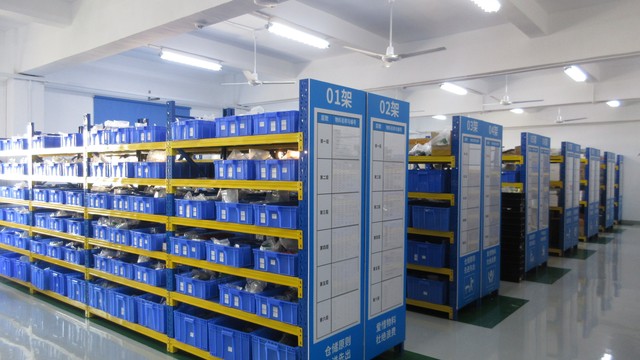
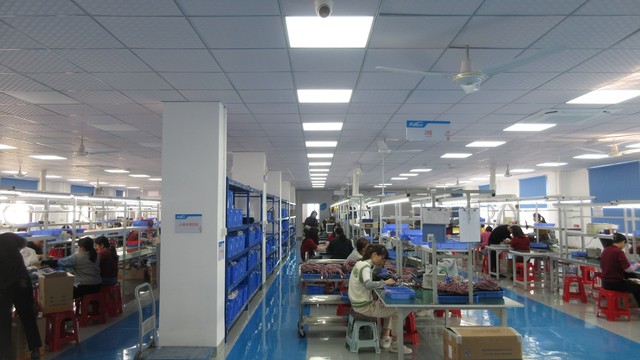
Leading the vanguard of this supply chain collaboration is Shenzhen DCI Autos Co., Ltd. Established in 2014, DCI Autos has structured its operations to align directly with international automotive quality standards, making it a reliable partner for Japanese industrial procurement. Operating from a state-of-the-art production facility encompassing 28,000 square meters and powered by more than 300 highly trained employees, DCI Autos offers the exact combination of engineering depth, capital equipment, and quality systems required by Japanese OEMs.
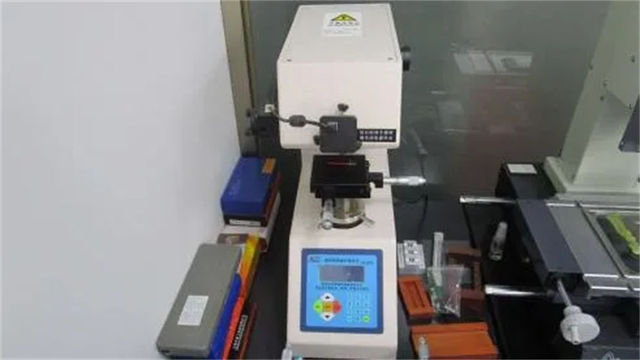
By maintaining extensive domestic supply chains in Shenzhen—the global epicenter of lithium battery and electric powertrain technology—DCI Autos is capable of developing, validating, and mass-producing high-density OBC systems at a fraction of the time and cost required by traditional localized supply routes. The company’s comprehensive engineering laboratories allow it to conduct detailed environmental validation, salt spray exposure testing, high-impact vibration tests, and electromagnetic compatibility diagnostics. This mirrors the rigorous qualification protocols standard within Japanese industrial ecosystems, ensuring that every product arriving in Osaka is fully verified and ready for commercial deployment.
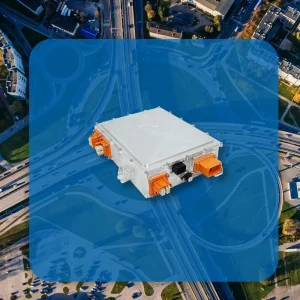
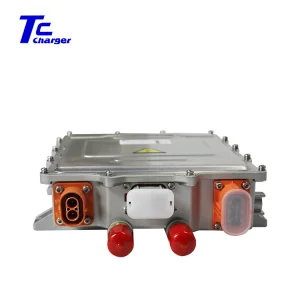
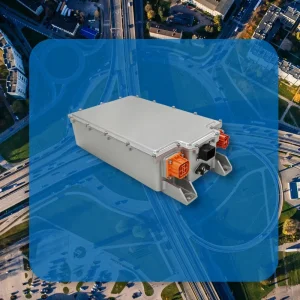
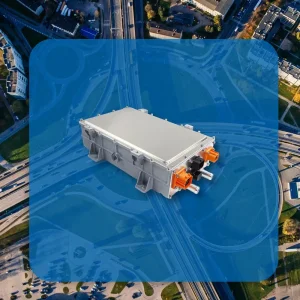
Highly integrated multi-in-one architectures, combining OBCs, DC/DC converters, and PDUs to optimize vehicle packaging and efficiency.
The engineering landscape governing EV chargers is undergoing a significant transition. Three major technological megatrends are currently redefining how on-board power systems are designed, specified, and deployed:
The transition from traditional Silicon-based MOSFETs to Silicon Carbide (SiC) and Gallium Nitride (GaN) switches has dramatically optimized high-frequency efficiency. SiC devices allow for higher switching frequencies, reducing the volumetric requirements of inductors, capacitors, and transformers while boosting efficiency beyond 96%.
Vehicle-to-Grid (V2G) and Vehicle-to-Home (V2H) features are critical requirements in the Japanese market due to regional disaster recovery initiatives. Bidirectional OBCs allow parked commercial vehicle fleets to act as distributed battery reserve systems, feeding power back into the municipal grid during peak demand or emergencies.
To reduce spatial footprints and reduce wiring harness complexities within modern EV chassis, standard architectures are migrating from discrete OBCs to integrated units (e.g., 2-in-1 and 3-in-1 topologies containing the OBC, DC-DC converter, and Power Distribution Unit).
For industrial operators in Osaka, these developments deliver tangible operational improvements. By optimizing conversion efficiency, heat dissipation requirements are reduced, allowing for fully sealed, passively cooled or closed-loop liquid-cooled topologies. Furthermore, the integration of DC-DC converters directly with the OBC decreases high-voltage cabling runs, mitigating electromagnetic compliance (EMC) risks and ensuring seamless compliance with VCCI (Voluntary Control Council for Interference) standards.
Designing power electronics for the Kansai region requires understanding the specific operational environments where these systems will be deployed. Our technical roadmap covers three high-impact local scenarios:
Osaka's logistical ports handle massive volumes of container traffic. Modern warehouses throughout Osaka utilize automated guided vehicles (AGVs) and autonomous mobile robots (AMRs) that require rapid opportunity charging to maintain continuous operations. In these environments, charging systems must feature high reliability, dust-proof protection, and compact form factors. Our IP67-rated 3.3kW OBCs with integrated CAN communication protocols enable these autonomous platforms to self-dock, execute thermal management protocols, and charge safely with zero human oversight.
With narrow urban corridors and dense pedestrian zones, Osaka’s delivery network relies heavily on light-duty commercial vehicles and specialized electric motorcycles. Our integrated 3.3kW OBC + 1kW DC-DC converter assemblies are optimized for compact engine compartments. By consolidating these components into a single casing, fleet operators gain additional payload space and improve fuel-equivalent efficiency ratios, directly lowering total cost of ownership (TCO).
From golf cart operations in Osaka's surrounding recreational resorts to light electric passenger shuttles operating around public exhibition spaces, specialized low-speed electric vehicles (LSEVs) require cost-effective, shock-resistant charging solutions. Our waterproof 72V and 144V battery charger series deliver precise charging profiles for both lithium-ion and lead-acid battery chemistries, extending battery pack lifespans and reducing maintenance overheads.
For global procurement directors sourcing powertrain components for deployment in Japan, navigating compliance, functional safety, and quality control systems is a primary focus. Japanese OEMs demand strict adherence to IATF 16949 standards, which govern quality management systems across the automotive supply chain.
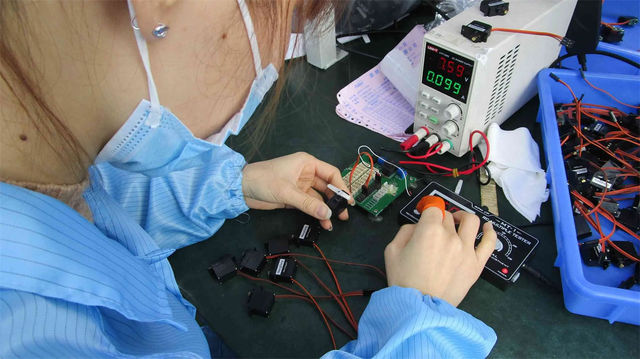
At Shenzhen DCI Autos Co., Ltd., quality management is integrated into every step of our manufacturing workflow. Every batch of raw components undergoes strict incoming quality control (IQC), and our automated production lines utilize advanced optical inspection (AOI) and in-circuit testing (ICT) to verify electrical integrity before final assembly. Furthermore, our products are engineered to comply with major global regulatory frameworks, including CE, UL, KC, and Japan's PSE mark requirements.
Our engineering support spans from initial prototype modeling to detailed functional safety validation (ISO 26262 ASIL standards). By establishing direct communication channels between our Shenzhen R&D center and engineering teams in Osaka, we ensure that integration issues, software adaptations, and validation protocols are resolved quickly and efficiently.
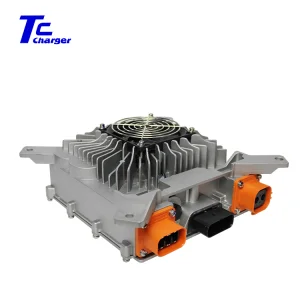
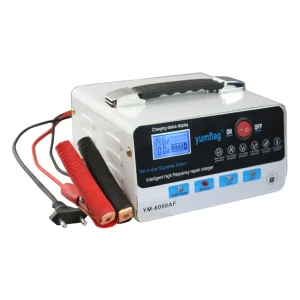
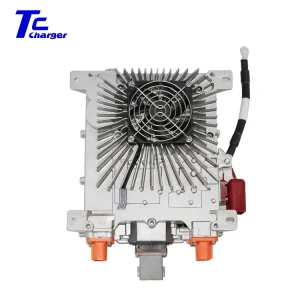
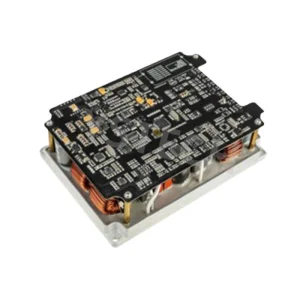
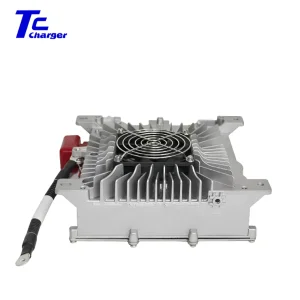
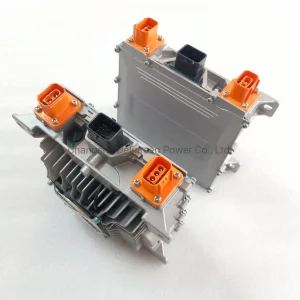
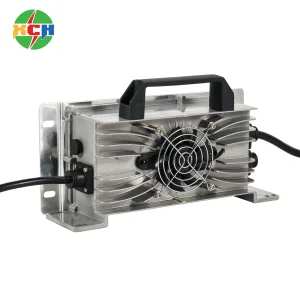
Explore our full line of automotive-grade power conversion products designed for diverse industrial, marine, and commercial EV configurations.
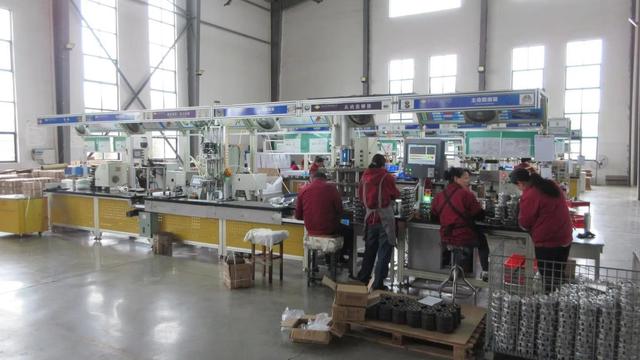
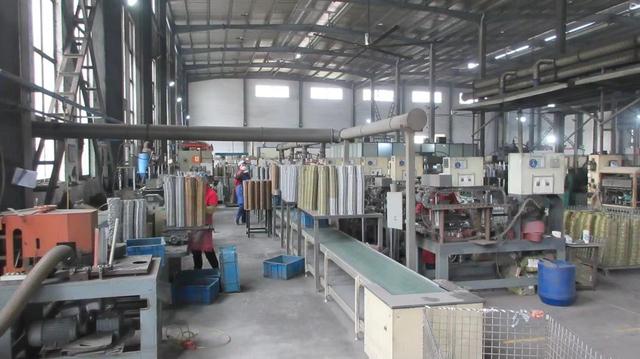
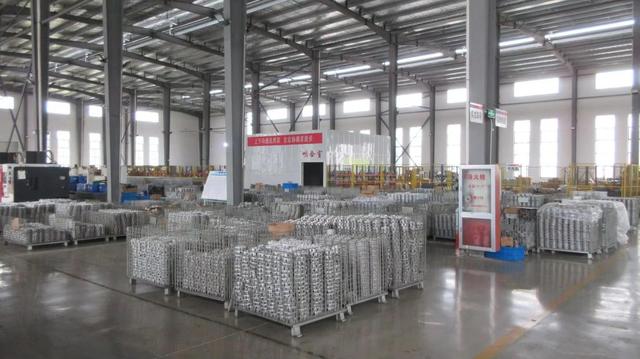
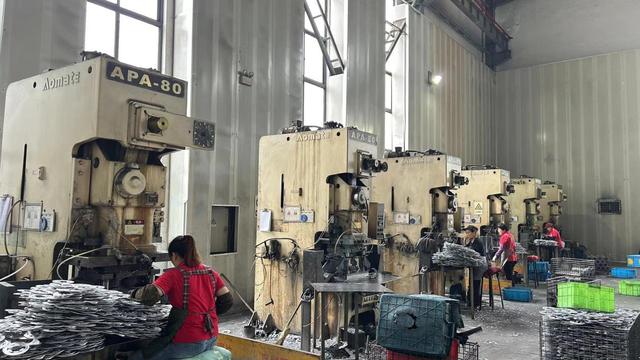
Take a look inside our 28,000 square meter facility, featuring automated production and testing environments.

Answers to critical questions asked by automotive engineers and procurement leads sourcing OBC systems for the Kansai region.
Get in touch with our technical sales team to request detailed specifications, compliance documentation, or customization possibilities for your fleet.
Send Inquiry Now DCI Autos