Pioneering cooling solutions engineered for optimal performance, durability, and safety across modern EV and automotive architectures.

An in-depth look at heat exchange design, volumetric efficiency, and structural safety requirements for next-generation electric mobility.
In the transition from internal combustion engine (ICE) designs to battery electric vehicles (BEVs), Thermal Management Systems (BTMS) have evolved from auxiliary cooling components into core powertrain safety structures. Unlike ICE vehicles, where thermal systems operate primarily to reject engine waste heat, electric vehicles require narrow-band temperature regulation to guarantee safety, optimize charging speed, prevent thermal runaway propagation (TRP), and preserve battery cell lifespan.
A battery cell operates optimally between 15°C and 35°C. At temperatures exceeding 50°C, electrochemical degradation accelerates, and the threat of catastrophic thermal events rises exponentially. Conversely, cold ambient temperatures trigger lithium plating during charging, severely restricting regenerative braking capacity and reducing overall vehicle range by up to 30%. Therefore, active, highly controllable double-sided cooling structures—such as snake-shaped heat-exchanging tubes, brazed liquid cold plates, and advanced proportional flow coolant valves—are critical components for high-voltage platforms (400V–800V+).
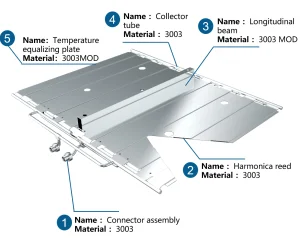
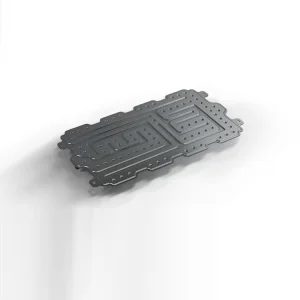
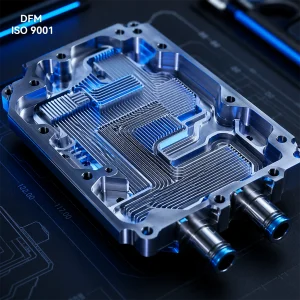
Manufactured utilizing high-purity aluminum alloys, vacuum brazing, and friction stir welding (FSW). Our cooling plates feature micro-channel profiles to minimize pressure drops while maximizing thermal uniformities across heavy cell loads.
Designed specifically for cylindrical battery cell applications (such as 21700 and 4680 formats). These multi-port extruded (MPE) tubes wrap precisely around cells, coupled with thermal interface materials (TIM) to achieve high-efficiency contact heat transfer.
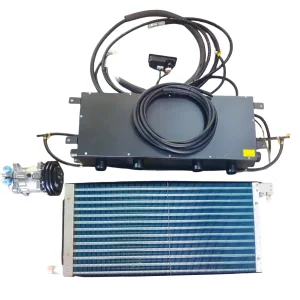
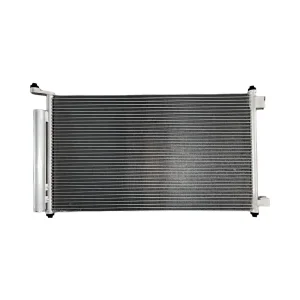
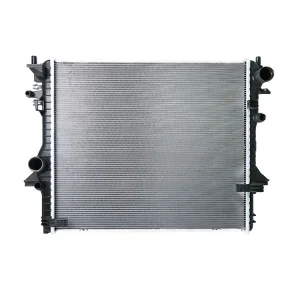
Utilizing complex high-density louvered fin configurations and micro-bore tubes to reject thermal energy in dual-loop configurations. Engineered to operate under critical pressures for heat-pump integrated cooling networks.
Preserving our structural core as an industry-leading OEM/ODM manufacturer of next-generation mobility components.
Shenzhen DCI Autos Co., Ltd. is a professional manufacturer specializing in electric vehicle components and advanced mobility technologies for the global automotive industry. Established in 2014, the company is headquartered in Shenzhen, Guangdong Province, a leading center for innovation in electric transportation and intelligent manufacturing. Operating from a modern production facility covering 28,000 square meters and supported by more than 300 employees, DCI Autos has developed comprehensive capabilities in engineering, manufacturing, testing, and international supply chain support.
The company focuses on the development and production of battery systems, power electronics, electric drivetrain components, battery management systems (BMS), charging system components, thermal management solutions, high-voltage electrical assemblies, and integrated EV powertrain technologies. Its products are designed to support passenger vehicles, commercial electric vehicles, light-duty transportation platforms, and emerging mobility applications.
DCI Autos combines advanced manufacturing technologies, automated production equipment, and rigorous quality control procedures to ensure product reliability, efficiency, and long-term operational performance. The company operates dedicated engineering laboratories and testing facilities where products undergo extensive validation, environmental testing, and performance verification throughout the development and manufacturing process.
To meet the evolving requirements of the electric mobility sector, DCI Autos provides flexible OEM and ODM services, including customized component development, private-label manufacturing, system integration support, and application-specific engineering solutions. Its research and development team continuously explores innovations in electrification, energy management, lightweight design, and intelligent vehicle systems.
Today, Shenzhen DCI Autos Co., Ltd. serves customers across North America, Europe, Southeast Asia, the Middle East, South America, and other international markets. Through continuous innovation, precision manufacturing, and customer-focused collaboration, the company remains committed to supporting the global transition toward sustainable transportation and next-generation electric mobility technologies.
Unpacking the raw material accessibility, industrial clusters, and precision prototyping advantages of Southern China's EV ecosystem.
The Pearl River Delta, specifically Shenzhen and neighboring industrial hubs, represents the world's most dense ecosystem for EV battery materials and advanced metal manufacturing. At DCI Autos, raw material procurement for automotive-grade aluminum (3003, 6061, 6063 alloys) is situated within a two-hour logistics radius. This eliminates upstream supply shocks and ensures reliable sourcing of high-performance cladding sheets and thin-walled extruded tubes.
EV cooling plates must be designed in tandem with rapid modifications to pack geometry. Unlike Western factories where tooling modifications can take up to 12 weeks, our engineering facilities utilize computerized numerical control (CNC) deep milling, automated fin assembly, and modern wire-EDM cutting to deliver customized, functional thermal mockups in under 15 days. This accelerates our clients' vehicle development cycles (APQP phase) considerably.
By blending high-speed automated robotic welding, helium-leak test stations, and computerized CNC machining centers, DCI Autos bridges the gap between high quality and high-capacity scalability. Our production conforms to IATF 16949 standards, which ensures that volume manufacturing retains zero-defect precision at automotive scale.
China's sophisticated manufacturing ecosystem offers major capital expenditures (CAPEX) advantages. Combined with optimized energy management and highly automated robotic assembly cells, we offer highly competitive pricing structures for high-end battery cooling products, making high-performance liquid cooling economically viable for budget passenger vehicles and utility fleets alike.
Key engineering shifts shaping the next generation of electric powertrains, fast chargers, and smart electronic circuits.
Moving to 800V architectures allows for ultra-fast charging (350kW+) but places extreme thermal stress on the battery pack. Achieving rapid heat rejection without creating localized hot spots requires thin-wall cooling channels and advanced Thermal Interface Materials (TIM).
Direct immersion cooling, where cells are immersed in dielectric fluids, is emerging as an alternative for high-performance vehicles. However, indirect liquid cooling using water-glycol mixtures flowing through aluminum micro-channel plates remains the industry standard for durability and cost-efficiency.
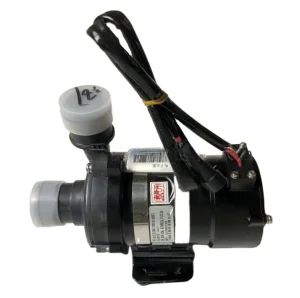
The integration of electronic water pumps, multi-way proportional valves, and expanders into a single smart thermal module reduces assembly complexity, minimizes plumbing joints to prevent coolant leakage, and reduces overall system weight.
Tailoring high-performance thermal configurations to specific automotive platforms, retrofits, and global fleet operations.
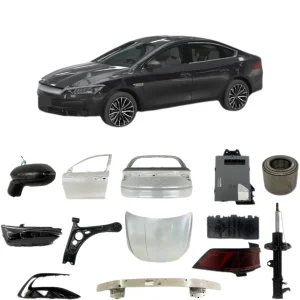
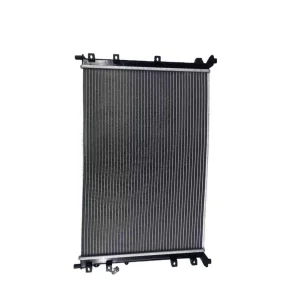
We design and supply OE-fit radiators, condensers, and battery cold plates for volume passenger vehicles (such as the BYD Qin Plus, Yuan Plus, and Tesla Model Y platforms). Our components align with OEM structural envelopes, pressure constraints, and flow rate specifications.
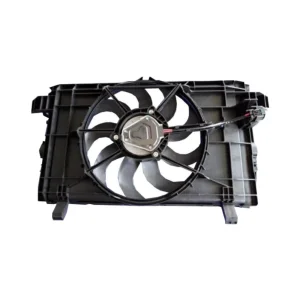
Electric buses and logistics fleets require continuous heavy-duty cooling solutions. DCI Autos produces specialized 24V electric water pumps, high-pressure coolant lines, and heavy-duty radiator systems capable of handling long operating cycles and demanding environmental conditions.
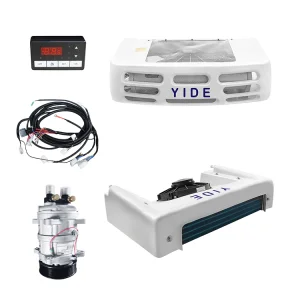
Our customizable 12V/24V electric radiators and parking coolers are designed for caravans, luxury motorhomes, and commercial truck cabins, providing quiet and efficient active climate control without requiring engine idling.
Meeting the strict quality assurance, delivery logistics, and customized design specifications required by international Tier-1 suppliers.
Enterprise procurement departments sourcing EV thermal parts face complex challenges, including supply chain volatility, compliance with automotive standards, and maintaining long-term dimensional tolerances. To address these demands, DCI Autos implements an end-to-end quality system that covers design validation, production, and shipping logistics.
We utilize Computational Fluid Dynamics (CFD) to model flow distributions and eliminate thermal bottlenecks. Finite Element Analysis (FEA) is also performed to verify structural integrity under vibrational loads and pressure cycling.
Our manufacturing lines are audited to satisfy global automotive quality standards. Every shipment is backed by PPAP (Production Part Approval Process) documentation, control plans, and materials certifications.
Water-glycol leaks can cause electrical shorts in high-voltage batteries. We perform helium mass spectrometer leak testing down to 10-6 mbar·l/s on 100% of our battery cooling plates before packaging.
We manage international shipping and logistics, supporting flexible incoterms (FOB, CIF, DDP, DAP) and providing robust packaging solutions designed to protect delicate aluminum plates during long-distance transit.
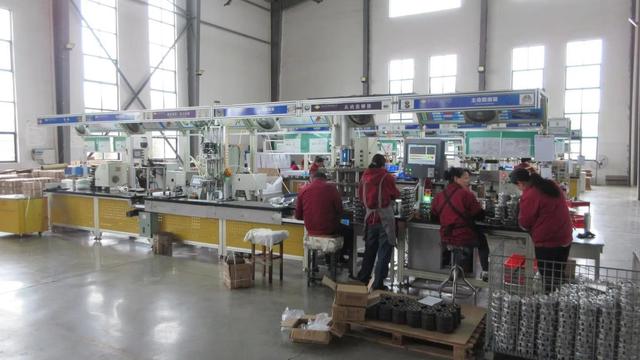
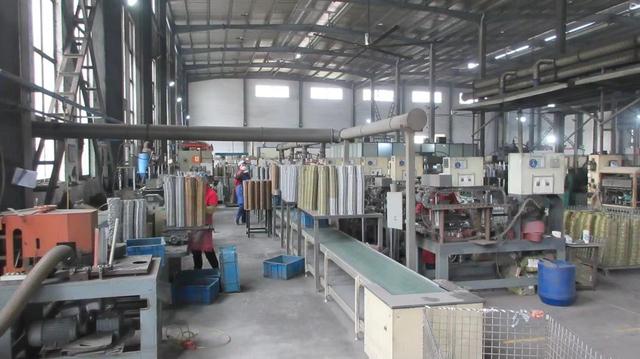
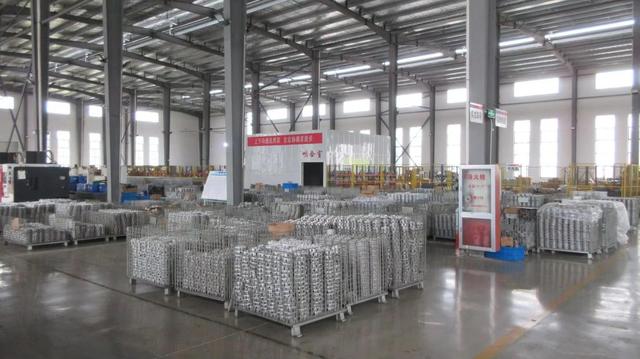
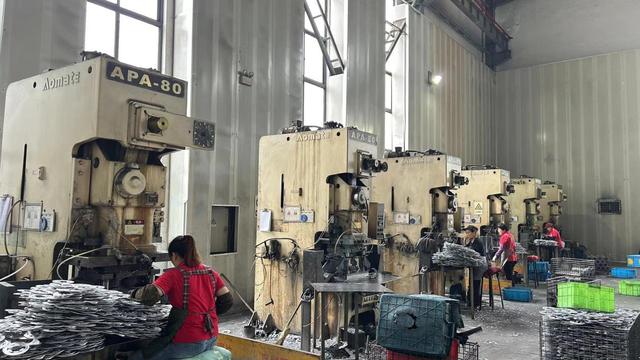
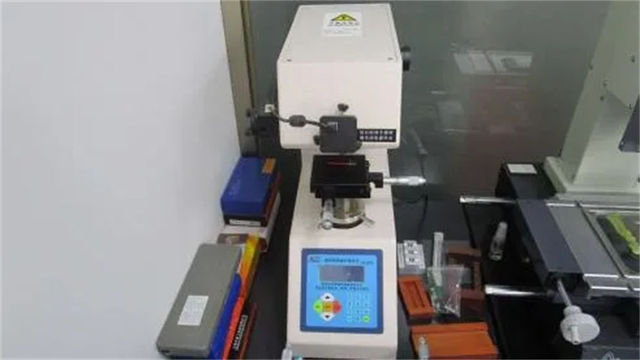
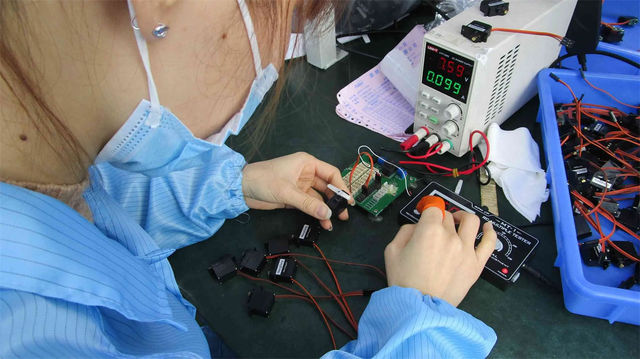
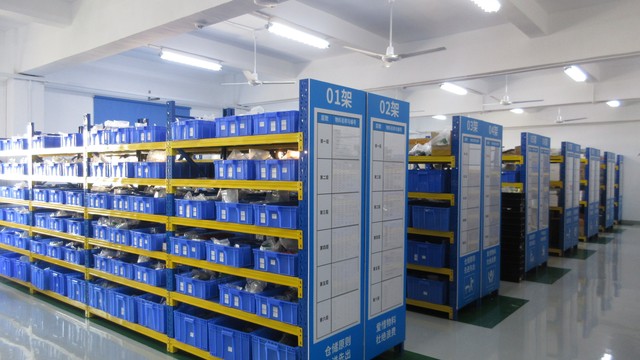
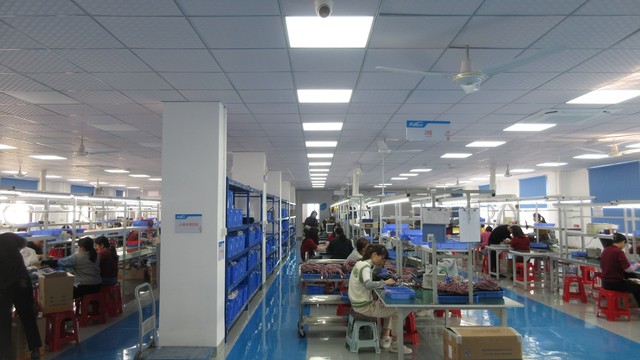
Inside DCI Autos' 28,000 square meter factory, showing our production lines, testing laboratories, and quality control departments.

Technical answers to common engineering and procurement inquiries regarding EV thermal management systems.
Aluminum 3003 is a manganese-alloyed material that offers excellent corrosion resistance, formability, and brazing characteristics, making it the industry standard for CAB (Controlled Atmosphere Brazing) liquid cooling plates. Aluminum 6061 is a structural silicon-magnesium alloy that provides higher tensile strength and yield point, making it suitable for CNC machined structural cold plates that also serve as structural components of the battery pack enclosure.
Galvanic corrosion is a common failure mode when aluminum cooling plates interface with copper tubes or brass fittings. We prevent this by applying specialized internal anti-corrosion chemical conversion coatings (such as chromate-free passivation layers) and using automotive-grade non-conductive plastic sleeves. We also recommend using coolants containing organic acid inhibitors (OAT) to protect internal metal surfaces.
Our prototypes undergo validation testing in our internal laboratories, including thermal cycling tests (from -40°C to +80°C), pressure impulse tests (up to 10 bars for 100,000+ cycles), burst pressure tests, coordinate measuring machine (CMM) dimensional checks, and helium mass spectrometer leak detection to ensure long-term structural integrity.
Yes. We manufacture customized multi-port extruded (MPE) snake tubes tailored for cylindrical cells (such as 18650, 21700, and 4680). These tubes are bent to tight tolerances to match the pack geometry and are wrapped with high-performance thermal insulation and double-sided thermal transfer adhesives to optimize thermal contact.
For standard customized components, initial 3D models and thermal simulations are completed within 5–7 working days. Tooling fabrication and functional prototype delivery require 15–20 days. Once the prototypes are approved through the PPAP process, mass production runs are typically completed within 30–45 days, depending on order volume and material specifications.
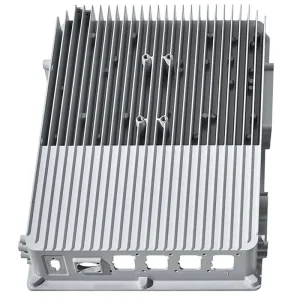
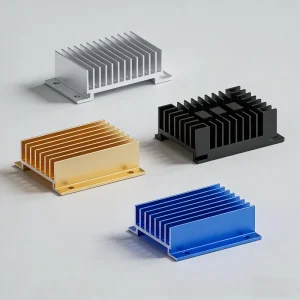
Custom assemblies, high-pressure lines, and specialized heat sinks designed for electric vehicle architectures.
 DCI Autos