Established in 2014, Shenzhen DCI Autos Co., Ltd. stands as a premier professional manufacturer specializing in electric vehicle components and advanced mobility technologies for the global automotive industry. Strategically headquartered in Shenzhen, Guangdong Province—the world's leading epicenter for new energy innovation and intelligent electronics manufacturing—DCI Autos drives the future of clean transportation.
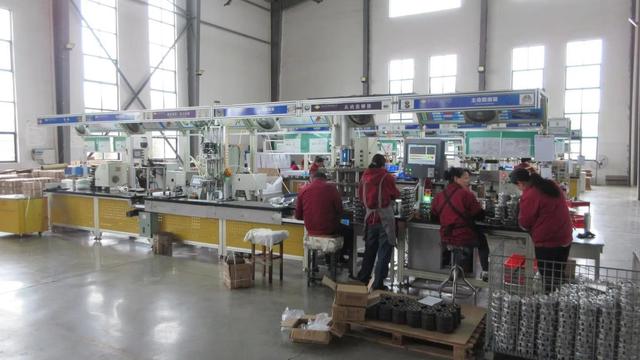
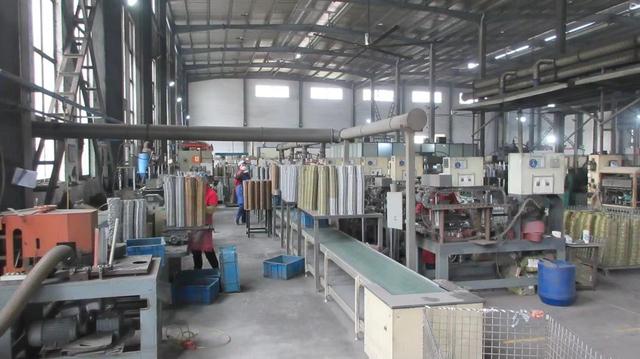
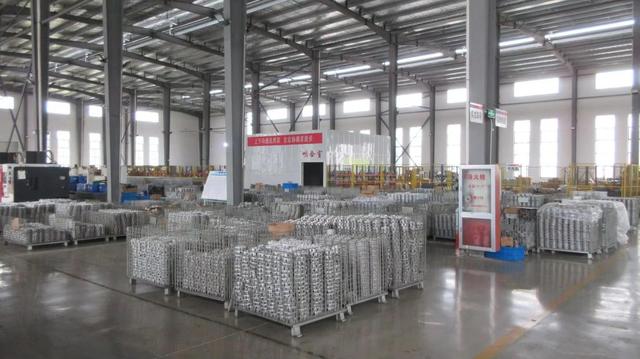
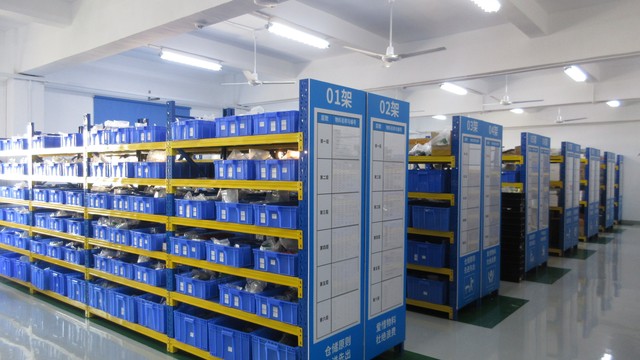
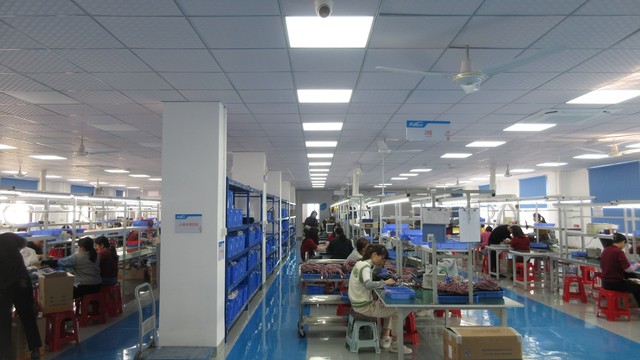
Operating out of a modern, state-of-the-art production facility spanning over 28,000 square meters and powered by a highly skilled workforce of more than 300 dedicated specialists, DCI Autos manages comprehensive operations across engineering, testing, manufacturing, and global supply chain logistics.
We focus extensively on developing high-performance battery systems, intelligent power electronics, integrated electric drivetrain systems, precision-engineered battery management systems (BMS), high-power charging system components, robust thermal management cooling setups, high-voltage electrical distribution units, and integrated EV powertrain assemblies. These hardware and software systems are tailored for global passenger vehicles, heavy-duty commercial trucks, urban electric transit systems, and light-duty commercial platforms.

Modern procurement teams are shifting away from sourcing individual components (e.g., sourcing motors, inverters, and reduction gearboxes from three distinct vendors). To mitigate assembly complexity, potential interface mismatch issues, and warranty dilution, there is a pronounced trend toward sourcing pre-engineered 3-in-1 e-drivetrains or integrated E-Axles. Integrating gearboxes, motors, and cooling circuits dramatically simplifies the OEM assembly line, lowering the vehicle bill of materials (BOM) and ensuring optimal mechanical matching.
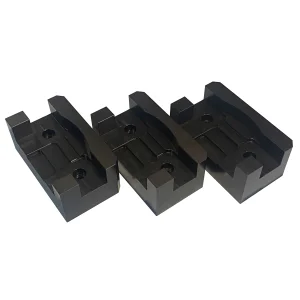
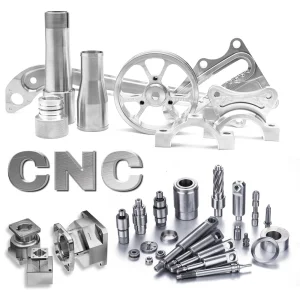
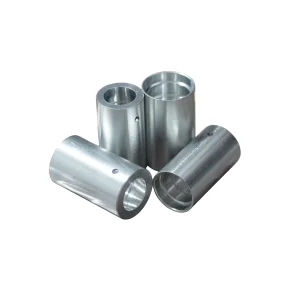
Industrial fleet buyers—such as logistics vehicle companies, golf cart manufacturers (e.g., Club Car DS Precedent components), and light-duty electric delivery truck manufacturers—face unique chassis spatial envelopes. Off-the-shelf components rarely align perfectly with proprietary suspension geometry or frame rails. Consequently, suppliers must offer responsive custom CNC machining (5-axis stainless steel bearing components, custom anodized aluminum casings, custom-pitch gear profiles) alongside robust ODM capabilities.
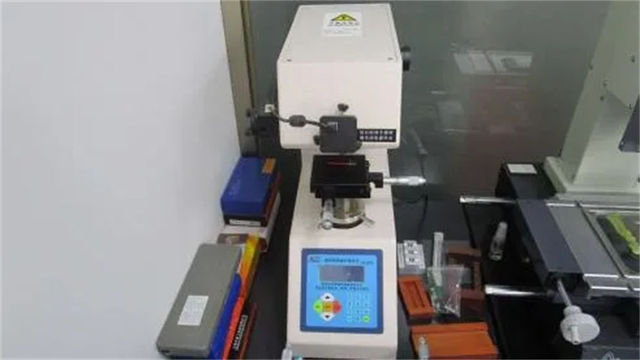
OEM procurement protocols require tier-1 and tier-2 manufacturers to be fully verified. Suppliers must possess IATF 16949 certification for automotive production processes, alongside ISO 9001 quality management and CE/RoHS environmental declarations for electronic subassemblies. Every single batch must support complete traceability back to the raw material melt, using automated Coordinate Measuring Machine (CMM) testing to guarantee micro-level structural integrity.
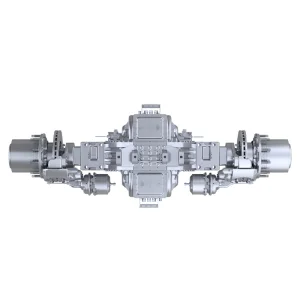
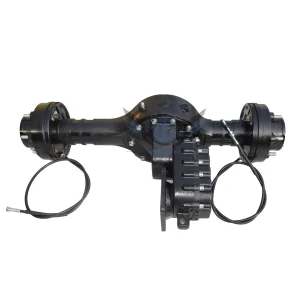
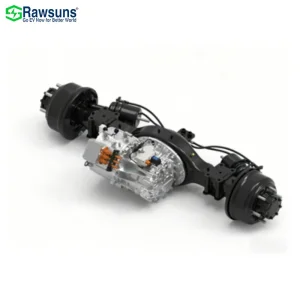
In urban last-mile logistics, vehicles undergo frequent start-stop cycles, requiring heavy torque output at low speeds and high durability under heavy payload variations. Solutions like the Brogen 110-120kw Drive Rear Axle PMSM Motor System provide the mechanical rigidity needed for 4.5T to 6T trucks. Integrated high-torque reduction gearboxes minimize energy losses, helping logistics companies optimize their electric fleet range.
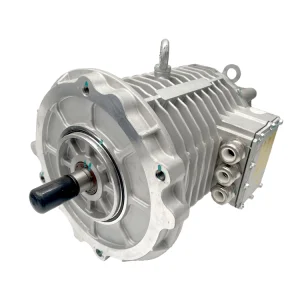
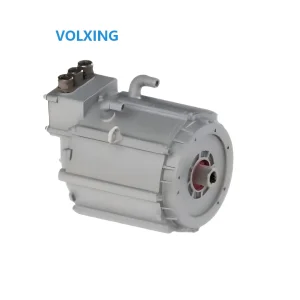
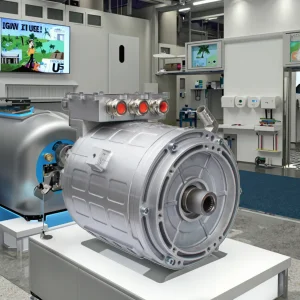
For large 10-18m public transport vehicles, mechanical reliability is critical. DCI Autos offers dynamic powertrain kits ranging from 100kW up to 240kW, featuring Permanent Magnet Synchronous Motors (PMSM) configured for 320V to 540VAC. These systems offer up to 400kW of peak power. High-efficiency thermal liquid-cooling jackets protect stators from thermal degradation during prolonged operation, reducing vehicle downtime.
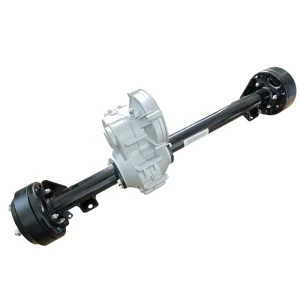
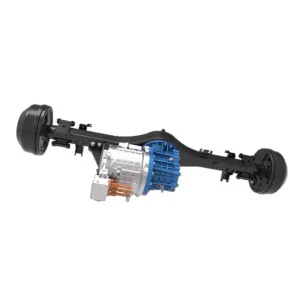
Off-road and neighborhood electric vehicles (NEVs), such as golf carts, resorts shuttles, and industrial tow tractors, need compact, cost-efficient, and highly reliable drivetrains. The Electric Rear Drive Axle Assembly for Club Car DS Precedent provides a drop-in replacement that matches original vehicle mechanical parameters. This allows fleet management companies to transition legacy vehicles to low-maintenance electric drivetrains without structural modifications.
| Component Series | Motor Topology / Type | Voltage Range (V) | Peak Power (kW) | Key Engineering Characteristics | Primary Industrial Application |
|---|---|---|---|---|---|
| Brogen PMSM Series | Permanent Magnet Synchronous | 320V - 540V AC | 100kW - 240kW | High torque density, Liquid-cooled IP67 | 10-18m Electric City Buses & Logistics Trucks |
| Shinegle Drive Kit | AC Induction / PMSM | 72V - 144V DC | 15kW - 30kW | Integrated gearbox & controller assembly | Light Utility Vehicles, NEVs & Retrofits |
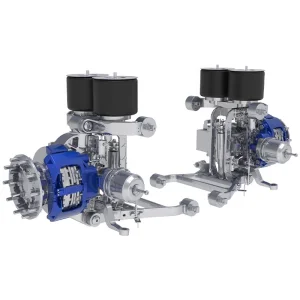
| READ10000 E-Axle | Integrated PMSM Rear E-Axle | 350V - 540V AC | 100kW - 200kW | 10T/12T High torque axle configuration | Medium & Heavy Duty Logistic Freight Trucks |
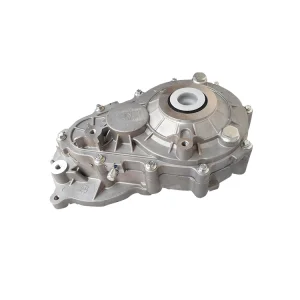
| EV Reducer Gears | Helical / Planetary Gear Sets | N/A | Up to 150kW | High-tolerance 5-axis CNC machined steel | Hongqi E-HS3, Passenger Car Gearboxes |
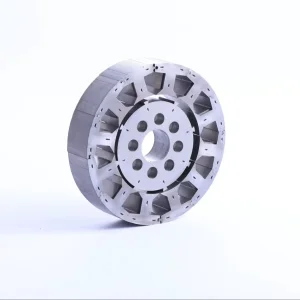
| Motor Core Laminations | Silicon Steel Lamination Stacks | N/A | Variable | Ultra-thin 0.2mm/0.35mm sheets, low core loss | Brushless DC Motors & Traction Motors |
To enable faster charging and reduce vehicle weight, the industry is moving from 400V systems toward 800V electrical architectures. Sourcing components designed to handle higher insulation requirements, such as our advanced stator core lamination lines, helps minimize corona discharge issues and prevents early winding failure under high voltage.
Traditional silicon IGBT inverters are being replaced by Silicon Carbide (SiC) MOSFET designs. SiC technology enables higher switching frequencies, reducing energy losses in the inverter by up to 70%. This improves overall drivetrain efficiency, allowing vehicle engineers to either extend range or reduce the size and cost of the vehicle's battery pack.
Replacing traditional round-wire stator windings with flat copper hairpin designs increases the slot fill factor from roughly 45% to over 70%. This improvement increases the motor's power and torque density while providing a more direct path for thermal dissipation, keeping operating temperatures lower.
As electric motors operate at higher speeds, direct stator oil-cooling is replacing traditional water jackets. Spraying dielectric cooling oil directly onto the stator end turns removes heat more efficiently at its source. This allows motors to sustain peak power outputs for longer intervals without thermal throttling.
DCI Autos serves key automotive hubs across North America, Europe, Southeast Asia, South America, and the Middle East. Operating globally requires navigating regional import tariffs, logistical challenges, and local technical standards.
To support international buyers, we provide detailed product documentation, design files in universal formats (e.g., STEP, IGES), and complete material validation certifications. DCI Autos uses sea-freight and air-freight packaging methods, including specialized anti-rust vacuum packaging for machined metal surfaces, to protect precision parts during long-distance shipping.
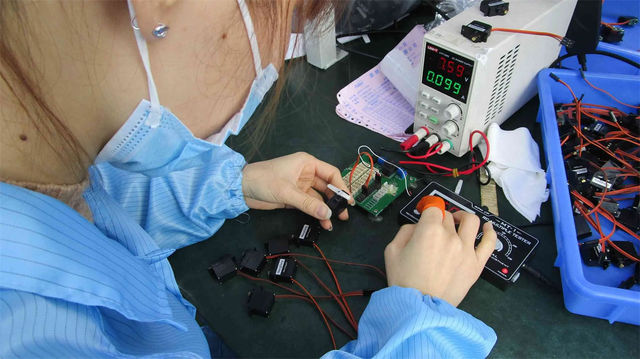
Before components reach the assembly line, they undergo validation in our in-house testing labs. This includes testing for electromagnetic compatibility (EMC) in high-voltage controllers, checking salt-spray resistance on aluminum housings, and conducting mechanical fatigue tests on reduction gears. We certify our electronic components to CE, RoHS, and REACH standards to ensure smooth regulatory clearance in North American and European markets.
PMSMs feature high power and torque density because their magnetic field is generated by rare-earth magnets on the rotor, eliminating rotor copper losses. This results in peak efficiencies often exceeding 97%, compared to AC Induction Motors which generally peak around 90-92%. PMSMs also offer more compact dimensions, making them well-suited for passenger car packaging and wheel-side E-Axle integrations where space is limited. However, AC Induction Motors remain a viable choice for applications where cost reduction is prioritized over peak efficiency, or where free-wheeling efficiency without drag is required.
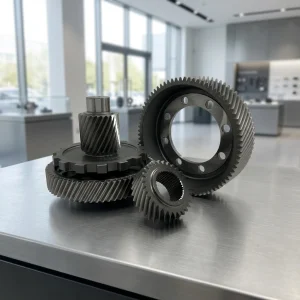
Noise, Vibration, and Harshness (NVH) mitigation is key for quiet EV operations. Our high-efficiency reducer gear kits undergo high-precision 5-axis CNC machining, followed by helical grinding to achieve ISO class 5/6 precision. Tooth profile modifications are applied to compensate for micro-deflections under load. This process improves surface contact area, reducing operational noise and extending gear life under high input shaft speeds.
Yes, our design and engineering team provides full customization services. By modifying the hub-to-hub width, axle shaft spline count, mounting bracket placement, and input gear ratio, we can match legacy models like the Club Car DS Precedent. This allows commercial operators and utility fleets to electrify existing equipment without rebuilding their vehicle chassis.
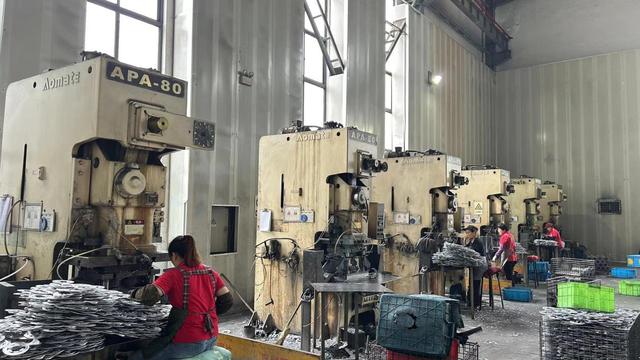
We source high-grade, cold-rolled non-oriented silicon steel sheets (typically 0.20mm to 0.35mm thick, such as 20NO1200 or 35NO290 grades) to minimize hysteresis and eddy current losses in our motor cores. The laminations are stamped using high-speed progressive dies and insulated with heat-resistant coatings before being stacked and bonded, ensuring consistent electromagnetic performance at high frequencies.
 DCI Autos