Deploying specialized thermal, physical, and electronic components essential for stable grid resilience and reliable energy transformation.
Shenzhen DCI Autos Co., Ltd. is an industry-leading manufacturer specializing in electric vehicle components, advanced energy storage integration mechanisms, and high-performance mobility technologies. Established in 2014 and rooted in Shenzhen, Guangdong Province—the epicenter of global clean energy innovation and advanced electronics supply chains—we have systematically expanded our operations to address the critical grid-scale energy integration bottleneck.
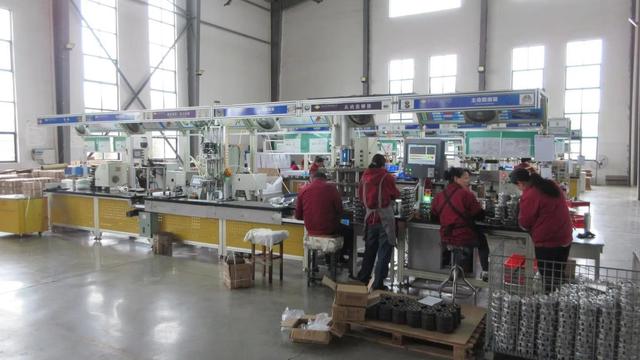
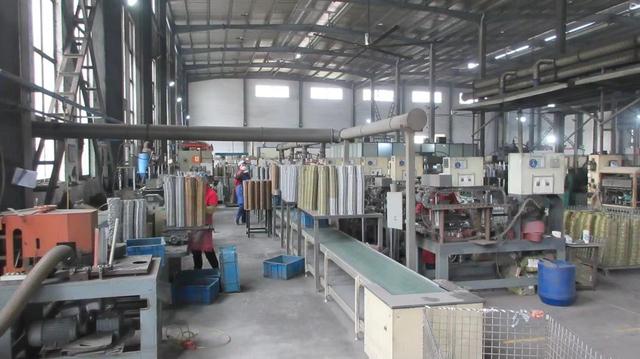
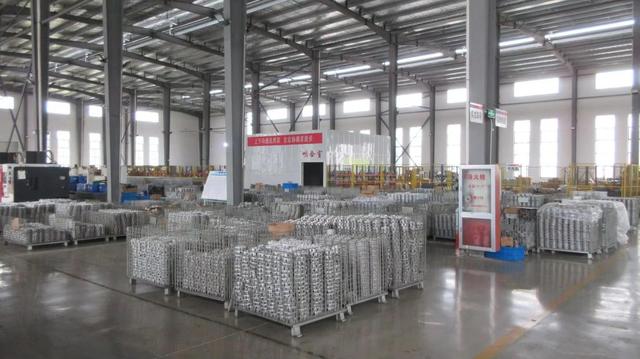
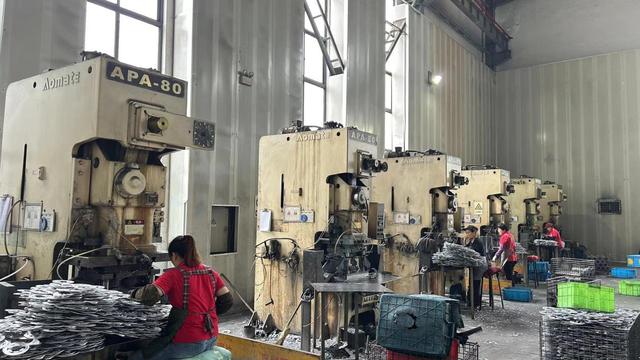
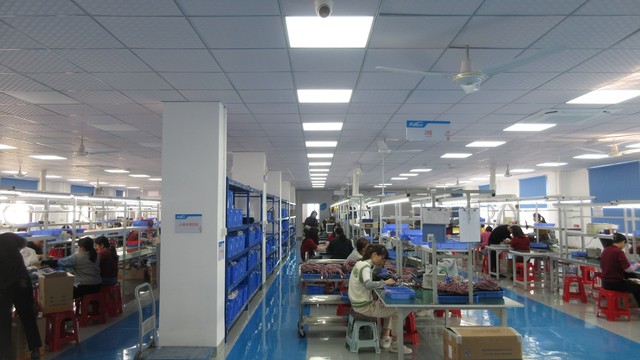
Spanning a modern 28,000 square meter manufacturing plant and operated by over 300 highly specialized technicians and engineers, our corporate infrastructure integrates custom CAD/CAM development, precise tooling, automated laser bending and welding, surface finish applications, and complete high-voltage component validation. Initially established to supply high-reliability automotive architectures, our engineering team has successfully applied IATF 16949 standards to the design and mass production of Battery Energy Storage Systems (BESS) component integrations.
We pride ourselves on providing flexible, highly optimized OEM and ODM services that cover custom battery enclosures, liquid cooling components, high-density supercapacitor assemblies, and advanced semiconductor modules. This comprehensive capability allows us to satisfy rigorous engineering tolerances and dynamic system parameters demanded by Tier-1 energy storage system integrators worldwide.
Bridging the gap between raw capacity and grid utility through advanced physical and electronic component integration.
The global transition to decentralized renewable energy is accelerating exponentially. This shift places unprecedented physical and thermal stress on battery modules, power conditioning systems (PCS), and structural enclosures. Utility-scale battery energy storage systems (BESS) are scaling from kilowatt-hour configurations to multi-megawatt-hour installations. Consequently, the industry is shifting away from generic off-the-shelf components toward purpose-built integration hardware that can survive decades in harsh outdoor environments.
Whether optimizing microgrid stability in islanded environments, protecting critical infrastructure in data centers, or managing heavy-duty load shifting in industrial sectors, integration hardware serves as the primary safeguard for energy containment. As a trusted partner to EPC (Engineering, Procurement, and Construction) companies and BESS suppliers across North America, Europe, the Middle East, and Asia, DCI Autos develops products that minimize internal resistance, maximize thermal transfer efficiency, and ensure robust galvanic isolation.
Up to 85% of early-stage BESS failures originate from thermal imbalances, faulty sensor authentication, or physical stress on containment welds. Precision component engineering acts as the critical barrier preventing cell-level failures from cascading into catastrophic system thermal runaways.
Customizing physical and electronic structures to meet regional grid codes, environmental constraints, and operational demands.
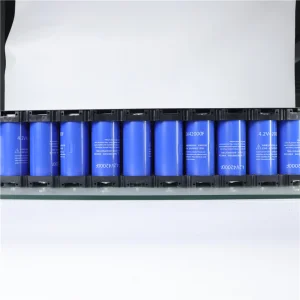
Large-scale wind and solar farms face extreme peak output volatility. Our high-capacity 1050f supercapacitors and heavy-duty structural weldments assist in immediate frequency regulation, smoothing voltage spikes prior to grid transmission. Their high power density allows seamless transition during sudden meteorological changes.
Factories require rapid energy deployment to offset peak demand surcharges. Liquid-cooled battery racks integrated with DCI’s copper spatula heat sinks maintain ideal cell temperatures, allowing industrial consumers to load-shift heavy machinery operation to low-tariff hours without risking battery lifespan reduction.
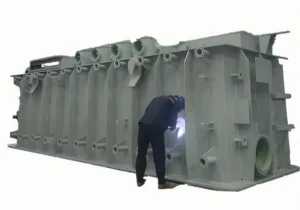
In remote mining operations or isolated island systems, humidity, salt mist, and extreme heat threaten infrastructure. DCI’s sand-cast structural components and corrosion-resistant laser-welded enclosures protect vital control systems, preventing chemical corrosion and structural breakdown over long-term operations.
Whether deployed in high-salinity coastal environments or sub-zero high-altitude regions, custom-built integration elements must be engineered to mitigate material expansion, condensation, and corrosion. DCI Autos incorporates specific material sciences (such as hard-anodized copper alloys, high-tensile steel, and sand-cast structural finishes) to prevent galvanic degradation and structural fatigue.
An in-depth analysis of DCI Autos' technology development plan targeting maximum system round-trip efficiency (RTE).
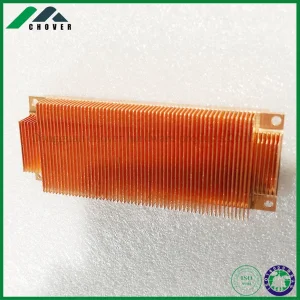
As energy density in LFP (Lithium Iron Phosphate) and NMC (Nickel Manganese Cobalt) cells rises, traditional air cooling is no longer sufficient. Our proprietary Copper Spatula Heat Sink represents a massive leap in heat dissipation technology. Unlike standard aluminum cold plates, copper features a thermal conductivity rating ~80% higher. This difference ensures rapid absorption and dissipation of localized heat spikes during high-C-rate charging cycles.
By minimizing internal cell temperature variance to less than 2°C across the pack, our liquid cooling systems prevent localized degradation and dramatically reduce the risk of thermal runaway propagation. This thermal stability enables safer, more compact battery architectures.
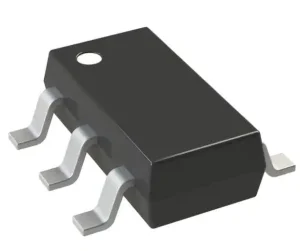
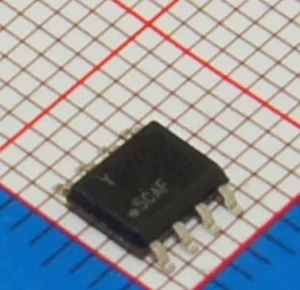
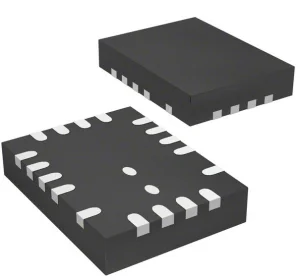
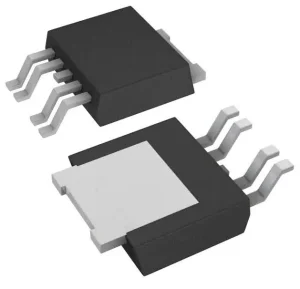
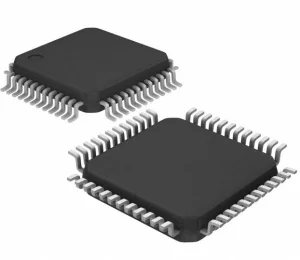
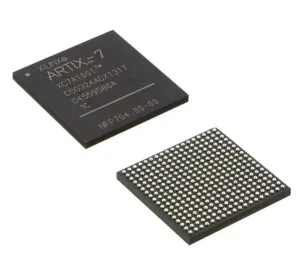
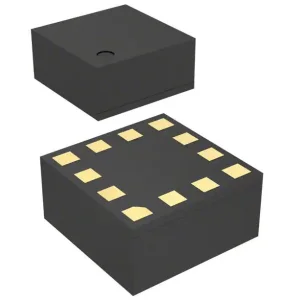
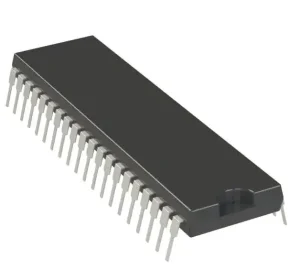
DCI Autos integrates premium semiconductors (including LTC6992 oscillators, LTC4020 buck-boost controllers, and ADA4077 op-amps) into critical Battery Management Systems (BMS) and Power Distribution Units (PDUs). To protect systems from hardware tampering and intellectual property piracy, we embed advanced authentication ICs like the ATSHA204A. This chip ensures only validated, authorized battery modules can interface with the main inverter/PCS, protecting utility infrastructure from cyber-physical exploits.
| Integration Component | Technical Functionality | Material / Chip Architecture | System Benefit |
|---|---|---|---|
| Copper Spatula Heat Sink | Direct cell-to-plate thermal management | Ultra-pure Copper (Cu) alloy | Reduces thermal resistance, prevents thermal runaway propagation. |
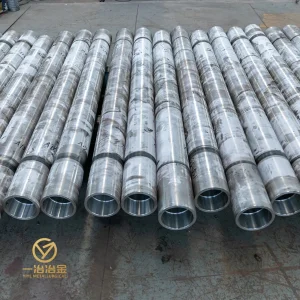
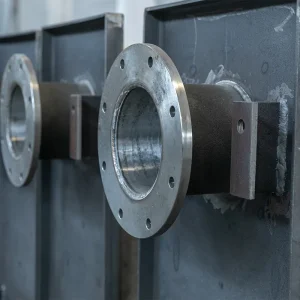
| Laser Welded Tank Enclosures | Structural oil/fluid containment & physical protection | High-tensile steel / laser-bent alloy | IP67 rating, vibration isolation, guarantees zero fluid leakage. |
| Active Balancing Circuitry | Dynamically balance charge/discharge voltage across cells | LTC4020, LT3748, LTC6992 controllers | Extends battery pack life by up to 25%, ensures high RTE. |
| ATSHA204A Security Module | Hardware authentication & data verification | Secure cryptographic processor | Blocks third-party unauthorized cell/module spoofing. |
| 1050f Super Capacitor | Rapid energy buffer & transient stabilization | Activated carbon double-layer | Smoothes high-frequency voltage fluctuations during grid-connection. |
Why our strategic production base in Shenzhen, Guangdong enables unparalleled manufacturing speed, quality control, and export efficiency.
Shenzhen is the epicenter of the global electronic component and electric vehicle supply chains. Our factory draws raw steel, copper, specialized IC chips, and advanced surface coating chemistries from sources within a 100km radius. This proximity reduces lead times and lowers logistics costs.
Leveraging automated CNC bending machines, high-precision robotic laser welders, and in-line visual Inspection systems, we minimize human error. This automation ensures that each batch of custom steel and copper assemblies meets strict geometric tolerances.
We verify every design phase in-house. Our testing centers conduct vibration testing, thermal shock trials, salt-mist environmental degradation tests, and high-voltage insulation checks. This validation ensures that components arrive ready for integration.
Following the strict principles of E-E-A-T (Experience, Expertise, Authoritativeness, Trustworthiness), DCI Autos has structured its quality control system according to IATF 16949 standards. Unlike standard manufacturing plants that rely on visual checks alone, we use ultrasonic weld scanning, x-ray metal structure inspections, and automated thermal imaging.
This attention to detail ensures that integrated battery brackets, electronic controls, and fluid circuits can handle the structural stresses of overseas transport and decades of thermal expansion cycles in field applications.
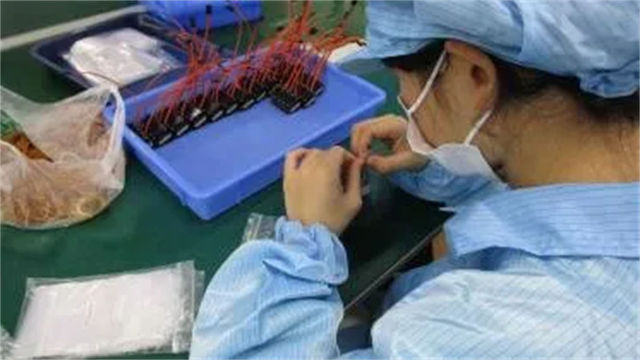
Take a step inside DCI Autos' advanced 28,000 m² factory floor and state-of-the-art testing centers.
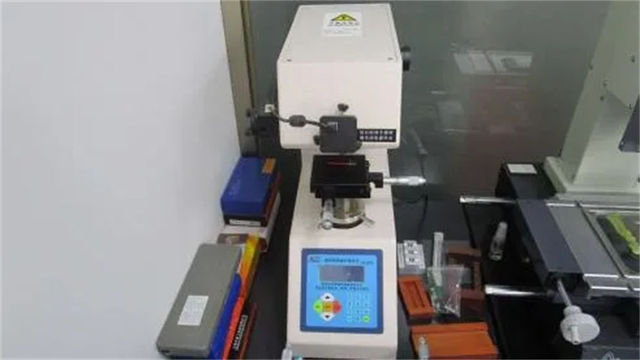
Advanced R&D Component Lab
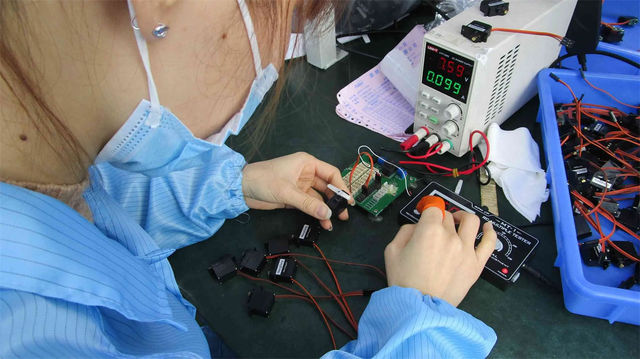
High-precision Machining
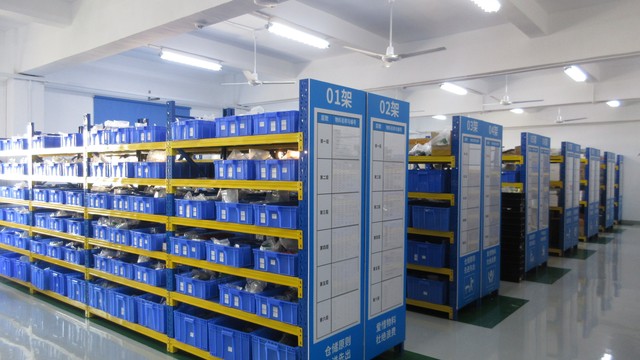
System Validation Center
Global Logistics Center
Utility-scale grid integrations must comply with regional regulatory standards. In the European and North American markets, components face strict safety audits, including UL 9540 (for energy storage systems) and IEC 62933 (standard for electrical energy storage systems). DCI Autos works closely with international safety agencies, verifying all structural parts, electrical connections, and active protection circuits to meet these compliance guidelines.
We back our global supply chain with local technical support and application engineering teams. This system enables rapid design revisions, helps troubleshoot field issues, and ensures the proper integration of BMS electronics and active thermal control plates.
UL 9540, UL 9540A (thermal runaway propagation test), UL 1973 (batteries for use in stationary applications), IEC 62619, CE, and RoHS compliance.
Answers to key engineering, integration, and procurement questions from project designers.
Copper features a thermal conductivity of approximately 390-400 W/m·K, compared to roughly 200 W/m·K for standard aluminum alloys. The higher thermal transfer rate of our copper spatula heat sinks allows rapid heat absorption from dense cell surfaces. This performance minimizes temperature gradients across the module, preventing localized thermal imbalances that speed up battery degradation and trigger thermal runaway.
We offer end-to-end design and manufacturing support. Our engineers work directly from customer CAD models to construct custom laser-bent and welded metal structures. We use automated laser cutter setups and robotic welding lines to ensure tight tolerances. Additionally, we provide custom surface treatments like powder coating, sand-cast textures, and anodizing to meet specific environmental requirements.
The ATSHA204A is a secure cryptographic authentication chip. In modern multi-module battery systems, it acts as a digital key that verifies the origin and safety settings of each battery module. This authentication prevents third-party, unverified modules from connecting to the system, protecting the power installation from hardware spoofing and security risks.
Supercapacitors provide rapid, short-term energy storage. Unlike standard chemical batteries, which degrade quickly under high frequency cycle loads, a 1050f supercapacitor handles millions of rapid charge/discharge cycles. This durability makes them ideal for smoothing sub-second voltage variations and maintaining grid frequency stability when wind and solar outputs fluctuate.
Based in Shenzhen, we source components from a well-established regional supply network. We maintain strategic reserves of critical IC chips, microcontrollers, and raw copper and steel. This inventory buffer helps protect project timelines from international shipping delays and global semiconductor supply shortages.
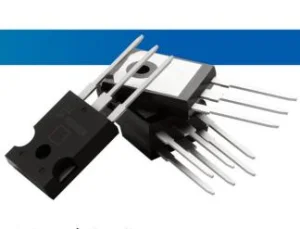
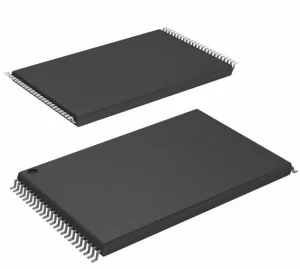
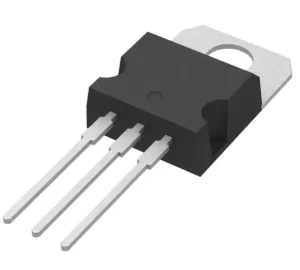
High-reliability IC configurations, structural components, and high-frequency active filters designed for energy systems.
 DCI Autos