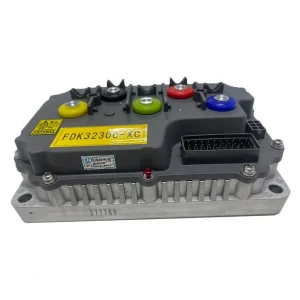
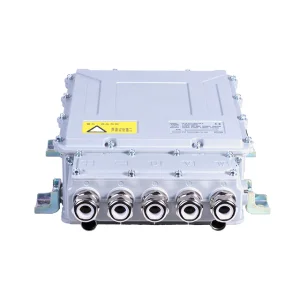
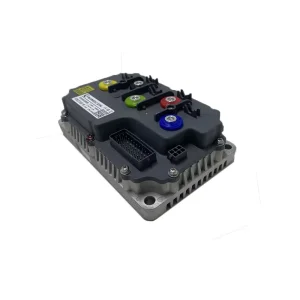
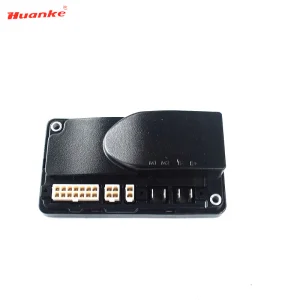
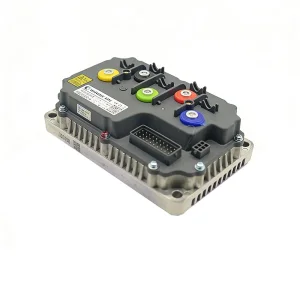
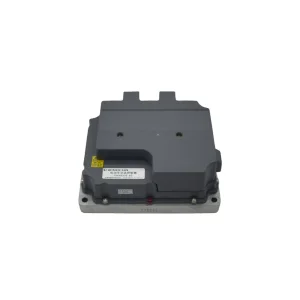
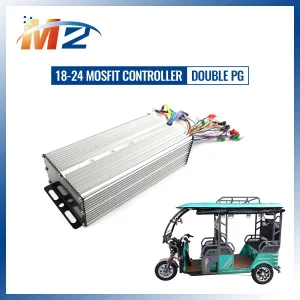
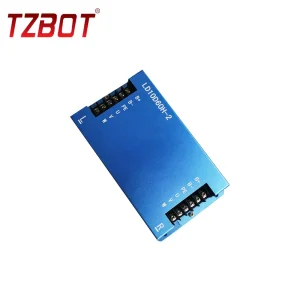
Discover our high-reliability product selection engineered for immediate deployment across Bangkok's commercial logistics, municipal transport, and automation infrastructure.
Bangkok is undergoing a massive transformation under Thailand’s Eastern Economic Corridor (EEC) initiatives and the ambitious "30@30" EV policy, which aims to have electric vehicles account for at least 30% of total automotive production by 2030. As the primary economic engine of Thailand, the Bangkok Metropolitan Region is transitioning away from traditional Internal Combustion Engines (ICE) and legacy motor designs to advanced, highly integrated power systems.
In this tropical, rapid-growth environment, motor controllers play an indispensable role. Municipal transit fleets, commercial delivery logistics, and the thousands of iconic local electric tuk-tuks require highly resilient motor control units to withstand Bangkok’s high temperatures, heavy seasonal rainfall, and stop-and-go urban traffic patterns.
For industrial enterprises situated in industrial estates around Samut Prakan, Pathum Thani, and Chonburi, motor controllers are the core building blocks for conveyor systems, automated guided vehicles (AGVs), cold storage logistics facilities, and large-scale water treatment systems. High efficiency, high thermal limits, and strong ingress protection (IP ratings) are no longer optional—they are mandatory.
Tropical Climate Operations: High ambient temperatures combined with humidity require motor controllers to run cool with high efficiency.
EEC Infrastructure Policy: Direct incentives for manufacturers upgrading manufacturing pipelines to Industry 4.0 automation paradigms.
Electric Mobility Demand: Heavy investments in electric material handling equipment, delivery vans, and e-rickshaws.
We combine international design standards with the cost-efficiency of advanced Chinese electronics manufacturing to serve heavy industrial operations globally and locally in Bangkok.
On a global scale, the industrial and vehicle electrification landscape is moving rapidly toward permanent magnet synchronous motors (PMSM) and advanced brushless DC (BLDC) motor technologies. This paradigm shift is being driven by stringent global decarbonization mandates, rising energy costs, and the ongoing transition from manual labor to automated operations.
Modern motor controllers are no longer simple speed regulators; they are intelligent, field-programmable power management centers. Using Field-Oriented Control (FOC) algorithms, high-frequency Pulse Width Modulation (PWM), and integrated CAN-bus communication protocols, modern controllers coordinate real-time torque, speed, and safety parameters. This allows for massive energy regeneration, extending battery range for electric transport and cutting down electricity expenditures in heavy-duty manufacturing environments.
In Europe and North America, strict functional safety regulations (such as ISO 26262 and SIL certifications) govern the deployment of motor control devices. As a key global exporter serving Bangkok and international sectors alike, Shenzhen DCI Autos ensures that its custom components conform to international quality baselines, bridging the gap between rigorous safety certifications and rapid development cycles.
The unique value proposition of sourcing motor controllers from high-tech manufacturing corridors like Shenzhen lies in the unmatched integration of the supply chain. Chinese factories benefit from close proximity to component suppliers, specialized semiconductor packaging plants, high-precision automated SMT (Surface Mount Technology) assembly lines, and specialized quality validation centers.
At Shenzhen DCI Autos, this structural advantage allows us to achieve rapid prototyping cycles, rigorous environmental testing, and highly competitive unit costs without compromising on raw component quality. Our engineering teams leverage high-efficiency sourcing networks to secure durable capacitors, automotive-grade MOSFETs, and premium thermal dissipation modules that can withstand Bangkok's humid and hot climate conditions.
Furthermore, our streamlined production methods allow us to execute customized OEM and ODM orders quickly. While localized Western suppliers often require 6 to 9 months for customized engineering designs, our specialized development pipeline reduces this timeline significantly, delivering tailored prototypes to Bangkok port logistics and local factories in weeks.
These specialized motor drivers and inverters are engineered for challenging operating environments, offering robust waterproofing, heat dissipation, and precise software configurations.
Industrial applications in the Bangkok Metropolitan Region demand robust design characteristics tailored to local structural needs. Here are the core implementation areas of our motor control technology:
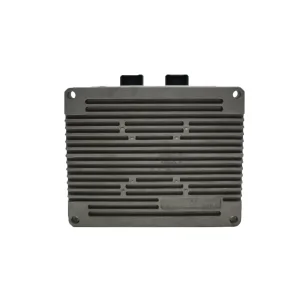
Electric tricycles and e-tuktuks represent the front line of Bangkok's localized urban mobility. Our PMSM synchronous rotary controllers are configured specifically for high-torque startups on inclined urban pathways and during floods, offering excellent thermal efficiency and IP67-rated waterproof protection against heavy monsoon seasons.
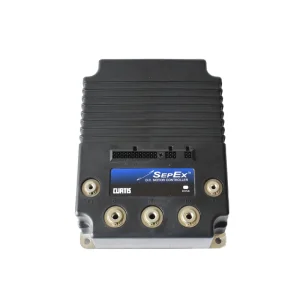
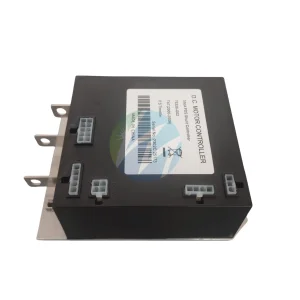
In the vast warehouse depots surrounding Bangkok's international shipping hubs, electric forklifts, pallet trucks, and AGVs operate continuously. Our Sepex and permanent magnet DC controllers allow smooth, responsive throttle response, reliable regenerative braking to maximize battery lifespan, and precise low-speed torque management to safeguard payload stability.
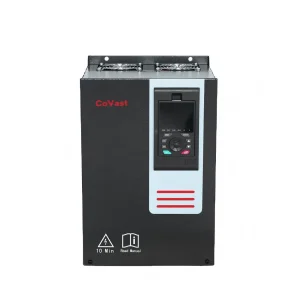
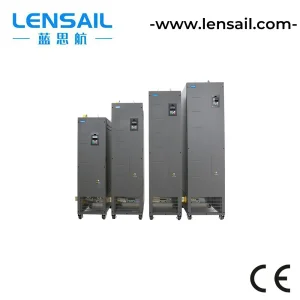
In the agricultural processing zones and drainage basins in central Thailand, 3-phase VFD frequency converters drive heavy-duty irrigation pumps. By adjusting motor output dynamically to water pressure demands, these motor controllers yield up to 40% energy savings compared to direct-on-line starters, significantly reducing overhead costs.
As the international community pushes for greater efficiency, several key technological developments are defining the future generation of motor controllers. Understanding these shifts is vital for Bangkok companies seeking to future-proof their supply chains and technological infrastructure:
Silicon Carbide (SiC) and Gallium Nitride (GaN) power transistors are steadily replacing standard silicon MOSFETs. Because they can operate at higher frequencies, voltages, and thermal thresholds, they reduce the footprint of the controller housing while boosting overall electrical conversion efficiency to over 98%. This reduces heat generation, which is a major point of failure in high-humidity climates like Thailand.
Modern motor controllers are being outfitted with sensor arrays and communications chips that constantly broadcast current load, voltage spikes, thermal profiles, and vibration patterns. By analyzing this telemetry data, industrial operators can predict failures before they happen, avoiding costly down-time in automated assembly lines and shipping operations.
In electric vehicles and hoisting cranes, deceleration produces kinetic energy. Modern controllers harvest this energy, redirecting it back to the battery pack instead of dispersing it as heat. This capability significantly extends operational cycles per charge, reducing operational downtime and lowering utility demands in logistics centers.
Global procurement teams looking for motor controllers must prioritize technical documentation, component tracing, and verified QA standards. Working with Shenzhen DCI Autos simplifies these integration challenges. We provide complete design files, electrical schematic diagrams, and protocol libraries (such as CANOpen and Modbus) to help clients integrate our control hardware smoothly with their existing vehicle chassis or industrial automation layouts.
Furthermore, our flexible OEM/ODM manufacturing capability ensures that specific housing form factors, customized heat sink structures, specialized wiring looms, and distinct programming parameters can be configured to meet the exact technical requirements of the Bangkok market.
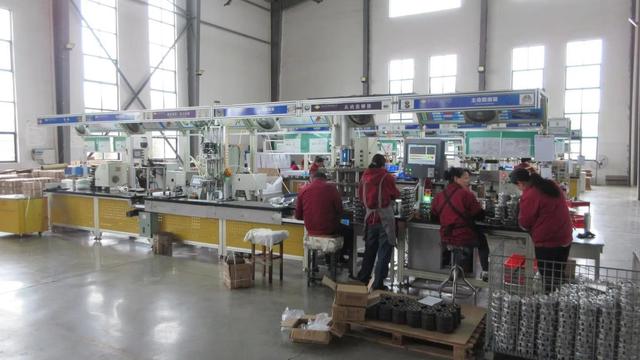
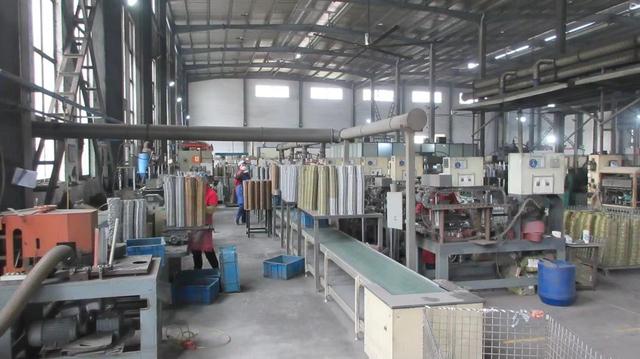
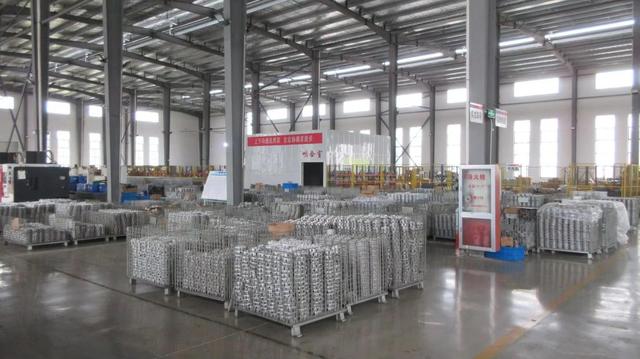
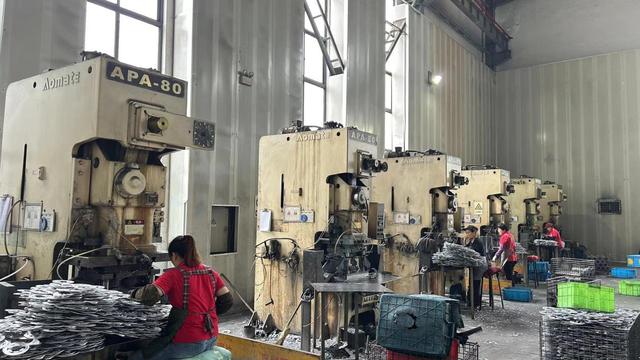
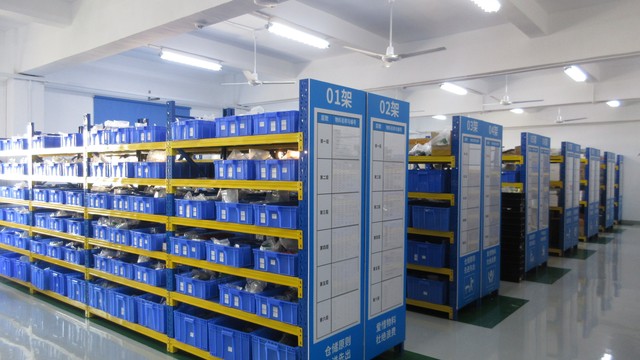
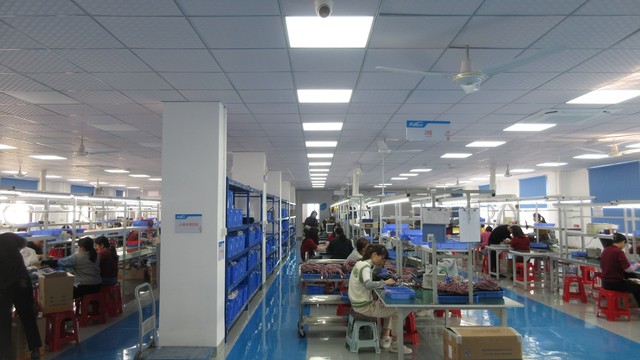
Shenzhen DCI Autos Co., Ltd. is a professional manufacturer specializing in electric vehicle components and advanced mobility technologies for the global automotive industry. Established in 2014, the company is headquartered in Shenzhen, Guangdong Province, a leading center for innovation in electric transportation and intelligent manufacturing. Operating from a modern production facility covering 28,000 square meters and supported by more than 300 employees, DCI Autos has developed comprehensive capabilities in engineering, manufacturing, testing, and international supply chain support.
The company focuses on the development and production of battery systems, power electronics, electric drivetrain components, battery management systems (BMS), charging system components, thermal management solutions, high-voltage electrical assemblies, and integrated EV powertrain technologies. Its products are designed to support passenger vehicles, commercial electric vehicles, light-duty transportation platforms, and emerging mobility applications.
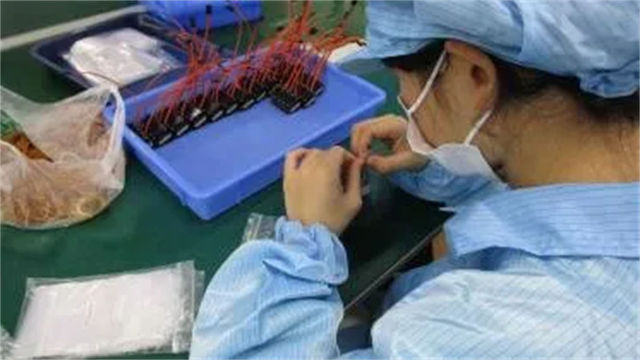
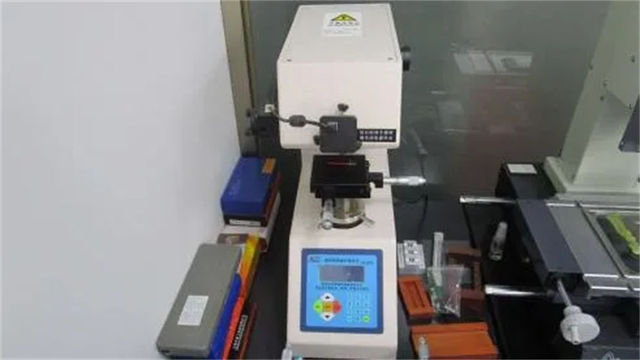
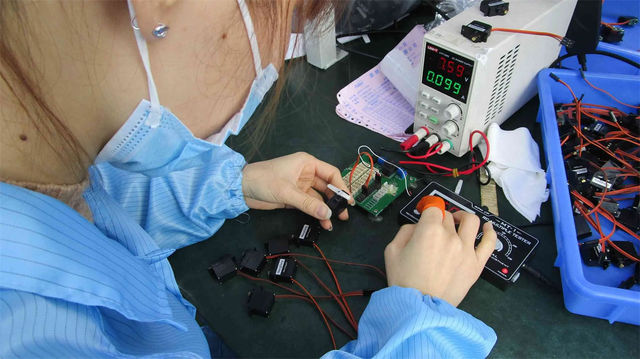
DCI Autos combines advanced manufacturing technologies, automated production equipment, and rigorous quality control procedures to ensure product reliability, efficiency, and long-term operational performance. The company operates dedicated engineering laboratories and testing facilities where products undergo extensive validation, environmental testing, and performance verification throughout the development and manufacturing process.
To meet the evolving requirements of the electric mobility sector, DCI Autos provides flexible OEM and ODM services, including customized component development, private-label manufacturing, system integration support, and application-specific engineering solutions. Its research and development team continuously explores innovations in electrification, energy management, lightweight design, and intelligent vehicle systems.
Today, Shenzhen DCI Autos Co., Ltd. serves customers across North America, Europe, Southeast Asia, the Middle East, South America, and other international markets. Through continuous innovation, precision manufacturing, and customer-focused collaboration, the company remains committed to supporting the global transition toward sustainable transportation and next-generation electric mobility technologies.
Common inquiries regarding motor controllers sourcing, customization, and tropical environment integration for the Bangkok market.
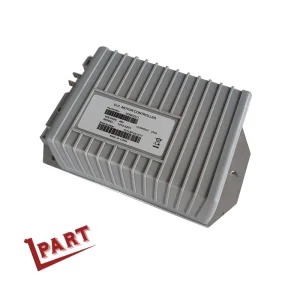
Our motor controllers are designed for tropical environments. We offer options with IP65 and IP67 ingress protection to prevent dust and water intrusion during monsoons. Additionally, they are manufactured with advanced thermal layouts, incorporating heavy-duty aluminum heat sinks and high-temperature-rated electronic components to ensure stability under heavy ambient thermal loads.
For standard products, order processing and preparation takes approximately 2 to 3 weeks. Customized OEM/ODM solutions typically require 4 to 8 weeks, depending on the modification complexity. Ocean transit from the Port of Shenzhen to the Port of Bangkok or Laem Chabang Port takes about 5 to 7 days, offering an exceptionally fast logistics turnaround.
Yes. We provide dedicated software tools and hand-held programmers to allow local engineering technicians in Bangkok to adjust acceleration curves, speed thresholds, torque limits, and braking responses to meet specific operational requirements.
Yes, we specialize in high-compatibility components, including drop-in replacements for standard Curtis SepEx and permanent magnet DC controllers. These solutions align with industry-standard pinouts and wiring configurations, making maintenance and repairs easy for local service centers in Thailand.
Explore our extensive range of high-efficiency motor controllers and peripheral components designed to optimize performance in electric mobility, material handling, CNC automation, and industrial systems.
Get in touch with our engineering team today to receive customized technical support, request pricing sheets, or configure an OEM project built for the Bangkok industrial sector.
 DCI Autos