Pre-engineered configurations ready for deployment in Danish grid stabilization, industrial material handling, and telecom backup systems.
Denmark is globally recognized as a pioneer in wind energy integration and decarbonized grid infrastructures. As the country targets a 70% reduction in greenhouse gas emissions by 2030 and complete climate neutrality by 2050, the stability of its power grid depends heavily on advanced Battery Energy Storage Systems (BESS). Within this context, the Battery Management System (BMS) acts as the central brain of energy storage, ensuring safety, efficiency, and longevity of lithium-ion, LiFePO4, and LTO chemistries.
Whether integrated into offshore wind farms in the North Sea, municipal district heating grids, or marine propulsion systems for electric ferries cruising the Kattegat, industrial BMS hardware must withstand rigorous thermal fluctuations, high humidity, and continuous high-rate cycling. The technical alignment between battery chemistries and state-of-the-art telemetry represents a major competitive advantage for Danish engineering procurement construction (EPC) contractors and energy developers.
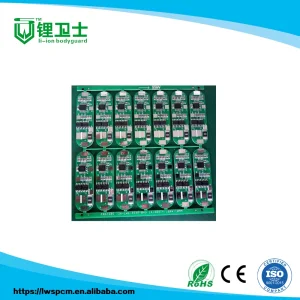
Our BMS modules support fast-response active and passive cell balancing, preventing cell drift in large-scale multi-megawatt wind storage projects.
Designed to comply with high safety and thermal runaway prevention standards, perfect for Copenhagen's expanding electric ferry fleets.
Advanced temperature monitoring algorithms allow safe operations from cold winters down to -25°C up to high-load operational cycles.
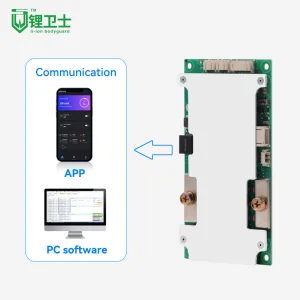
Globally, the demand for high-capacity battery packs has shifted the focus from simple protection circuits to highly communicative, smart BMS architectures. The European Union's strict safety guidelines, coupled with Denmark’s national standardizations, demand systems that go beyond basic over-voltage protection. Current trends highlight a massive migration toward multi-tier communication protocols—primarily CAN Bus, RS485, and Modbus—enabling real-time communication with hybrid solar-wind inverters, telecom base stations, and electric vehicle drivetrain units.
Danish commercial applications also emphasize the "second-life" battery ecosystem. Repurposing retired electric vehicle batteries for static grid storage requires flexible, programmable BMS setups that can recalibrate dynamically based on varying state-of-health (SoH) profiles. Our products are engineered with dynamic cell-balancing parameters that can adapt to changing capacity curves, significantly extending the service life of repurposed battery banks.
SEO Insights on Information Gain: While generic BMS suppliers focus purely on retail components, our systems are optimized for industrial system integration. By providing dual-port CAN communications and integrated thermal sensors directly mapping to PLC architectures, we remove the common communication bottleneck that delays system deployment in Denmark's strict smart-grid setups.
In cold-climate regions like Denmark, battery cells exhibit non-linear internal resistance shifts during low-temperature charging and discharging cycles. Standard passive balancing dissipates excess energy as heat, which is inefficient and generates localized thermal gradients. Our active-balancing smart BMS architectures dynamically shuttle charge from the highest-capacity cells to the lowest-capacity cells, reclaiming up to 98% of the balancing current. This increases net system output by 5% to 15% under cold operational profiles, directly translating to higher ROI for remote Danish wind power sites.
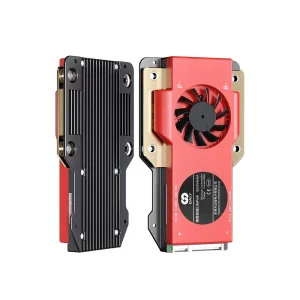
Engineered for high-reliability mobile assets, heavy commercial EVs, and industrial backup systems under harsh physical stress.
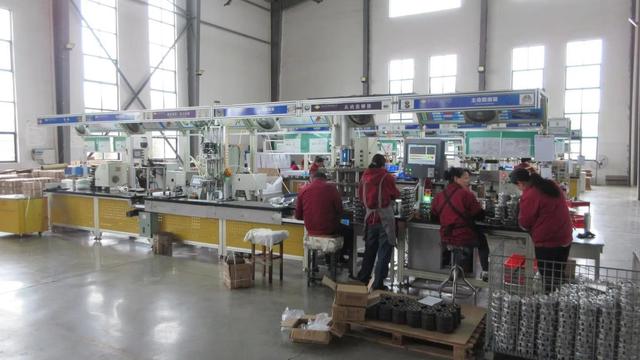
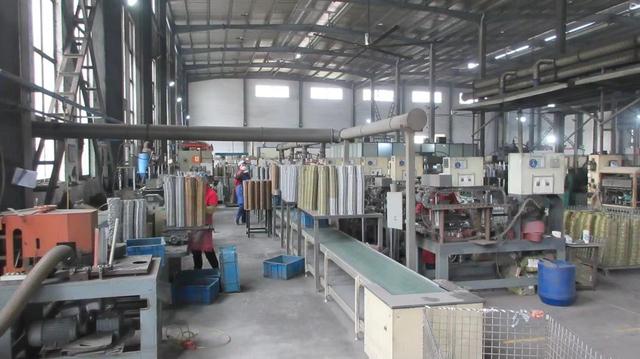
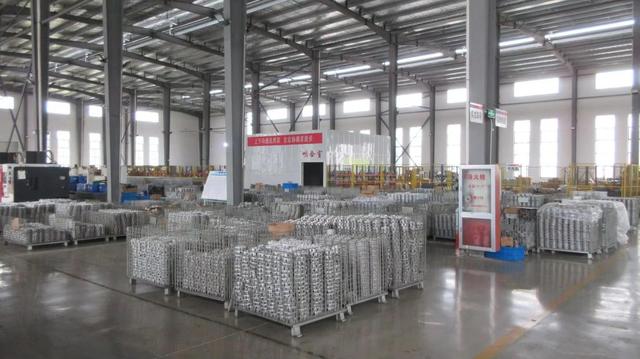
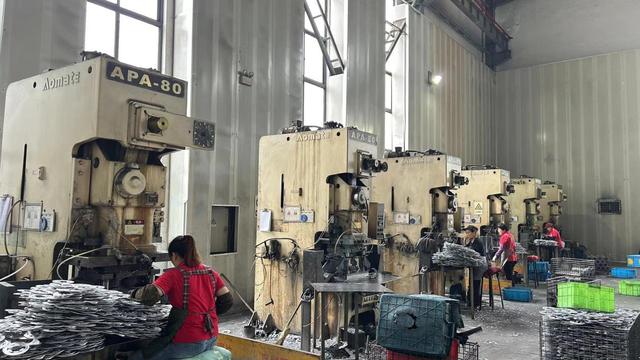
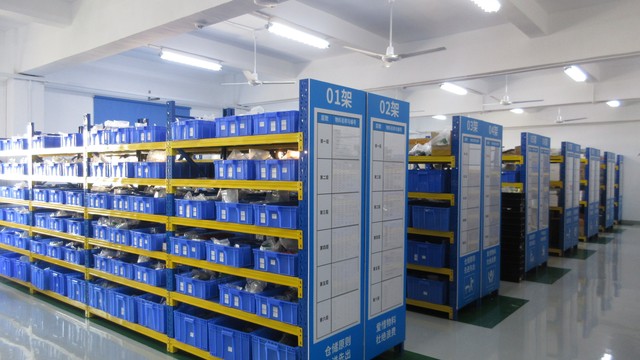
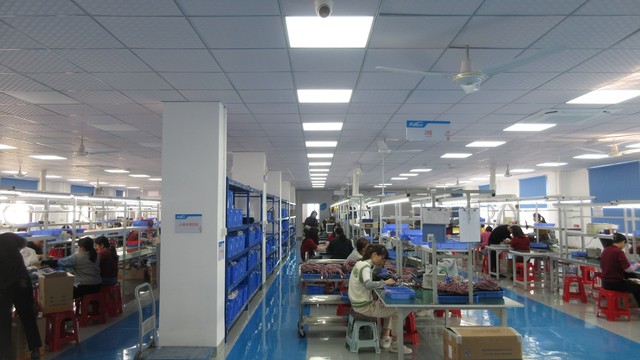
Shenzhen DCI Autos Co., Ltd. is a professional manufacturer specializing in electric vehicle components and advanced mobility technologies for the global automotive industry. Established in 2014, the company is headquartered in Shenzhen, Guangdong Province, a leading center for innovation in electric transportation and intelligent manufacturing. Operating from a modern production facility covering 28,000 square meters and supported by more than 300 employees, DCI Autos has developed comprehensive capabilities in engineering, manufacturing, testing, and international supply chain support.
The company focuses on the development and production of battery systems, power electronics, electric drivetrain components, battery management systems (BMS), charging system components, thermal management solutions, high-voltage electrical assemblies, and integrated EV powertrain technologies. Its products are designed to support passenger vehicles, commercial electric vehicles, light-duty transportation platforms, and emerging mobility applications.
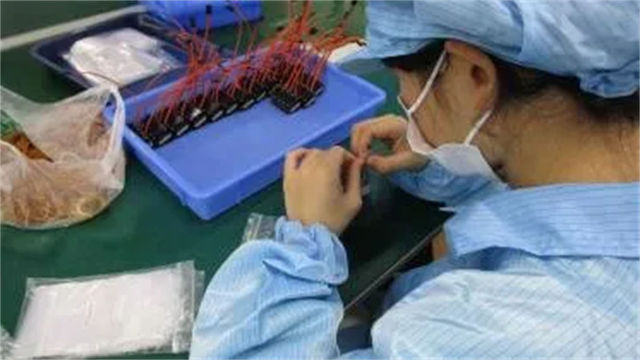
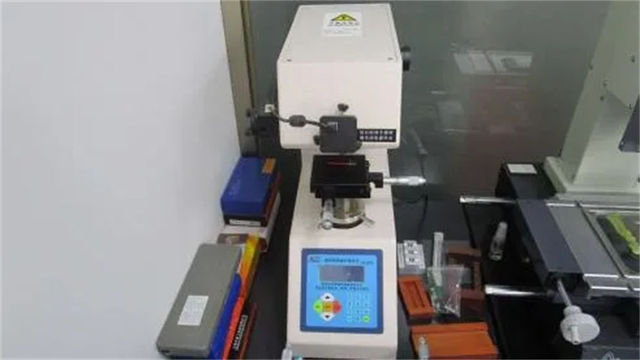
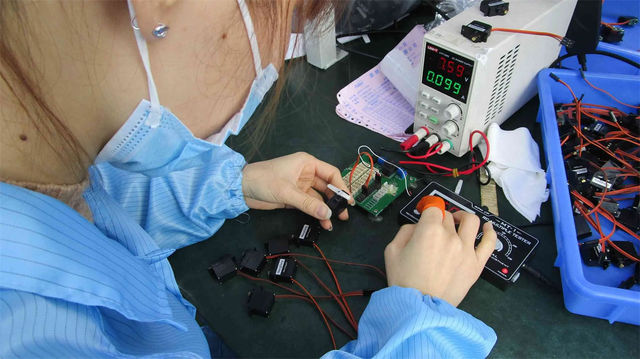
DCI Autos combines advanced manufacturing technologies, automated production equipment, and rigorous quality control procedures to ensure product reliability, efficiency, and long-term operational performance. The company operates dedicated engineering laboratories and testing facilities where products undergo extensive validation, environmental testing, and performance verification throughout the development and manufacturing process.
To meet the evolving requirements of the electric mobility sector, DCI Autos provides flexible OEM and ODM services, including customized component development, private-label manufacturing, system integration support, and application-specific engineering solutions. Its research and development team continuously explores innovations in electrification, energy management, lightweight design, and intelligent vehicle systems.
Today, Shenzhen DCI Autos Co., Ltd. serves customers across Denmark, Europe, North America, Southeast Asia, the Middle East, South America, and other international markets. Through continuous innovation, precision manufacturing, and customer-focused collaboration, the company remains committed to supporting the global transition toward sustainable transportation and next-generation electric mobility technologies.
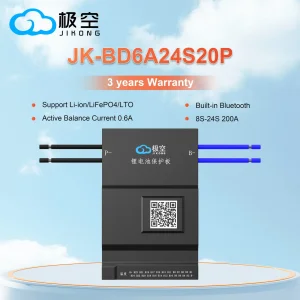
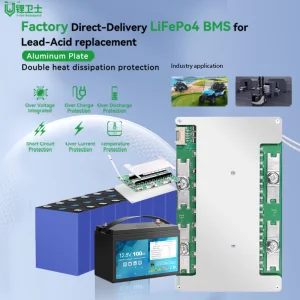
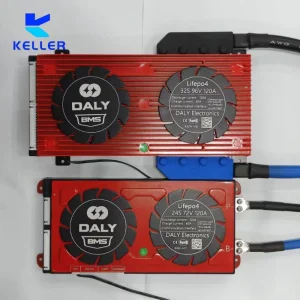
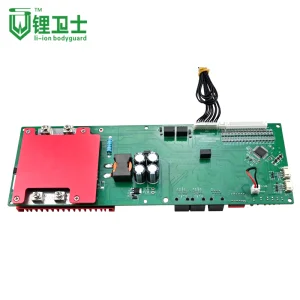
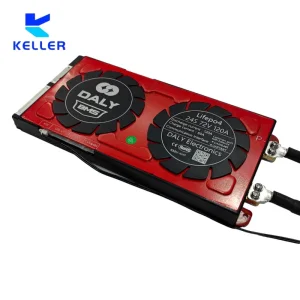
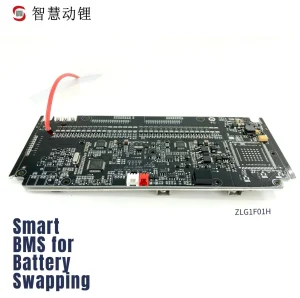
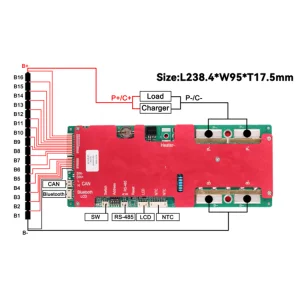
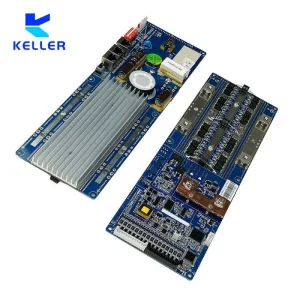
A comprehensive range of high-protection and smart-networked BMS systems built to withstand harsh, high-load cycles.
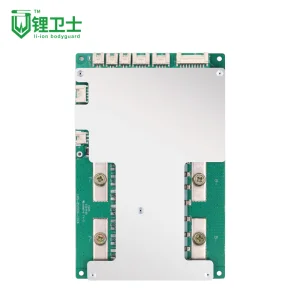
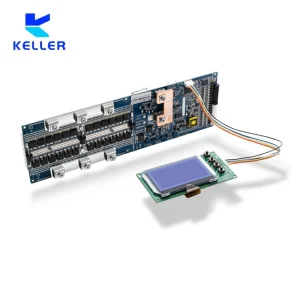
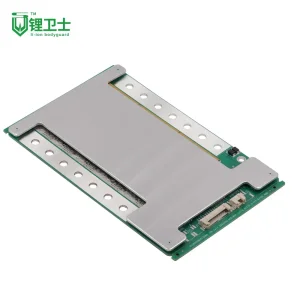
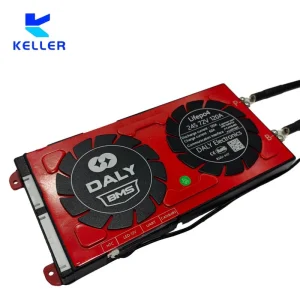
In response to Denmark's ambitious grid scale-up policies, DCI Autos' engineering division has outlined a strategic design path emphasizing cloud integration and safety diagnostics. By deploying Edge AI within local BMS logic, our modules can monitor real-time internal resistance anomalies, thermal expansion coefficients, and predictive aging metrics. This ensures proactive fault detection, isolating a degrading lithium cell days before standard voltage sensors would catch the variance.
Another major pillar of our roadmap is the elimination of bulky, failure-prone high-voltage wiring harnesses through wireless BMS (wBMS) technologies. Using secure, low-latency industrial mesh networks, wBMS arrays can communicate cell voltages and temperatures through steel enclosure partitions. This reduces overall battery pack weight by up to 15%, decreases failure points, and simplifies modular maintenance in heavy maritime and wind storage systems across Europe.
The intermittent nature of wind and solar generation in Denmark creates short-term high-voltage spikes and long-term base load dips. High-voltage energy storage stations deployed to balance these transitions rely on massive battery configurations. A tiny imbalance in cell internal resistance can lead to thermal runaway under high charging rates. Our high-voltage BMS platforms feature multi-layered system isolation monitoring, integrated smoke and gas detector triggers, and digital output relays designed to safely shut down sub-banks while keeping the main grid line online. This localized fault containment protocol meets strict CE and EN requirements for industrial energy storages.
Connect with our engineering team to custom-configure your BMS array, request samples, or consult on industrial grid scale-up projects. We provide full technical documentation, certificates, and export support.
Send Inquiry Now DCI Autos