In the rapidly evolving landscape of global electrification, the term "Battery Energy Density" has emerged as the most critical metric for determining the commercial viability of electric vehicles (EVs) and stationary energy storage systems (ESS). As a leading hub for technological innovation, China has consolidated its position as the premier destination for wholesale battery energy density manufacturers. This white paper explores the engineering intricacies, supply chain dynamics, and future outlook of high-density battery manufacturing, with a focus on the specialized contributions of Shenzhen DCI Autos Co., Ltd.
Energy density, measured in Watt-hours per kilogram (Wh/kg) or Watt-hours per liter (Wh/L), directly impacts the range, weight, and cost of modern transportation. Achieving higher density requires a sophisticated interplay between advanced cathode chemistries, silicon-based anodes, and precision-engineered thermal management systems. Shenzhen DCI Autos Co., Ltd., established in 2014, operates at the heart of this revolution, providing the critical components that allow high-density cells to operate safely and efficiently under extreme industrial conditions.
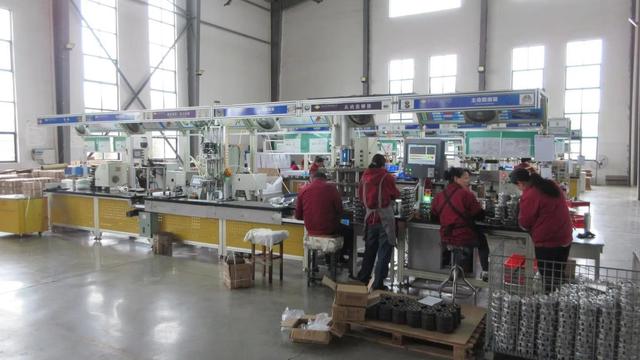
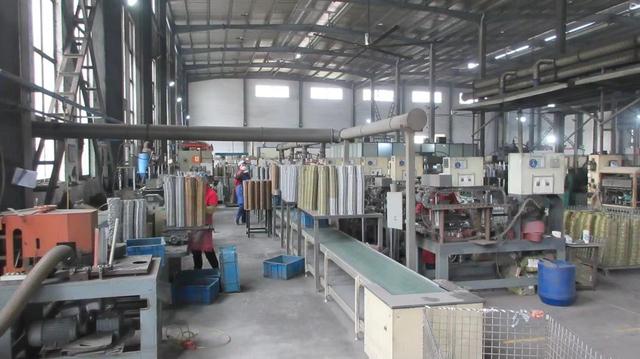
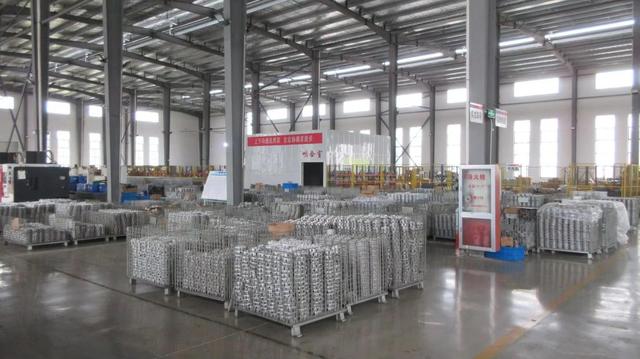
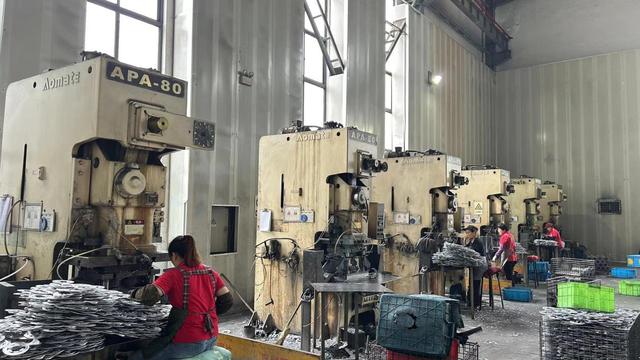
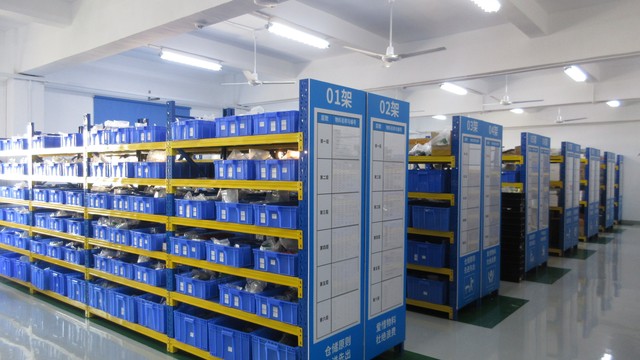
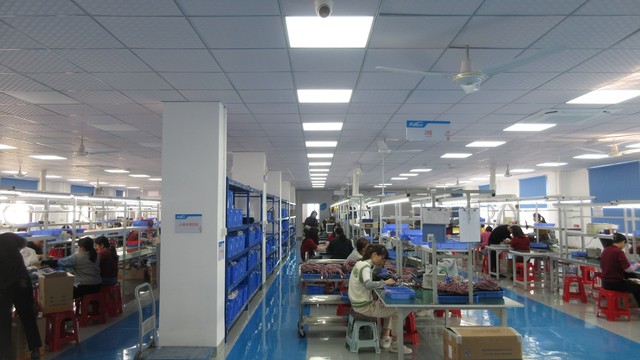
Shenzhen DCI Autos Co., Ltd. is a professional manufacturer specializing in electric vehicle components and advanced mobility technologies for the global automotive industry. Operating from a modern production facility covering 28,000 square meters in Shenzhen, the company is supported by more than 300 employees.
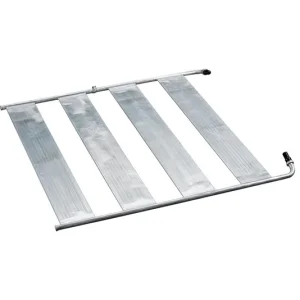
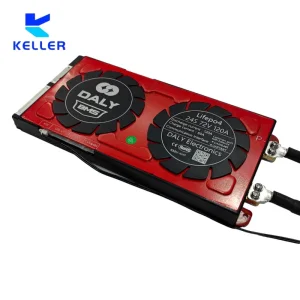
The company focuses on the development and production of battery systems, power electronics, electric drivetrain components, battery management systems (BMS), charging system components, and thermal management solutions like aluminum cooling plates.
Serving customers across North America, Europe, Southeast Asia, the Middle East, and South America, DCI Autos remains committed to supporting the global transition toward sustainable transportation and next-generation electric mobility technologies.
From LFP (Lithium Iron Phosphate) at 160-180 Wh/kg to high-nickel NCM (Nickel Cobalt Manganese) reaching 250-300 Wh/kg. The industry is now moving toward Cobalt-free chemistries and Ultra-High Nickel (>90%) cathodes to push boundaries without compromising ethical sourcing.
Replacing graphite anodes with silicon-carbon composites allows for significantly higher lithium-ion absorption. This technology is the key to breaking the 350 Wh/kg barrier, though it requires advanced binders to manage volume expansion during charging cycles.
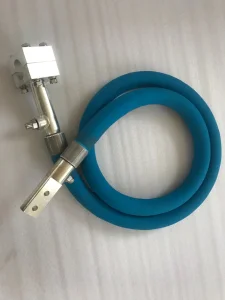
As density increases, heat management becomes exponential. DCI’s liquid cooling plates are essential in high-density packs to maintain temperature uniformity, preventing thermal runaway and extending the cycle life of expensive battery assets.
Why global OEMs partner with Shenzhen-based manufacturers like DCI Autos for energy density solutions.
Shenzhen serves as a "Silicon Valley for Hardware." The proximity of raw material suppliers, component manufacturers, and logistics hubs allows for rapid prototyping and reduced lead times compared to any other region globally.
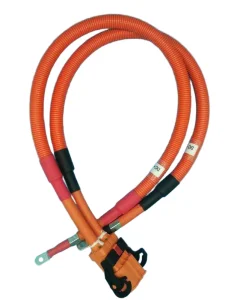
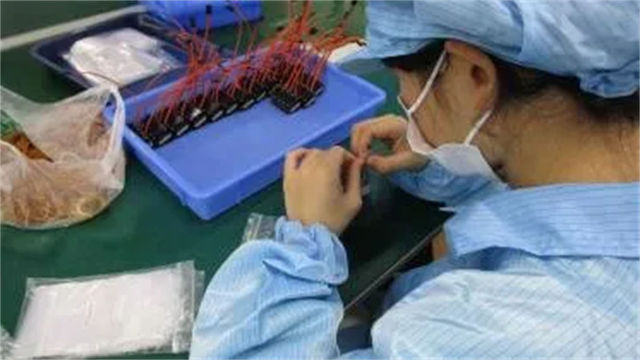
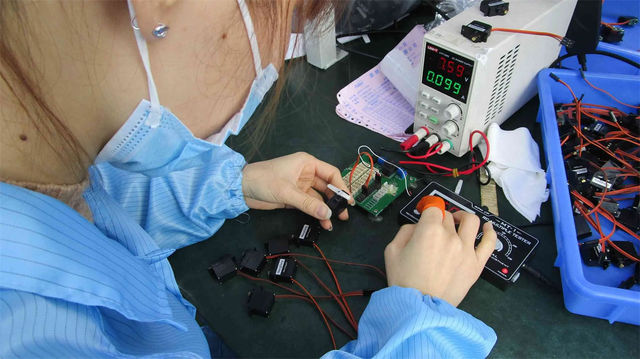
DCI Autos utilizes automated production equipment and rigorous quality control. This ensures that every high-voltage wiring harness and BMS module meets the exacting tolerances required for high-energy density applications.
China wholesale manufacturers offer a superior "Wh per Dollar" ratio. By optimizing manufacturing efficiencies and achieving economies of scale in our 28,000 sqm facility, we deliver Tier-1 quality at competitive price points.
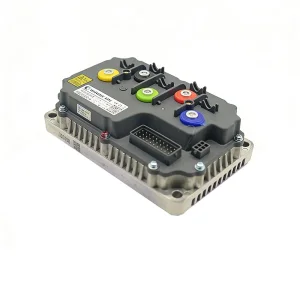
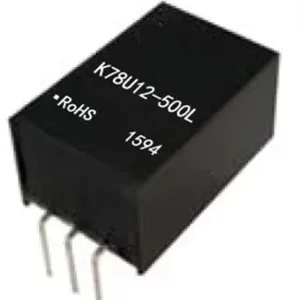
Optimizing energy density for last-mile delivery vans. Increased Wh/kg allows for larger payloads while maintaining a 300km+ daily range, supported by DCI's robust DCDC converters and motor controllers.
High volumetric density (Wh/L) is critical for commercial electric vessels where space is at a premium. DCI’s IP68-rated wiring and high-voltage assemblies are designed for these harsh, salt-heavy environments.
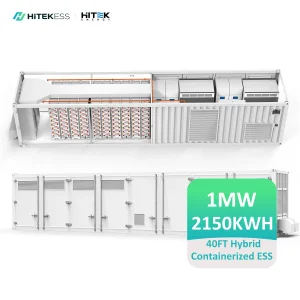
For containerized energy storage (like our 40FT 3MWh ESS containers), energy density determines the footprint. High-density designs allow for higher capacity in restricted industrial zones, maximizing ROI for solar-plus-storage projects.
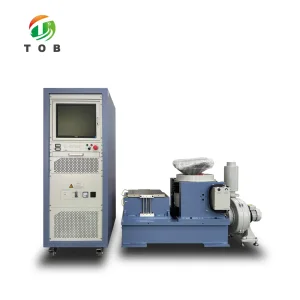
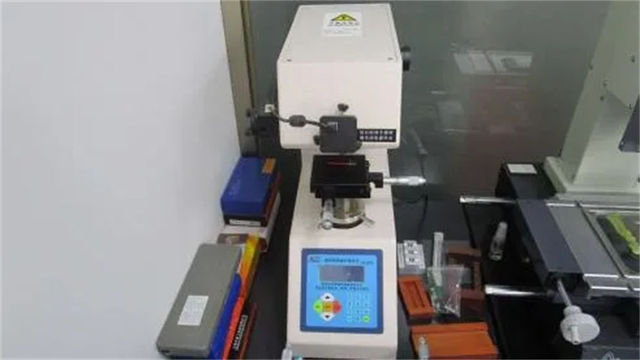
DCI Autos combines advanced manufacturing technologies, automated production equipment, and rigorous quality control procedures. Our products undergo extensive validation in dedicated engineering laboratories.
Gravimetric density (Wh/kg) refers to how much energy a battery can store relative to its weight, which is vital for vehicles and drones. Volumetric density (Wh/L) refers to energy relative to size, which is critical for compact electronics and space-constrained EVs.
Safety is managed through a multi-layer approach: High-precision Smart BMS monitoring cell voltage/temp, efficient liquid cooling plates to prevent hot spots, and IP68-rated high-voltage wiring to ensure structural integrity in all weather conditions.
The industry is transitioning toward Semi-Solid State batteries and Silicon-dominant anodes. These technologies aim to reach 400-500 Wh/kg while significantly reducing charging times and improving safety profiles.
Yes. To meet the evolving requirements of the electric mobility sector, DCI Autos provides flexible OEM and ODM services, including customized component development and private-label manufacturing for global partners.
At Shenzhen DCI Autos Co., Ltd., we understand that high-energy density batteries must meet diverse global standards. Our engineering team ensures that all components, from BMS to thermal systems, comply with IATF 16949, CE, and RoHS standards.
Our R&D team continuously explores innovations in electrification and energy management to provide onsite technical support for system integration.
With a dedicated supply chain support team, we navigate complex international shipping regulations for high-voltage and hazardous materials.
We focus on lightweight design and sustainable manufacturing to minimize the carbon footprint of the next generation of electric mobility.
 DCI Autos