Product Overview
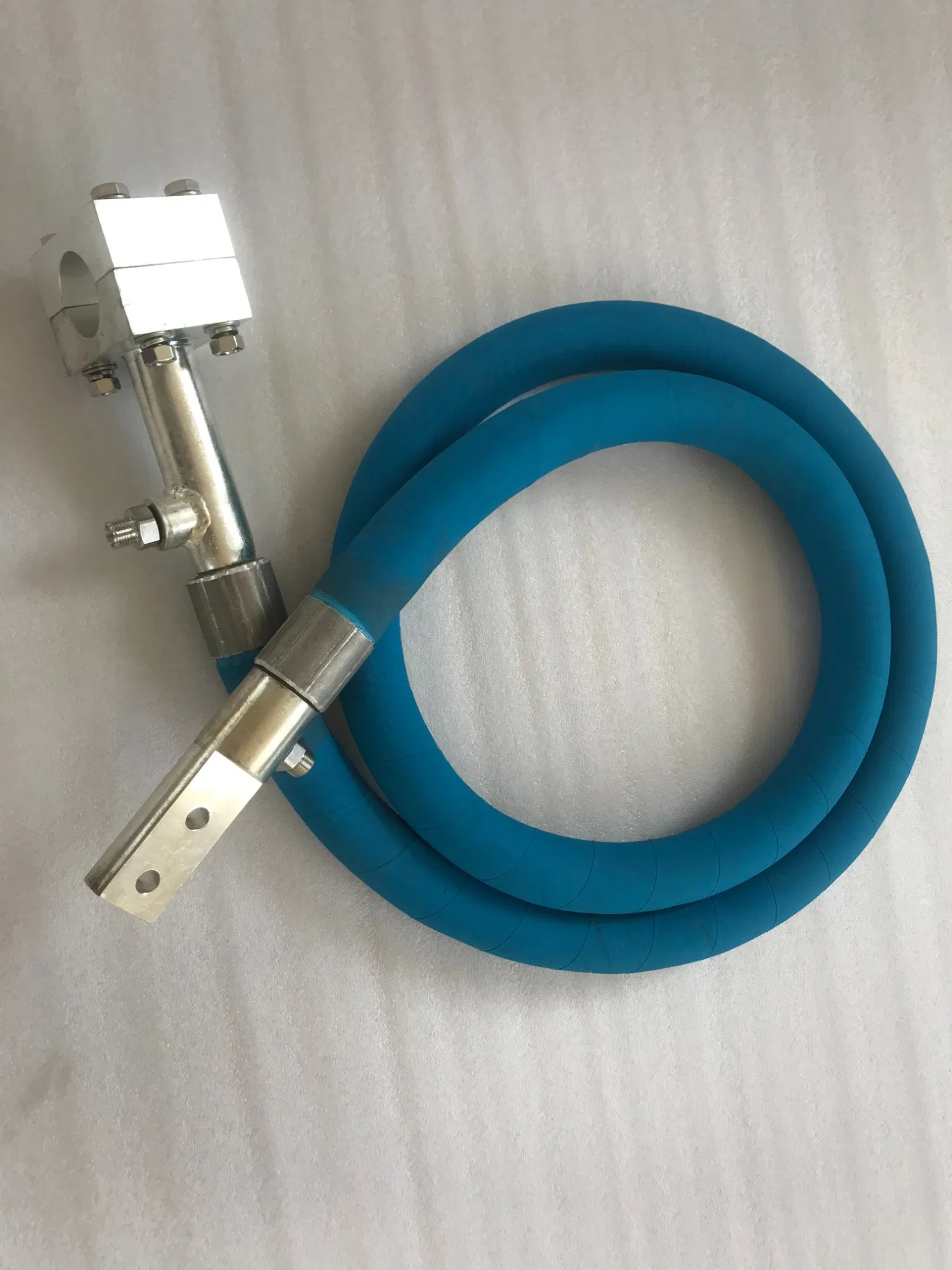
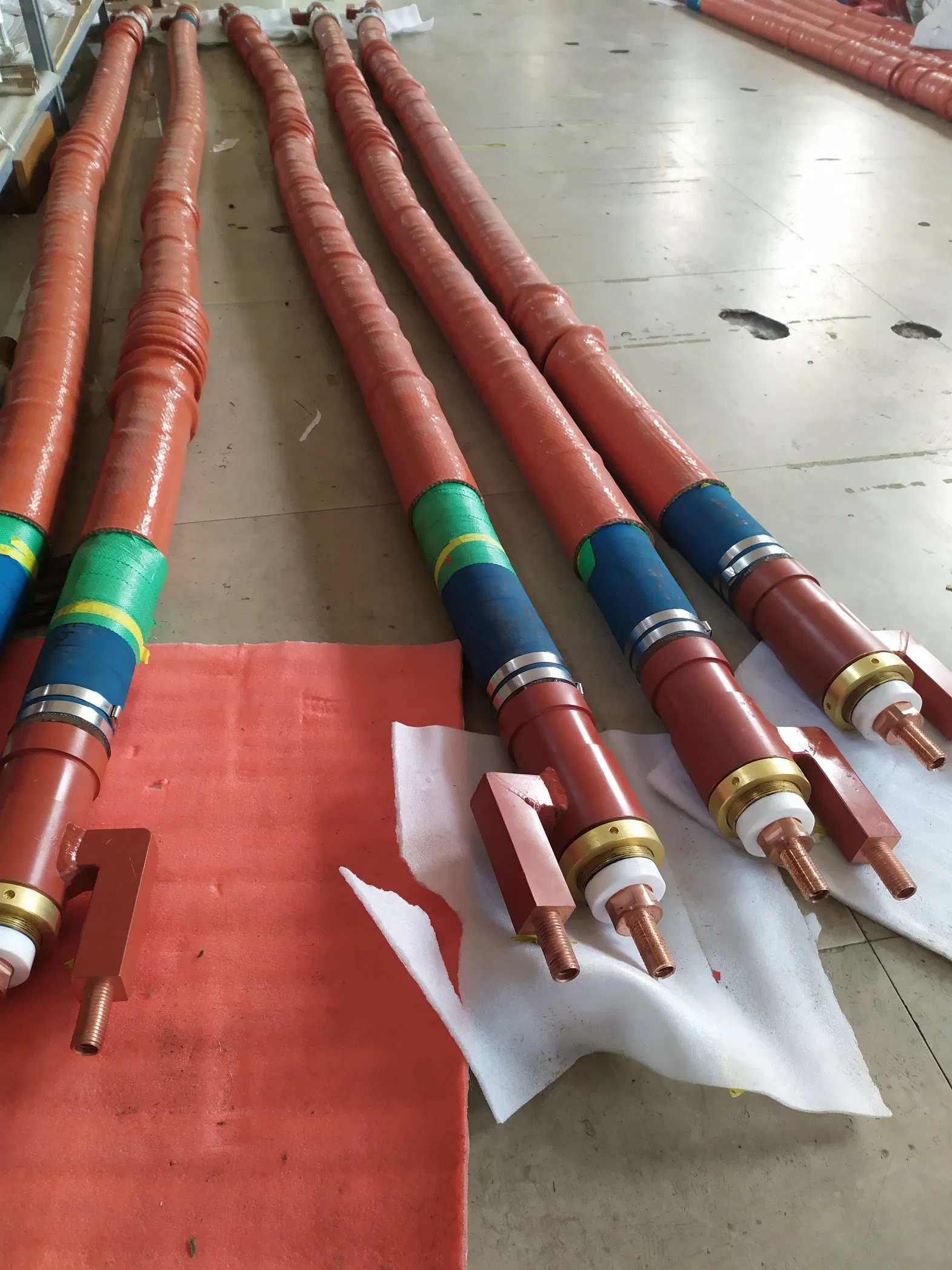
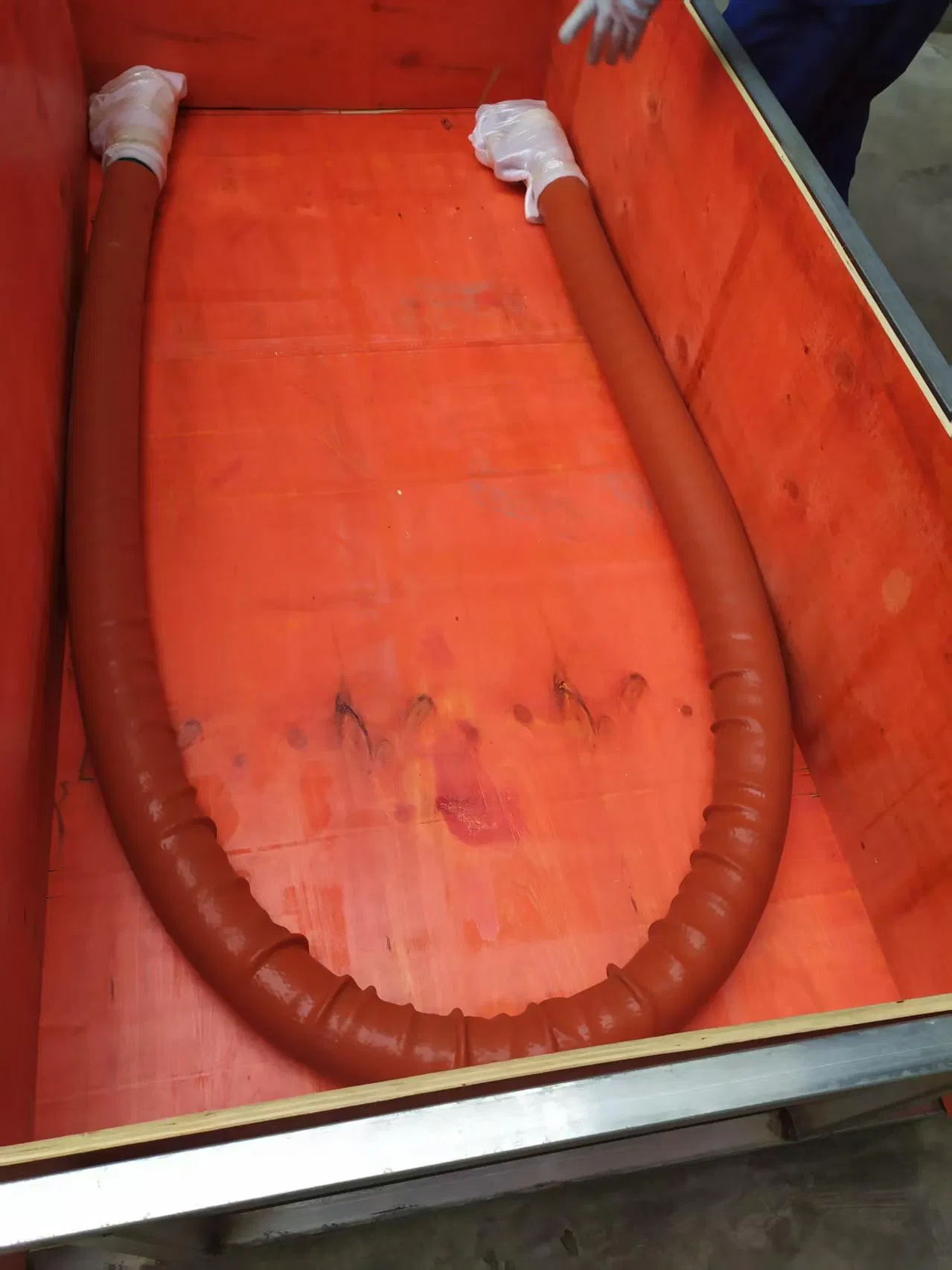
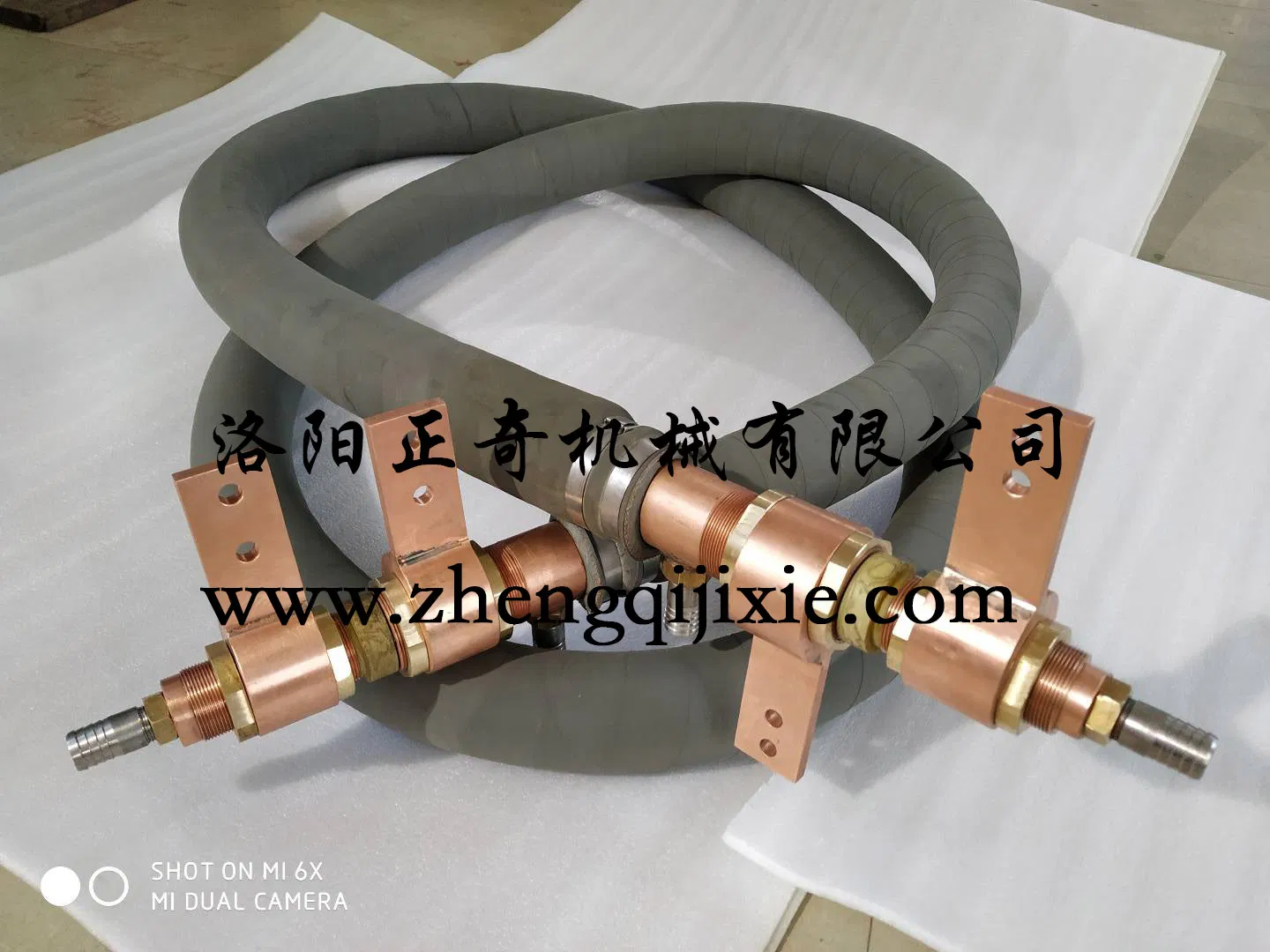
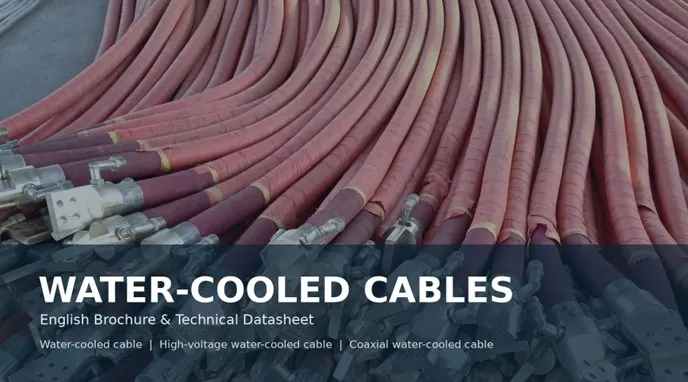
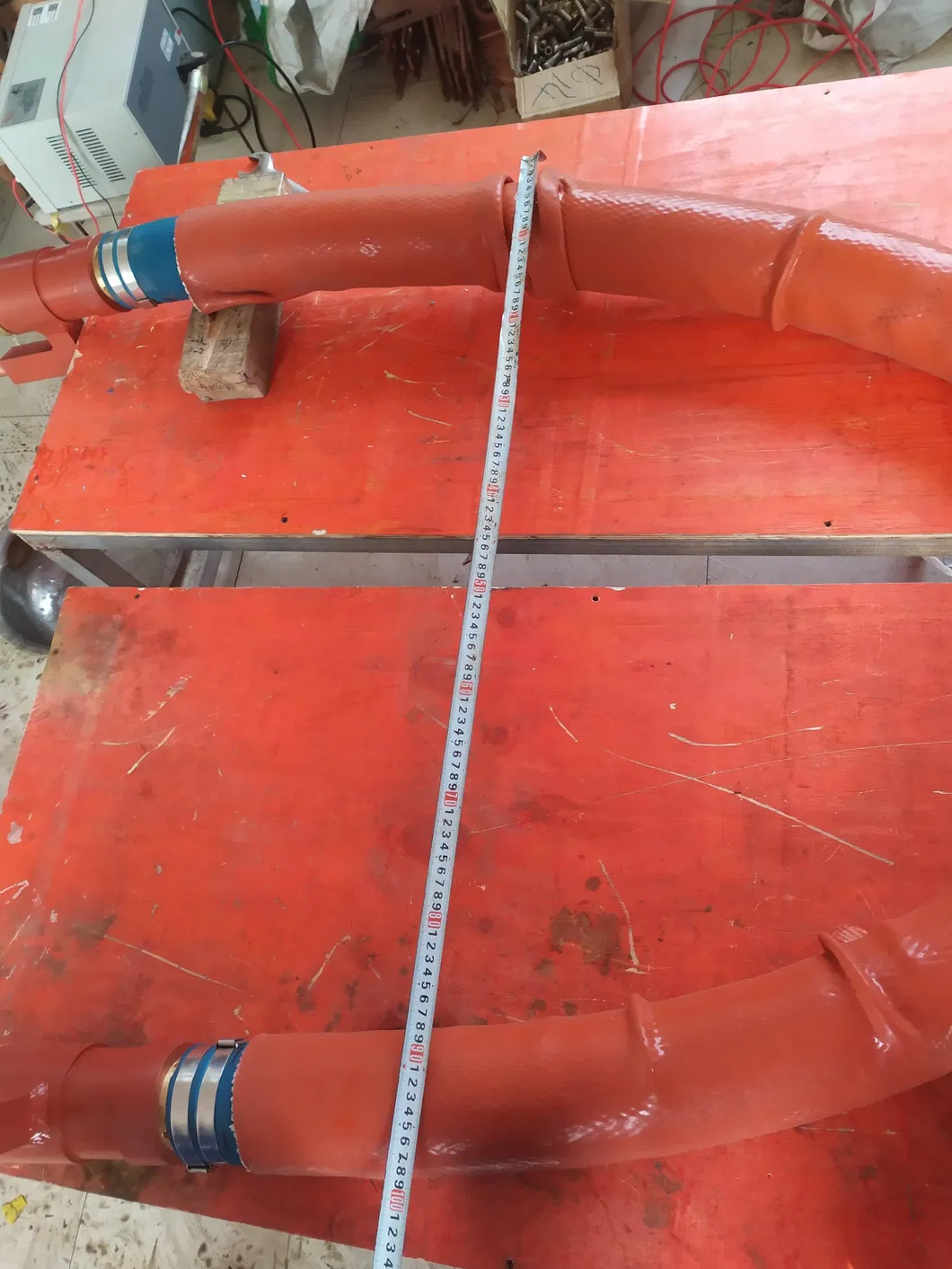
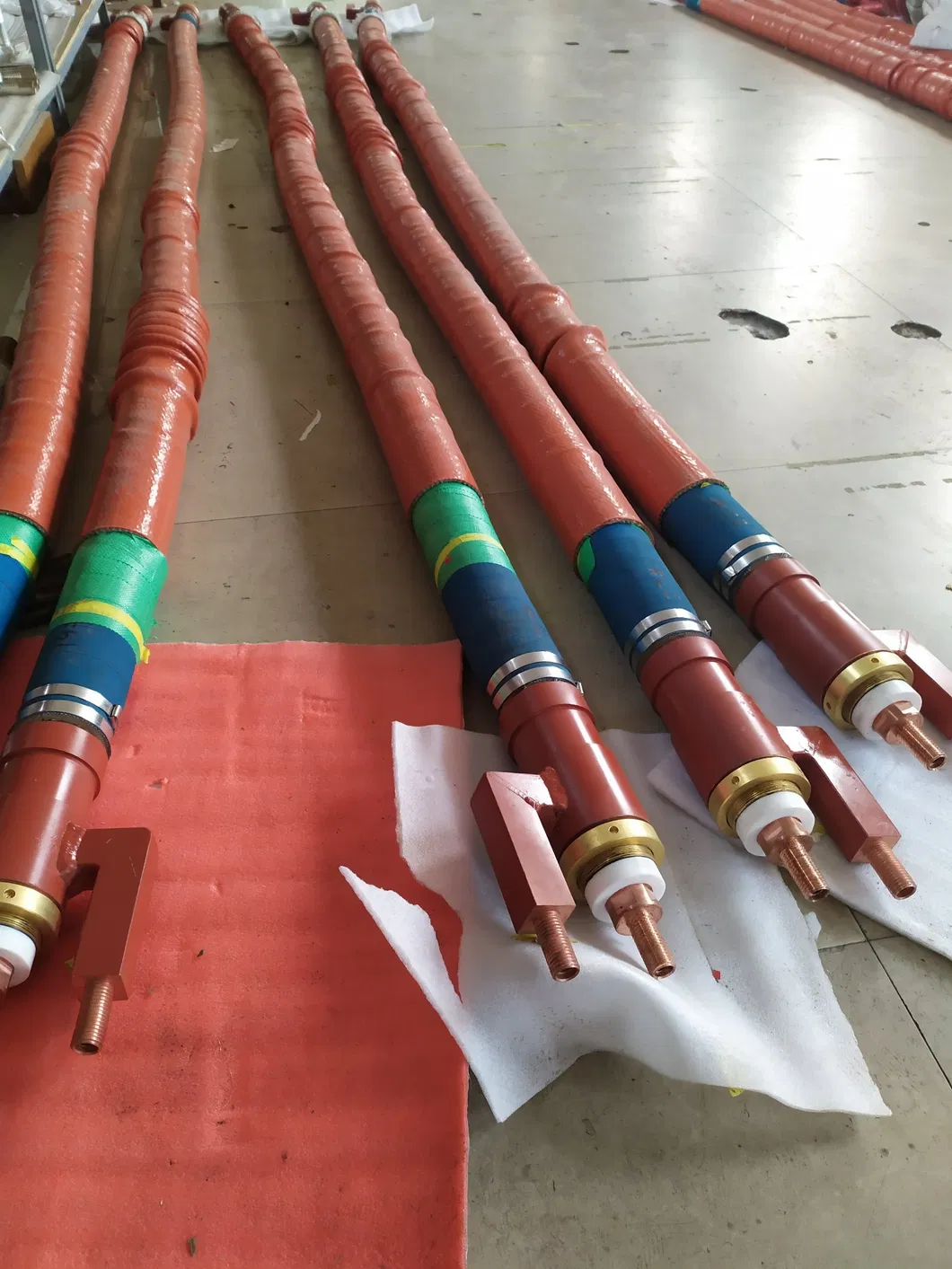
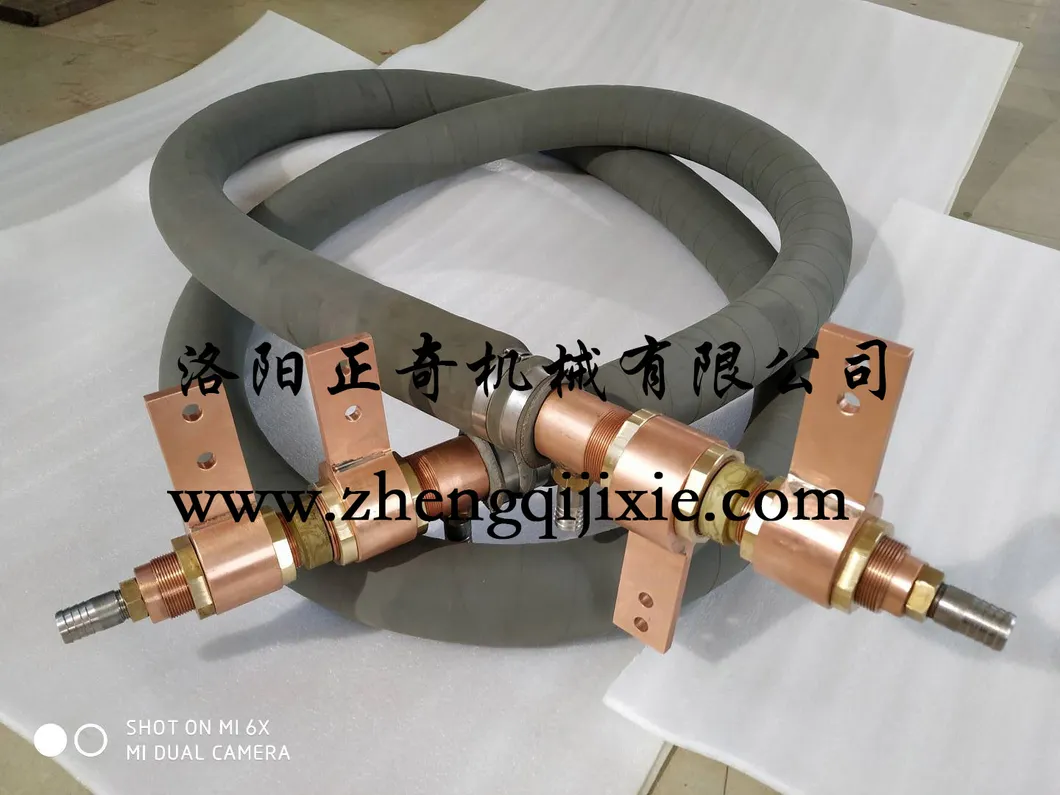
Water-Cooled Power Cables: Known as water-cooled leads or flexible connectors, these are engineered to transport large currents efficiently within electric melting and heating apparatus. Their integrated water-cooling system effectively reduces conductor temperature, decreases electrical losses, and minimizes unexpected downtime.
Core Capabilities
- OEM / ODM manufacturing
- Build-to-print or build-to-sample customization
- Fast quotation support and application engineering assistance
- After-sales spare parts and repair services
- Quality management system: [ISO 9001 / others]
Typical Applications
- Electric arc furnace (EAF) / UHP furnace
- Ladle furnace
- Induction melting / heating equipment
- Vacuum furnaces
- Semiconductor crystal growth equipment
- Welding systems and high-current power supply
Construction & Design Features
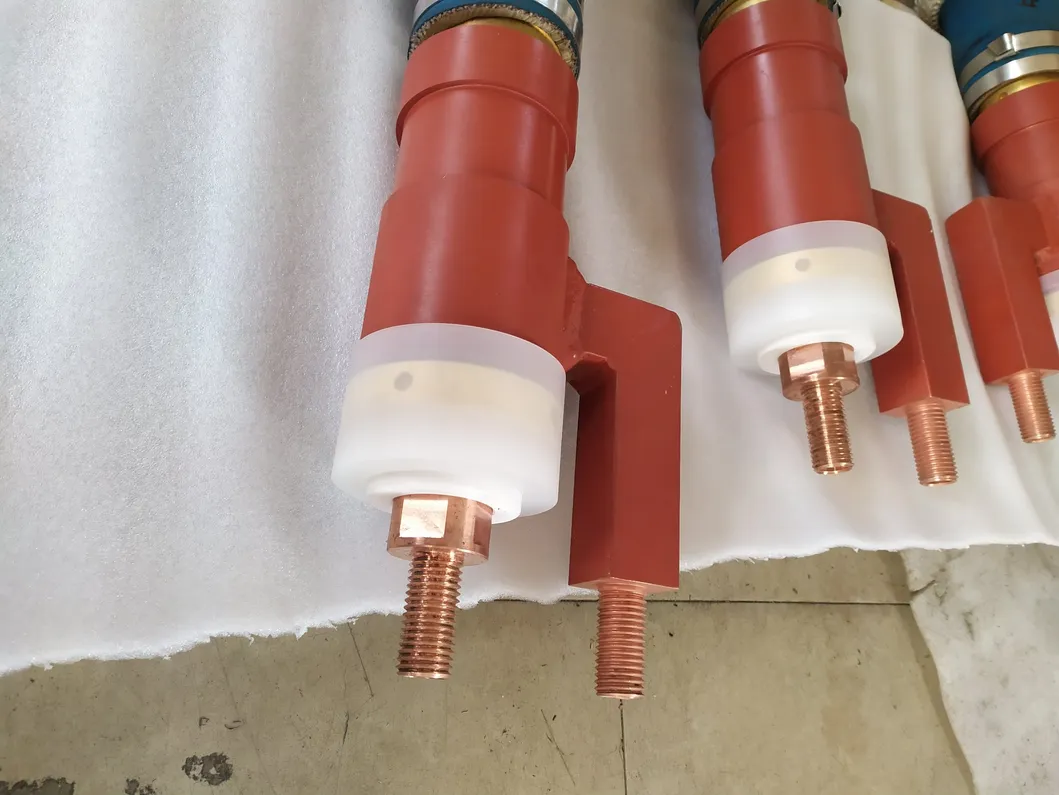
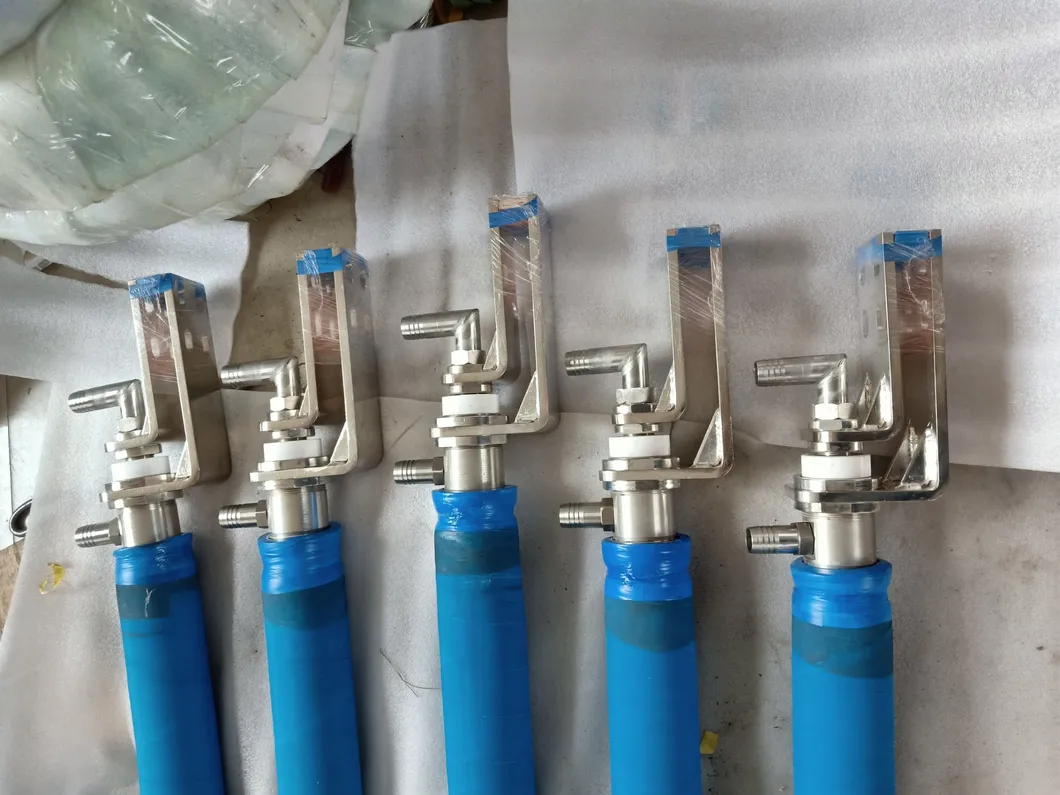
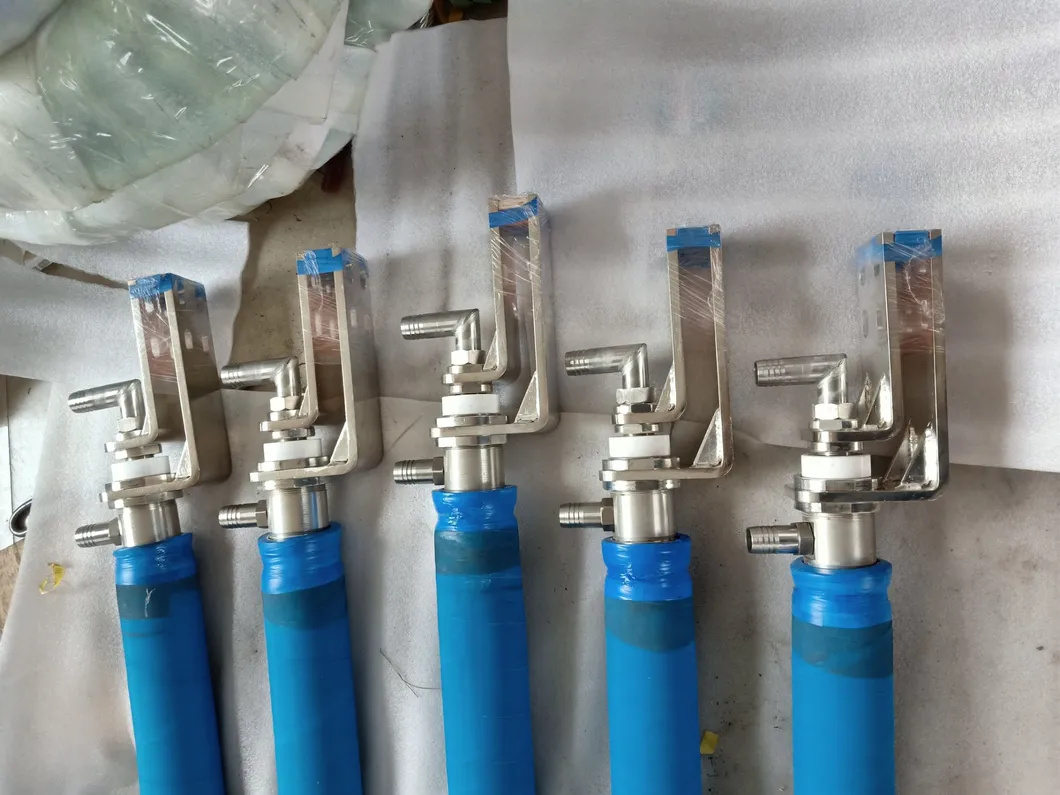
Terminal / Cable Head
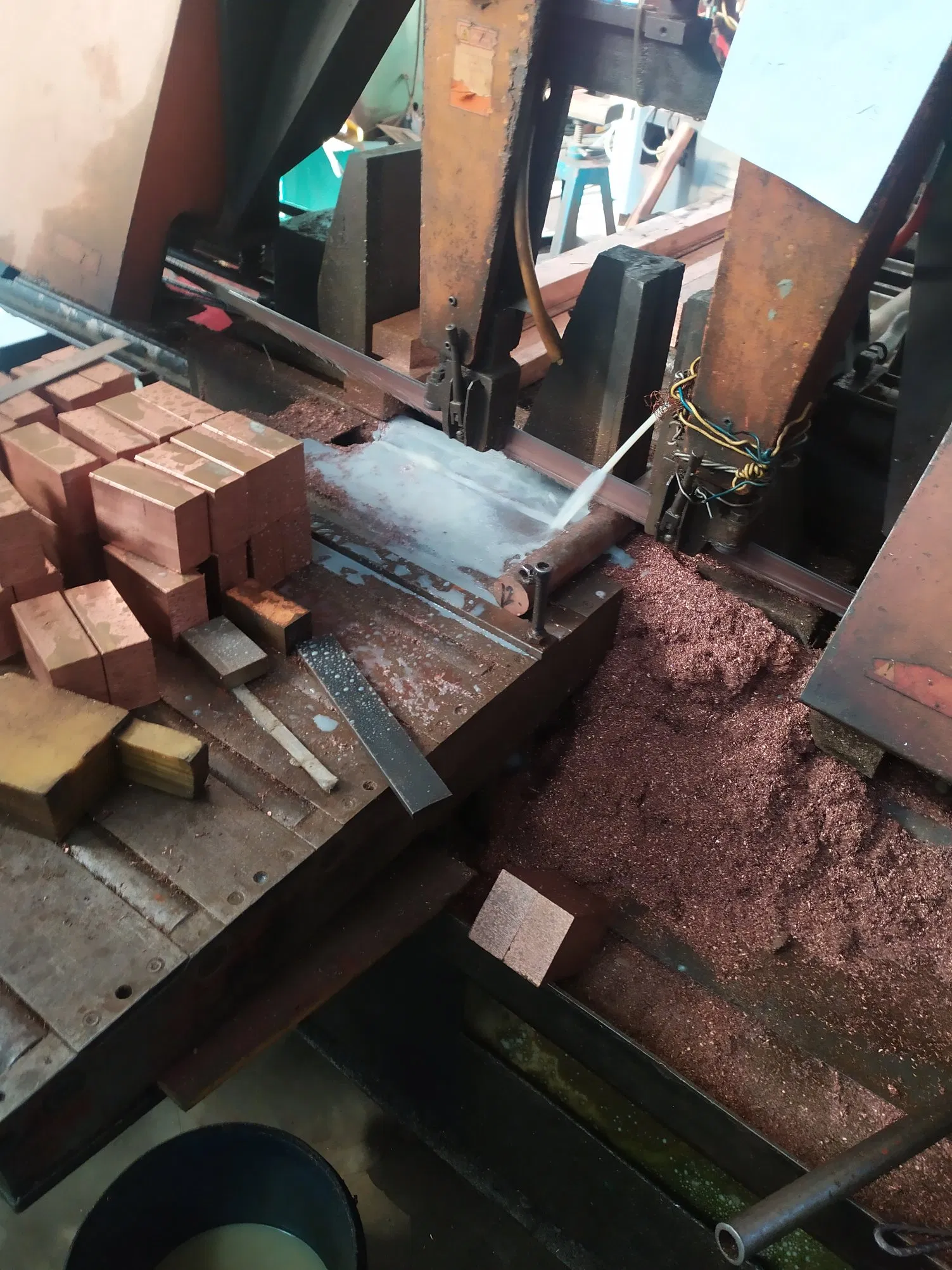
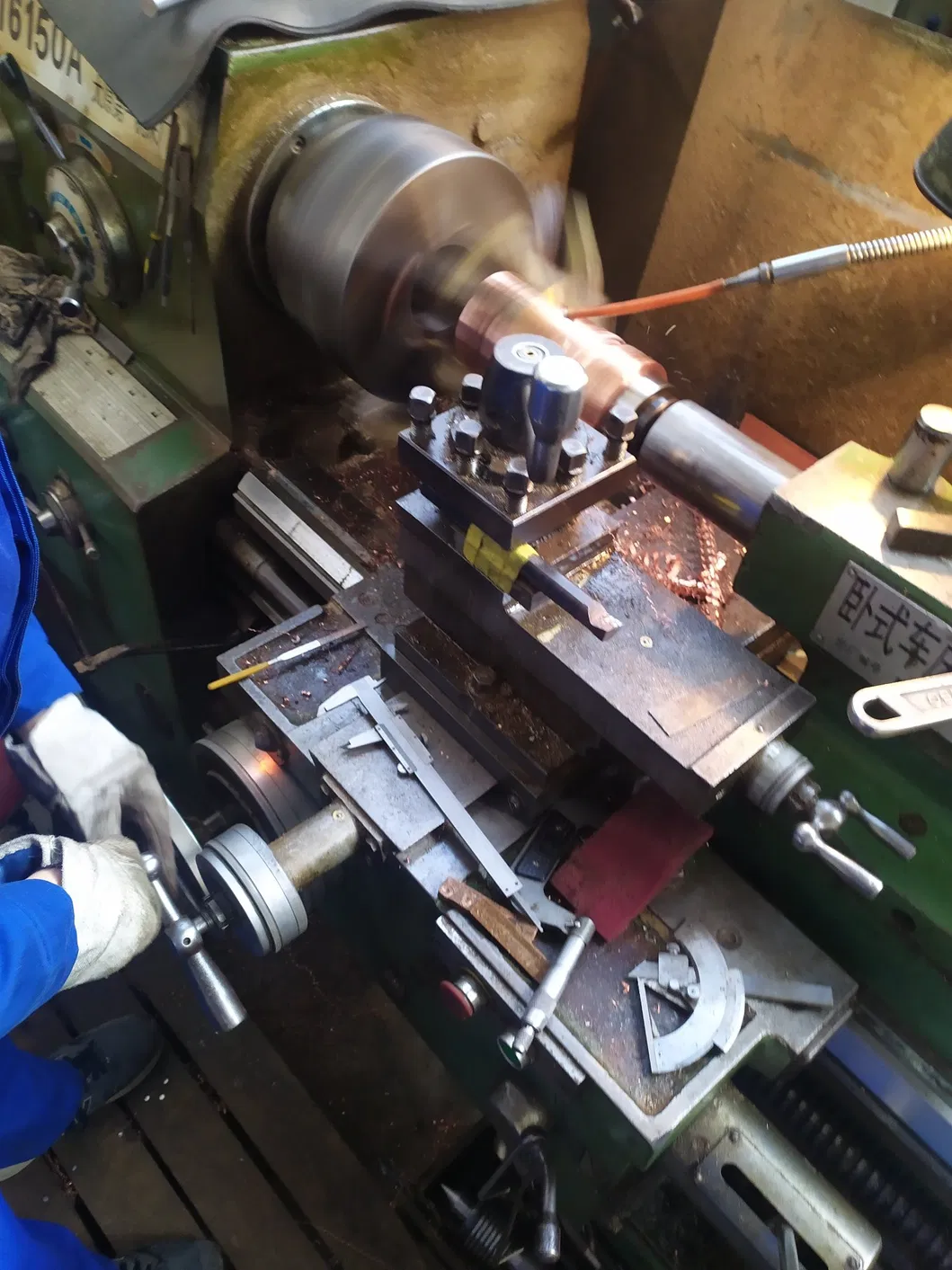
- CNC machined from a single copper bar
- No contact joints or welded seams in the terminal body
- Tin-plated surface for oxidation resistance
- Available in non-contact, water-cooled, and rotary types
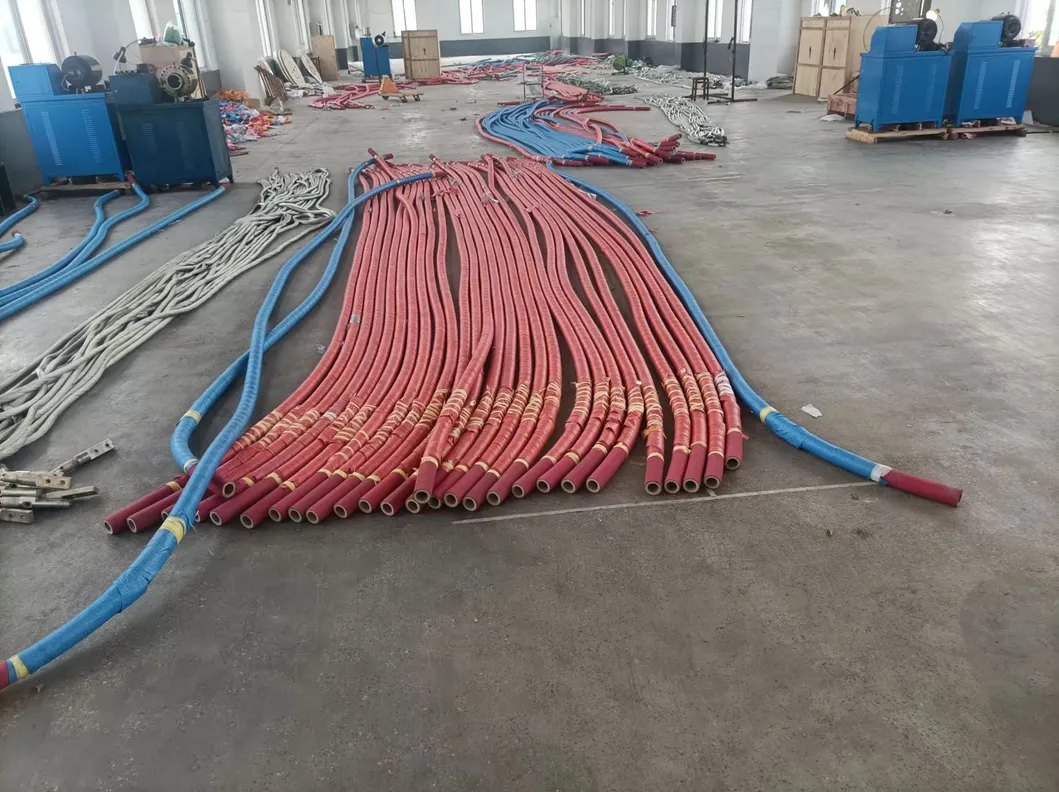
Flexible Conductor & Hose
- TU1 oxygen-free copper stranded conductor
- Tin-plated strands for corrosion resistance
- High natural-rubber content non-carbon insulation hose
- Dedicated crimping for long-term sealing
Standard Water-Cooled Cable: Premium non-carbon rubber hose, suitable for pressures up to 0.8 MPa and voltages up to 6,000 V.
High-Voltage Water-Cooled Cable: Enhanced with an additional shielding layer for safety. Designed for up to 1.0 MPa and 10 kV.
Coaxial Water-Cooled Cable: Innovative design separates coaxial conductors and cooling circuits via PTFE. Minimizes heat and electrical losses.
Frequently Asked Questions
Q: What is the main benefit of using a water-cooled system in these cables?
A: The integrated water-cooling system effectively reduces the conductor temperature, which significantly decreases electrical losses and helps prevent unexpected equipment downtime.
Q: What materials are used for the conductors and insulation?
A: We use TU1 oxygen-free copper for the conductors (often tin-plated) and high-quality non-carbon rubber with high natural-rubber content for the outer insulation hose.
Q: Are the cable terminals customizable?
A: Yes, terminal designs, mounting holes, water connections, and overall cable lengths can be tailored to meet specific customer drawings or site-specific requirements.
Q: What is the typical voltage rating for these cables?
A: Standard cables are suitable for up to 6,000 V, while high-voltage versions are designed to withstand up to 10 kV.
Q: What kind of testing is performed before the cables are shipped?
A: Every cable undergoes rigorous leakage and pressure tests (typically at 0.8 MPa), DC resistance measurements, dimensional inspections, and withstand-voltage tests where applicable.
Q: How do I choose the correct cable model for my furnace?
A: Selection is based on your equipment type (EAF, Induction, etc.), rated current, duty cycle, installation layout, and specific cooling water conditions.
Disclaimer: Final product configurations and performance values are subject to mutually confirmed technical agreements.
 DCI Autos