Engineered to exceed critical regulatory compliance and automotive safety requirements globally.
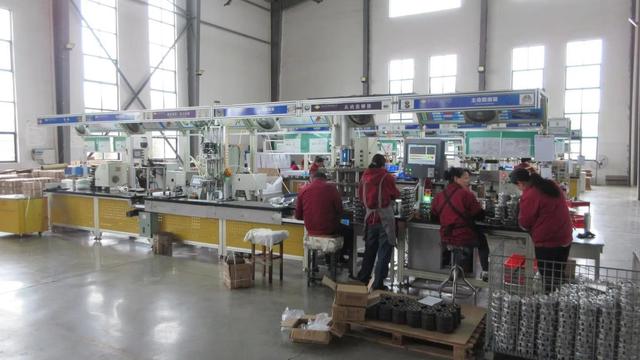
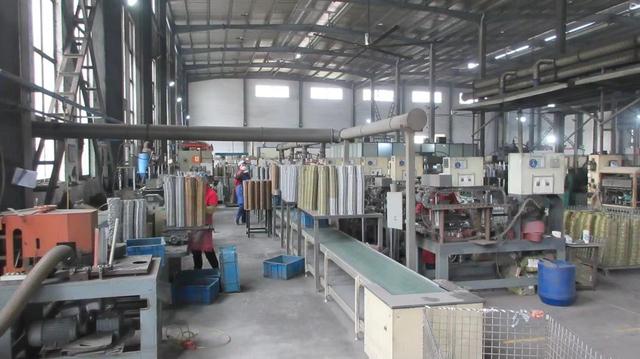
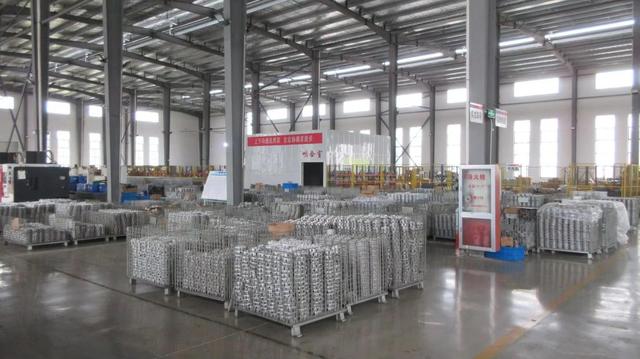
Shenzhen DCI Autos Co., Ltd. is a professional manufacturer specializing in electric vehicle components and advanced mobility technologies for the global automotive industry. Established in 2014, the company is headquartered in Shenzhen, Guangdong Province, a leading center for innovation in electric transportation and intelligent manufacturing. Operating from a modern production facility covering 28,000 square meters and supported by more than 300 employees, DCI Autos has developed comprehensive capabilities in engineering, manufacturing, testing, and international supply chain support.
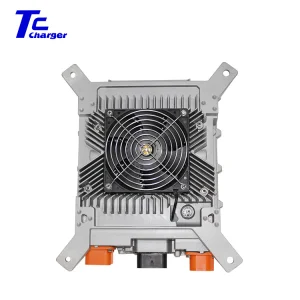
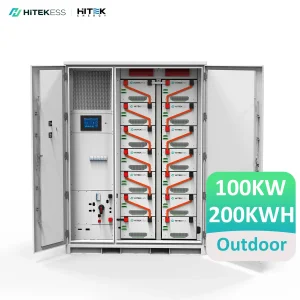
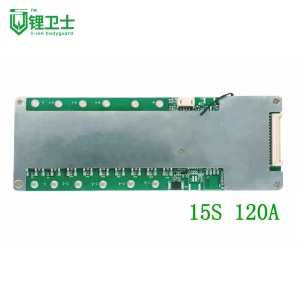
The company focuses on the development and production of battery systems, power electronics, electric drivetrain components, battery management systems (BMS), charging system components, thermal management solutions, high-voltage electrical assemblies, and integrated EV powertrain technologies. Its products are designed to support passenger vehicles, commercial electric vehicles, light-duty transportation platforms, and emerging mobility applications.
An in-depth analysis of safety directives, functional safety alignment, and electromagnetic compatibility standards in modern electric vehicle deployments.
Compliance with ISO 26262 standards up to ASIL-D, mitigating critical risks associated with electrical overstress and high-voltage failures.
Rigorous filtering architectures ensure minimal electromagnetic emissions under EN 61000 standards, preventing signal interference.
Structural guarantees for high-voltage insulation and galvanic isolation limits, protecting both vehicle operators and technicians.
"A robust BMS does not merely report battery metrics—it acts as the primary safety layer of the high-voltage powertrain, proactively preventing thermal runaways and balancing current peaks under dynamic driving profiles." — Senior Powertrain Architect, DCI Autos.
Furthermore, modern vehicles integrate complex subsystems like motor controllers, DC-DC converters, and dynamic cooling loops. Designing a CE certified vehicle battery management component requires comprehensive knowledge of low-voltage directives (LVD) and electromagnetic compatibility regulations. These designs must maintain absolute isolation between low-voltage signal paths and high-voltage power paths, providing high-precision analog-to-digital conversions (ADC) even in high electrical noise environments.
How Tier-1 OEMs and fleet managers navigate regulatory pressure, supply chain logistics, and component integration.
The global shift toward electric vehicles requires resilient supply chains. Commercial fleet managers, industrial utility providers, and specialty EV manufacturers face complex procurement requirements. They must balance component performance with international compliance standards.
When sourcing vehicle battery management platforms, buyers prioritize modularity. Modular hardware allows system integrators to scale up configurations from 48V micro-mobility platforms to 800V high-voltage commercial vehicles without redesigning the core hardware. Additionally, traceabilty is highly valued; trace mineral mapping, automated end-of-line testing (FCT), and optical inspections (AOI) are now standard requirements for major automotive bids.
| Key Sourcing Parameter | Standard Requirement | DCI Autos Solution |
|---|---|---|
| Certification | CE Mark, RoHS, UN38.3 | Fully Certified Systems |
| Scalability | 3S to 240S Configurable | Modular Hardware Architectures |
| Communication | CAN 2.0B, CAN-FD, RS485 | Integrated Protocol Controllers |
| Testing Logs | End-of-line FCT / Aging | 100% Traceable Automated Logs |
Developing a cohesive electrical ecosystem that links battery packs, drivetrains, and charging stations.
Implementing advanced algorithms (such as extended Kalman filtering) for real-time State of Charge (SoC) and State of Health (SoH) tracking. This helps protect lithium chemistries from over-discharging and optimizes overall cell lifespans.
Custom-designed motor controllers and shaft axle assemblies convert stored direct current into balanced mechanical torque. These designs focus on high power density and reliable thermal dissipation.
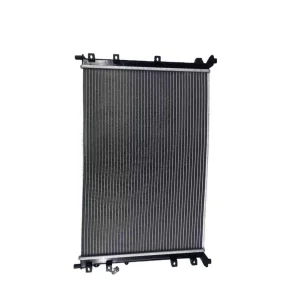
Liquid and forced-air cooling interfaces, coupled with robust radiator structures, keep the battery pack within its optimal temperature range (15°C to 35°C), preventing localized thermal runaway.
Exploring next-generation technologies: wireless BMS networks, edge AI diagnostics, and solid-state battery integration.
Next-generation architectures are moving toward wireless networks to interconnect battery cells. Eliminating internal communication wiring harnesses reduces overall pack weight by up to 15% and simplifies assembly. This design also removes common failure points associated with connector vibration.
Integrating machine learning algorithms into edge processors allows for real-time monitoring of cell degradation patterns. By comparing local cell data with cloud-based battery performance models, the system can project potential thermal events before they manifest physically.
Solid-state battery chemistries introduce unique pressure and expansion characteristics during charging cycles. Future BMS designs must adapt to these physical changes by integrating thin-film pressure sensors alongside traditional voltage and temperature monitoring systems.
Technical Outlook: Transitioning toward predictive maintenance models will extend battery life, allowing fleet operators to maximize the residual value of battery assets for second-life applications.
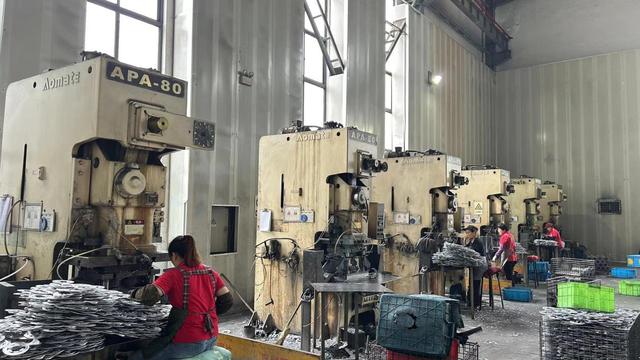
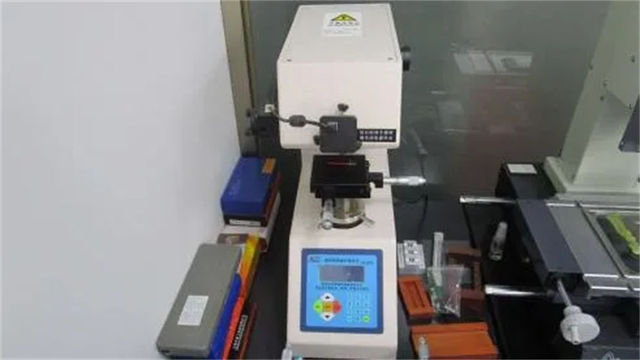
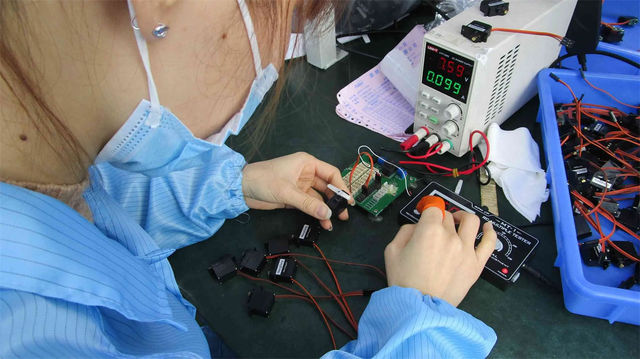
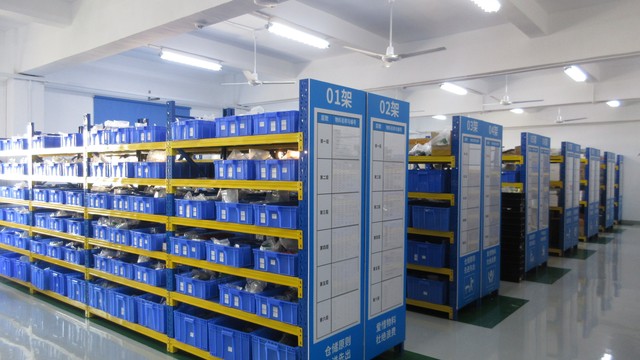
Take a look inside DCI Autos' 28,000 square meter facility, featuring automated production and high-voltage testing systems.


Answers to common engineering and regulatory questions regarding vehicle battery systems.
Essential high-voltage components designed to support complete system integration and vehicle assembly.
 DCI Autos