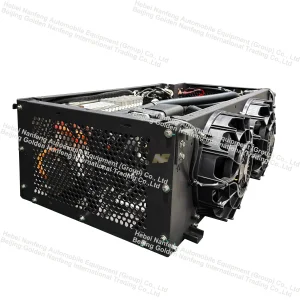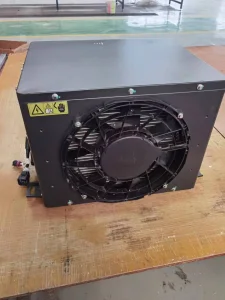
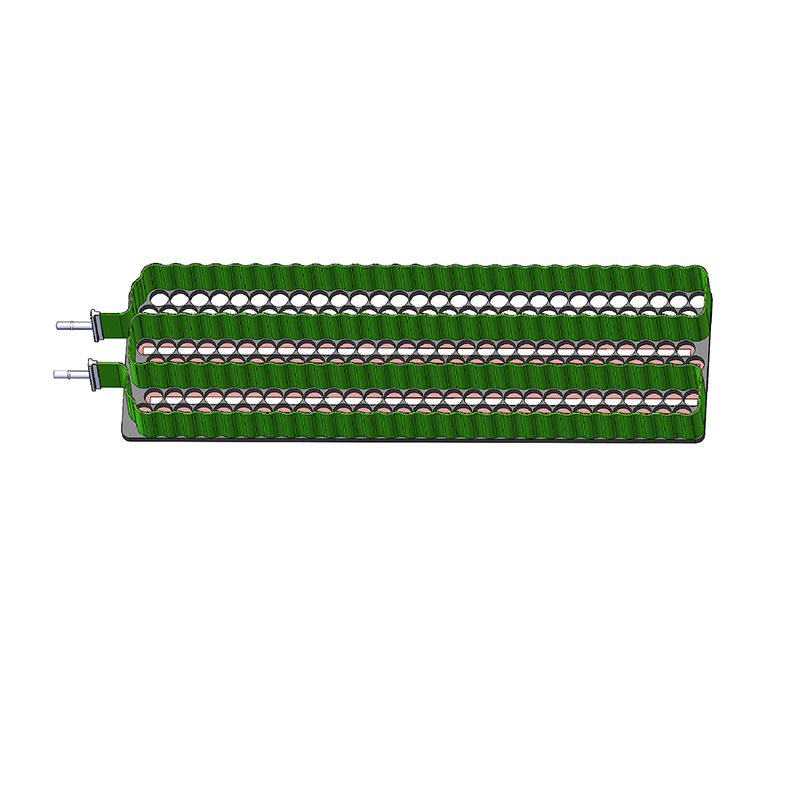
Factory Price Battery Thermal Management System with Ec Certificate

Still deciding? Get samples of $ !
Order Sample

Product Description

Basic Info.

Model NO. battery thermal management system
Certification RoHS
Application Oil Cooler, Water Chiller, Industrial Aircondition
Principle Liquid Cooling or Other Custom Cooling Solutions
Style OEM
Material Aluminum/Copper
Dimension(L*W*H) Max. 2000*1000*1000 mm
Type Battery Thermal Management System
Cooling Capacity 1 to 10 Kw
Weight (Kg) 5
Cooling Method Liquid Cooling or Other Custom Cooling Solutions
Coolant Material Water, Glycol, Refrigerant, or PCM, etc.
Key Selling Points Energy Saving
Total System Weight Below 60 Kgs
Condition New
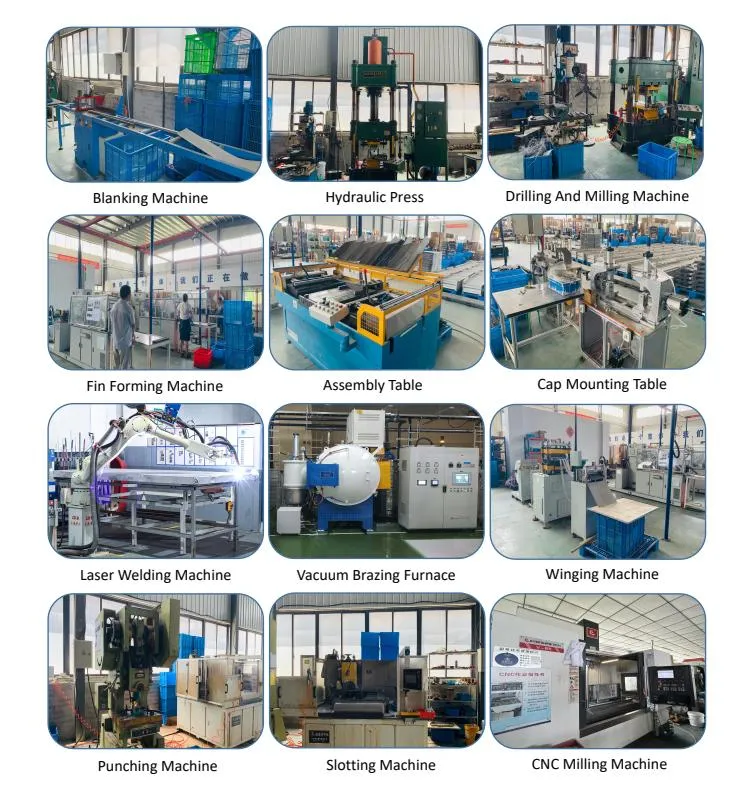
Main Technique Vacuum Brazing & Arc Welding
Transport Package Plywood Case
Specification 2000*1000*1000(mm)

Packaging & Delivery

Package Size 300.00cm * 200.00cm * 200.00cm
Package Gross Weight 15.000kg

Product Description

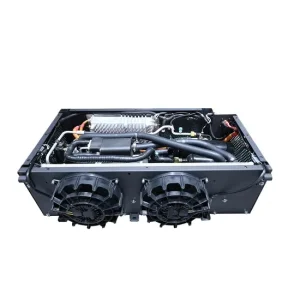
Battery Thermal Management System
Divider Header
Product Name Battery thermal management system
Dimension Max. 2000*1000*1000 mm
Material Aluminum alloy or copper for cooling elements
Cooling capacity 1 to 10 KW
Cooling method Liquid cooling or other custom cooling solutions
Coolant material Water, glycol, refrigerant, or PCM, etc
Total System weight Below 60 kgs
Divider Info

A Battery Thermal Management System, or BTMS, helps to maintain a battery pack at its optimal temperature range of 20° to 45° C regardless of ambient temperature. For each vehicle design, the required performance and cycle life of the battery pack will be considered to determine the specific set point for the battery pack temperature.

Our Battery Thermal Management System is a complete thermal system solution that maintains the critical operating temperature ranges of vehicle batteries. Design solutions are available for both active and passive cooling circuits.
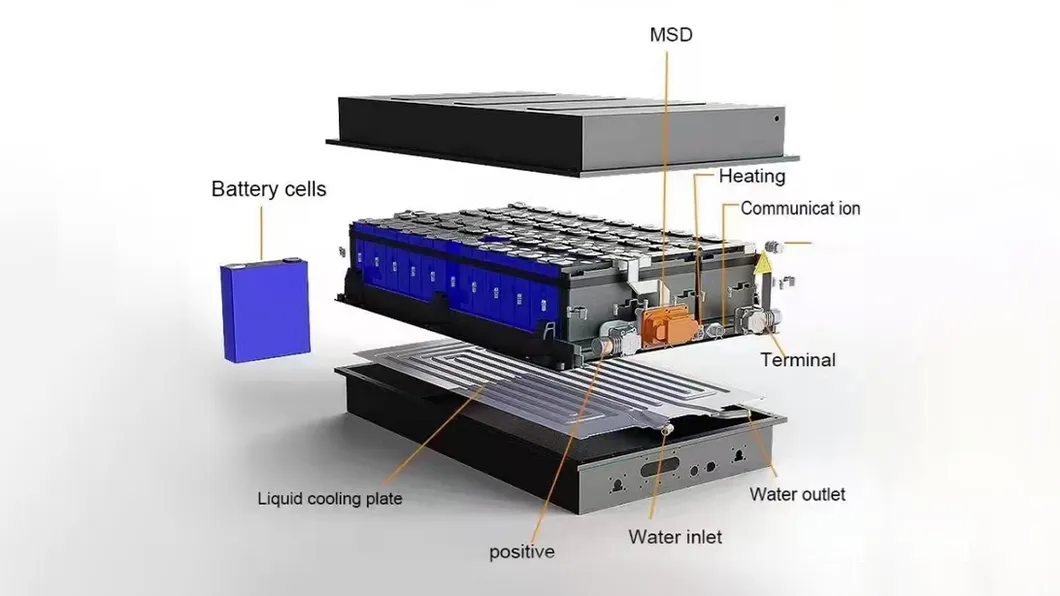
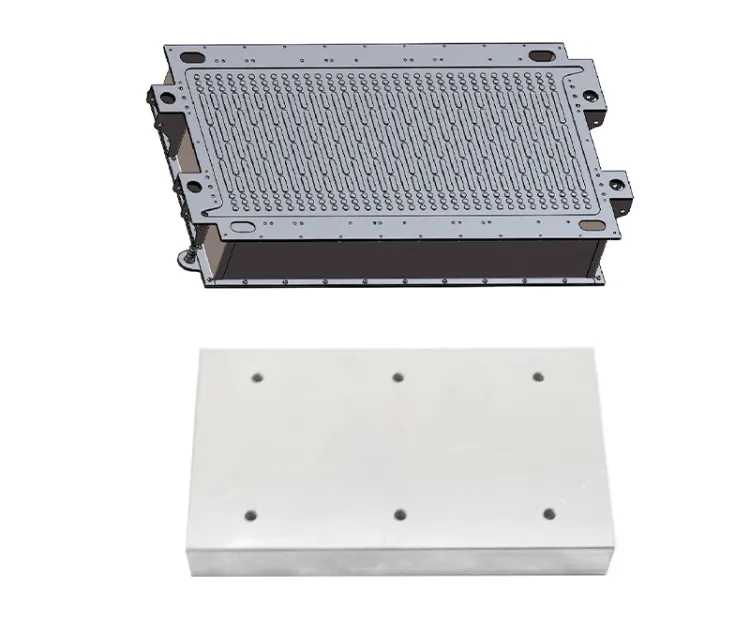
  • Standard packaging or customized solutions available.
  • Field proven patented master controls system.
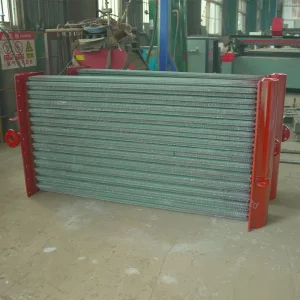
  • Specialized battery radiator and condenser specifically designed for BTMS applications.
  • 2 - 10 kW cooling (typically 6 kW at 45ºC ambient).
  • 6 kW passive cooling (10ºC ETD).
  • 2 - 12 kW electric heating down to -20ºC coolant temperature.
  • Total system weight < 60 kg.
  • Operates native vehicle voltages.
  • HV: 400 - 800 VDC.
  • LV: 12 or 24 VDC option.
BTMS Diagram
Thermal Management Flow

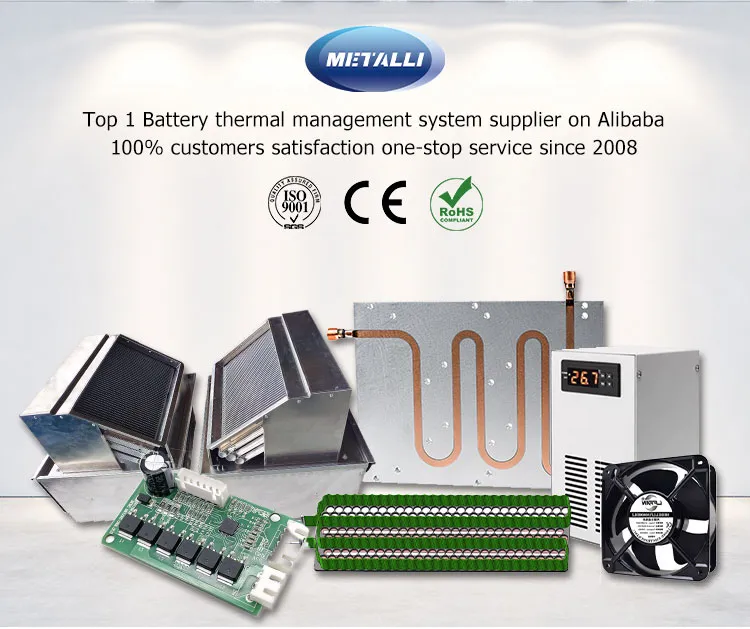
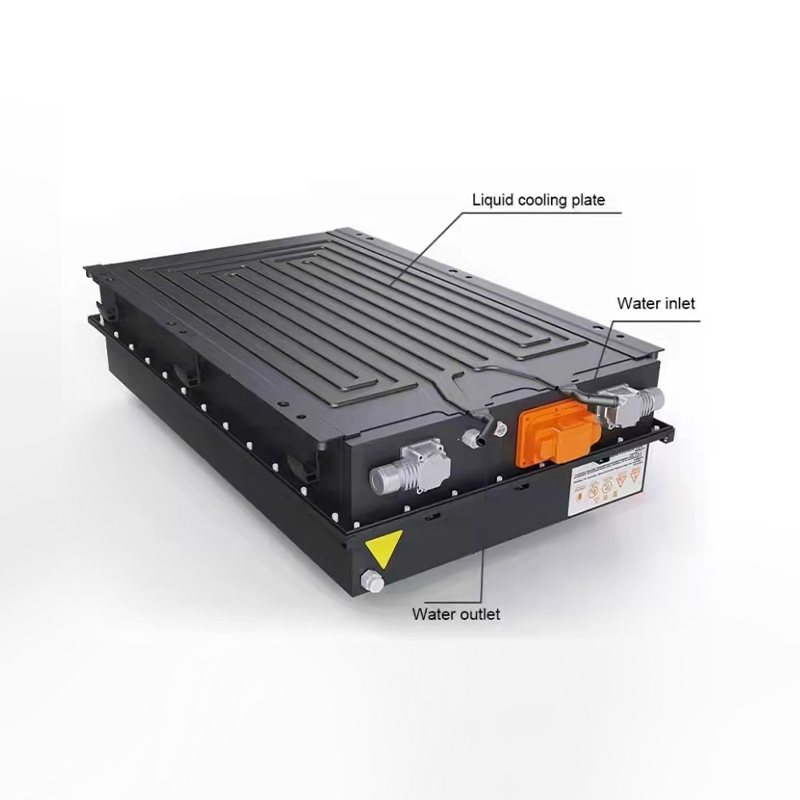
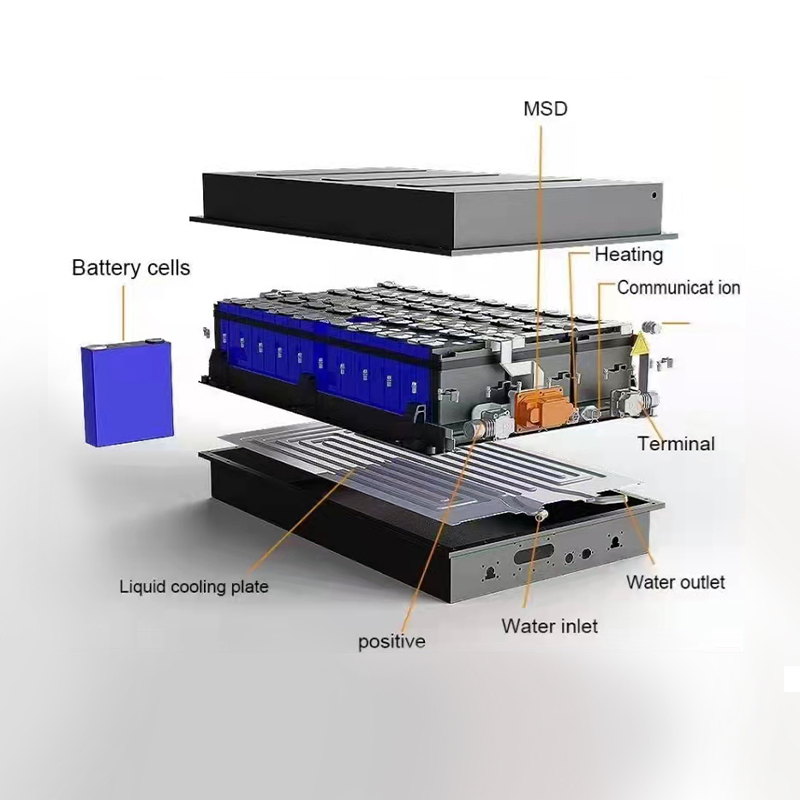
The battery thermal management system's main elements include:
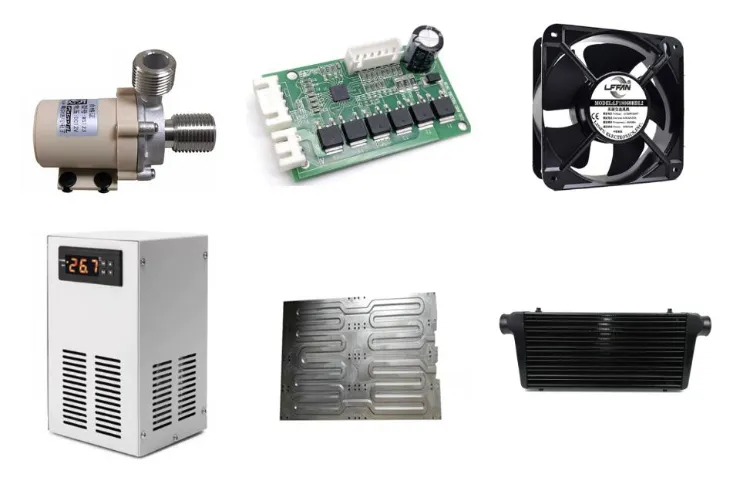
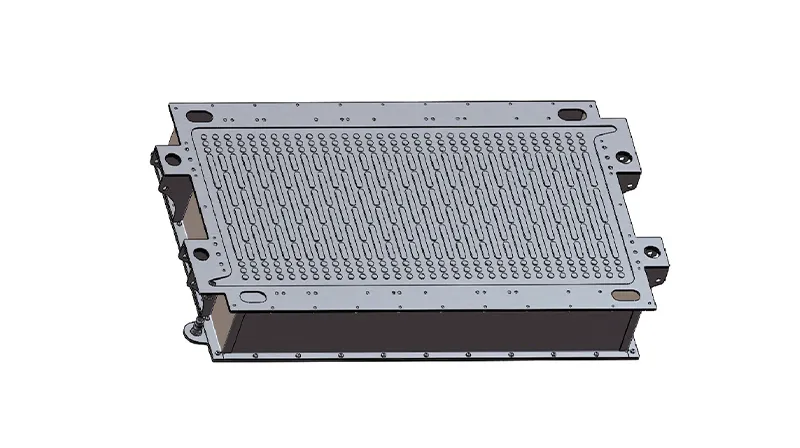
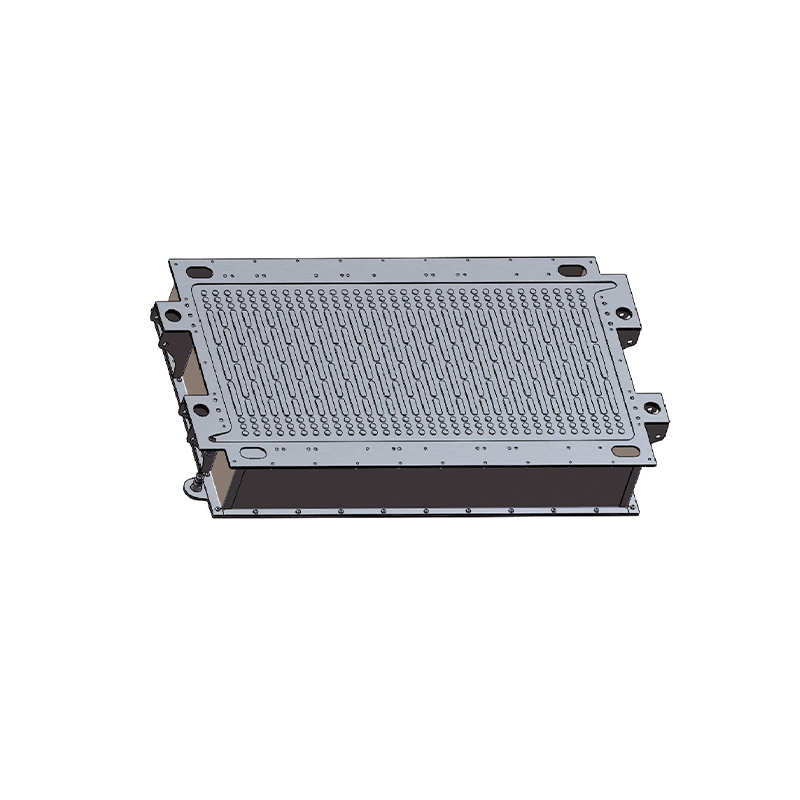
  • 1. Cooling plate
  • 2. One chiller unit
  • 3. Or one radiator with fan and pump
  • 4. Controller (temperature or flow rate control)
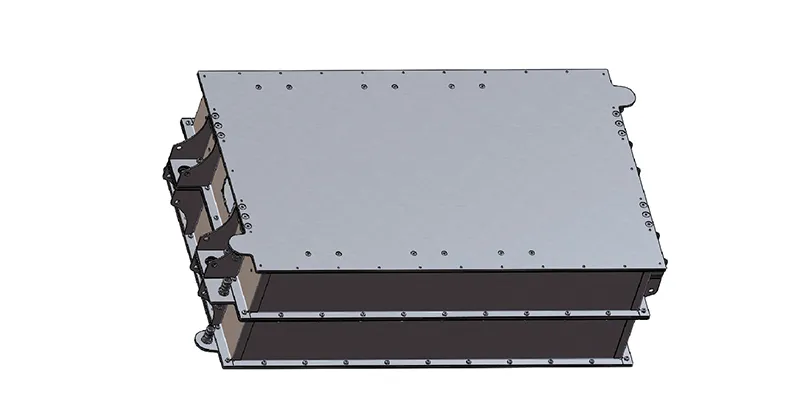
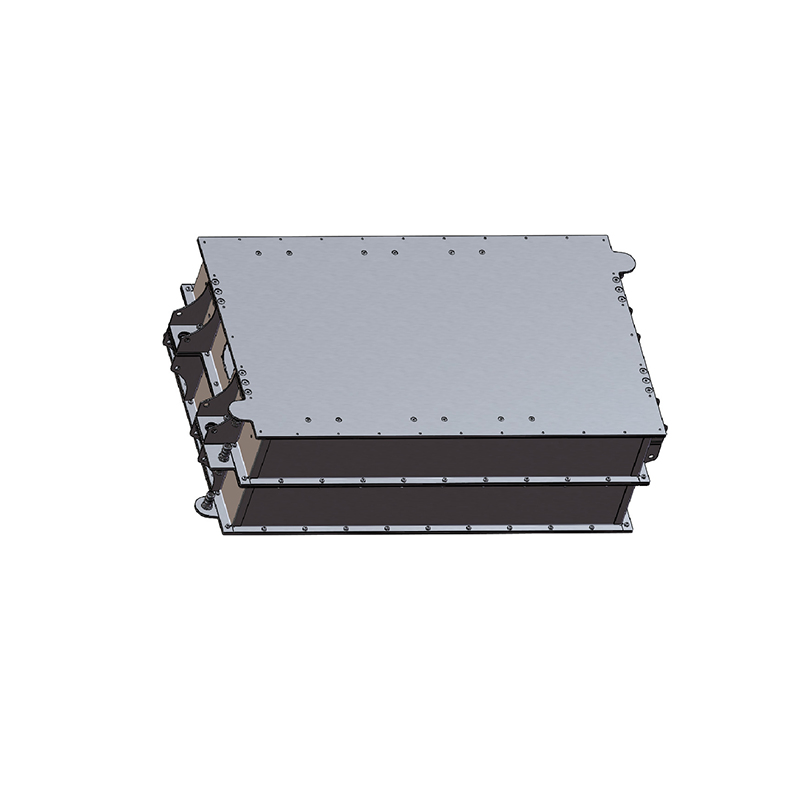
  • 5. Other value-added accessories like hose, connector clamp, housing, valve, etc.
BTMS System Components

This battery thermal management system applies the best solution to solve thermal management, below are typical types:

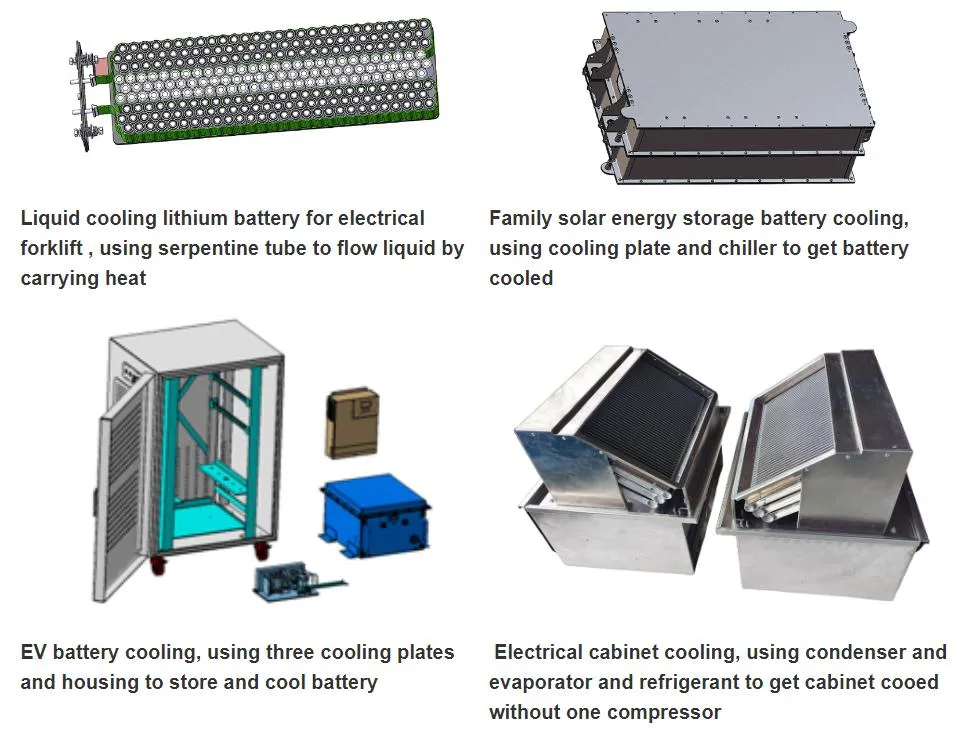
  • 1. Air cooling, main elements include fan and heat sink
  • 2. Liquid cooling, main elements include cooling plate, radiator, fan, pump and controller device
  • 3. Liquid cooling, main elements include cooling plate, chiller and controller device
  • 4. 2 phase change cooling, main elements include cooling plate, condenser
  • 5. Refrigerant cooling, main elements include cooling plate, condenser and compressor
  • 6. Other custom solutions like immerse cooling
Divider Graphic
BTMS System Layout
Divider Graphic
BTMS Schematic
Divider Graphic

Frequently Asked Questions (FAQ)

Q1: What is the optimal temperature range for the Battery Thermal Management System?
A1: The system is designed to maintain the battery pack within its optimal operating temperature range of 20°C to 45°C, regardless of the ambient environmental temperature.
Q2: What cooling methods are supported by this thermal management system?
A2: The system supports various cooling methods, including air cooling, liquid cooling (with radiator/fan/pump or chiller), two-phase change cooling, refrigerant cooling, and other customized solutions like immersion cooling.
Q3: What are the main components of the liquid cooling setup?
A3: The main elements include a cooling plate, a chiller unit (or a radiator with a fan and pump), a controller for temperature or flow rate, and accessories such as hoses, connector clamps, housing, and valves.
Q4: What voltage options does the system support?
A4: The system operates on native vehicle voltages. High Voltage (HV) options range from 400 to 800 VDC, and Low Voltage (LV) options are available in either 12 or 24 VDC.
Q5: What materials and techniques are used to manufacture the cooling elements?
A5: The cooling elements are constructed from premium aluminum alloy or copper, utilizing high-precision vacuum brazing and arc welding as the main manufacturing techniques.
Q6: What is the total system weight and cooling capacity range?
A6: The total system weight is designed to be below 60 kg, and it offers a cooling capacity ranging from 1 to 10 kW to meet different application demands.

Related Products