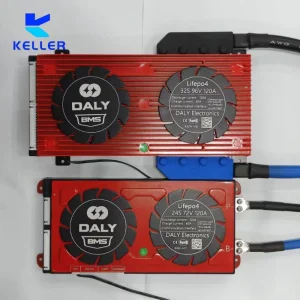
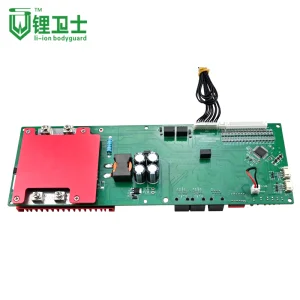
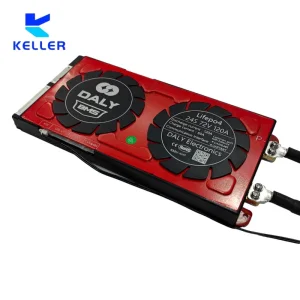
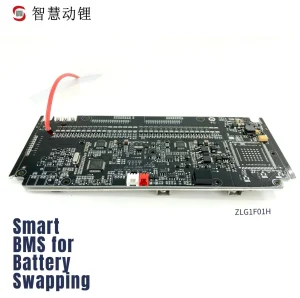
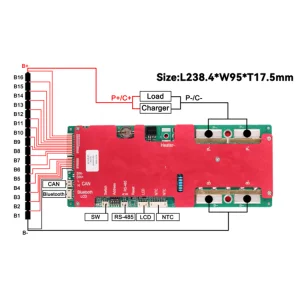
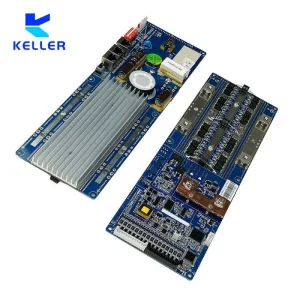
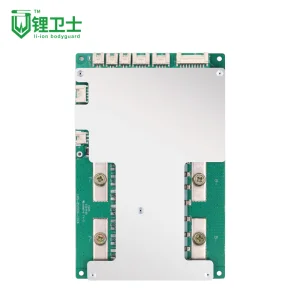
As the Russian Federation accelerates its transition toward green mobility and localized energy storage solutions, the demand for sophisticated Battery Management Systems (BMS) within the Moscow market has reached an unprecedented peak. Moscow, serving as the central hub for technological innovation and industrial manufacturing, requires BMS solutions that are not only efficient but also resilient to extreme climatic conditions. This whitepaper explores the synergy between Shenzhen DCI Autos Co., Ltd.—a pioneer in EV component manufacturing—and the specific procurement needs of Moscow-based enterprises.
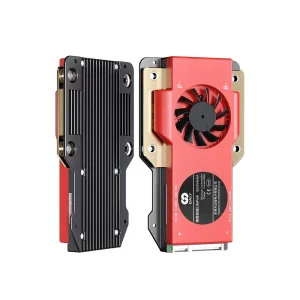
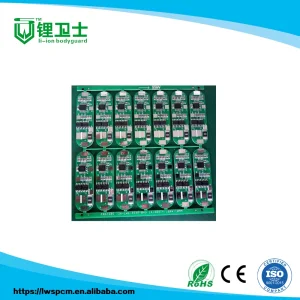
Modern BMS technology is the "brain" of any lithium-ion battery pack, managing State of Charge (SOC), State of Health (SOH), and thermal equilibrium. For the Moscow market, where winter temperatures often drop below -20°C, the BMS must integrate advanced low-temperature heating management and high-precision monitoring to ensure safety and longevity in electric buses, AGVs, and industrial energy storage systems (ESS).
Optimized algorithms for sub-zero performance and thermal control.
Meeting the strict technical regulations of the Eurasian Economic Union.
Support for heavy-duty industrial machinery and public transit.
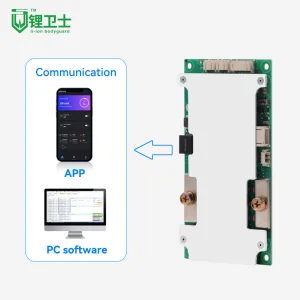
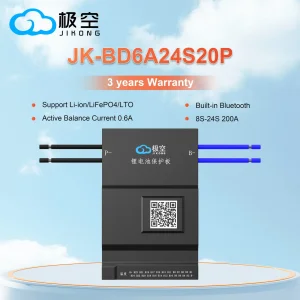
RS485, CANbus, and Bluetooth integration for remote monitoring.
The Moscow Industrial Zone has seen a 40% increase in the adoption of electric light-duty vehicles (e-LDV) and autonomous mobile robots (AMR) in the logistics sector. This surge is driven by federal subsidies and the "Clear Air" project. For manufacturers in Moscow, sourcing BMS from a reliable global partner like Shenzhen DCI Autos Co., Ltd. provides a significant Information Gain and competitive advantage. Our systems offer localized firmware that supports Russian interface options and Russian-standard communication protocols.
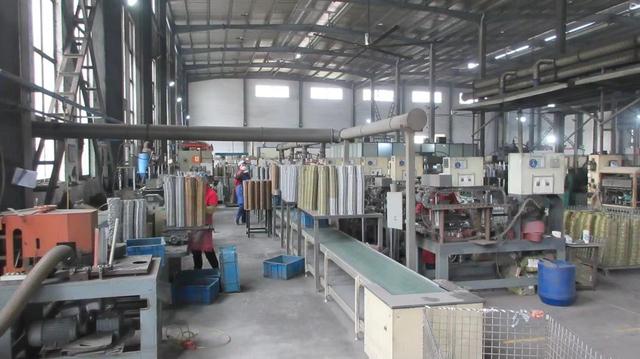
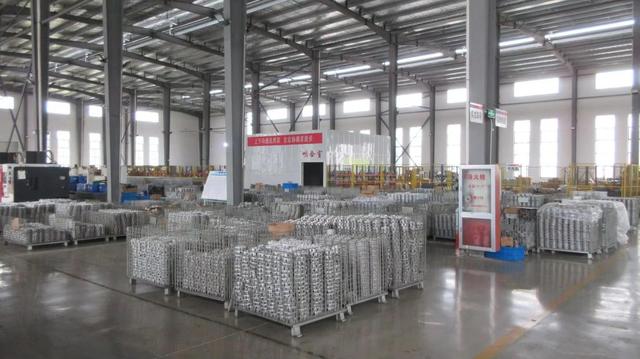
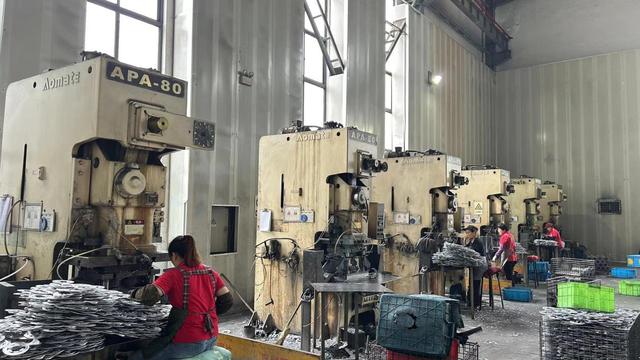
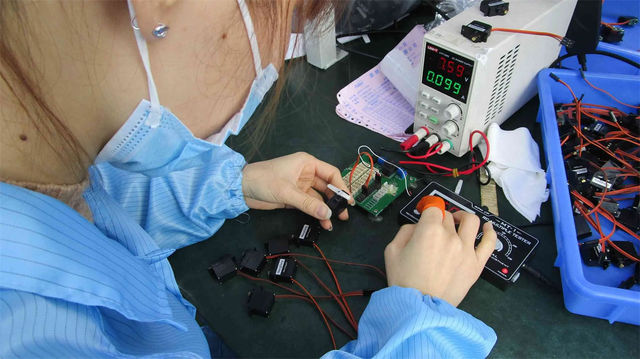
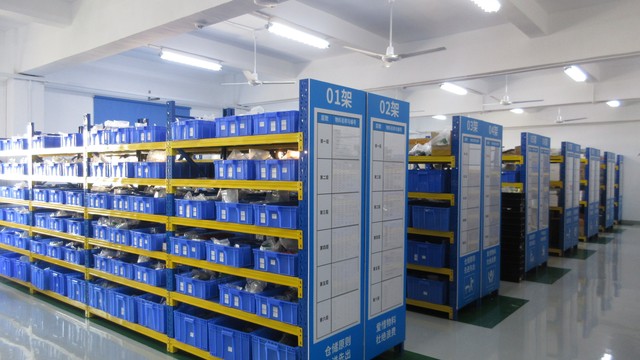
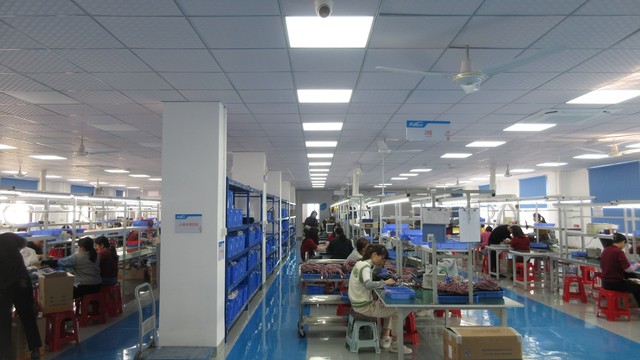
Advanced Production Area
Expert Engineering Team
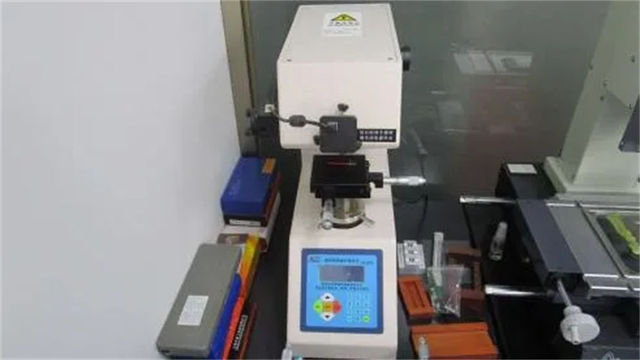
Quality Testing & Validation
Moscow Support Response
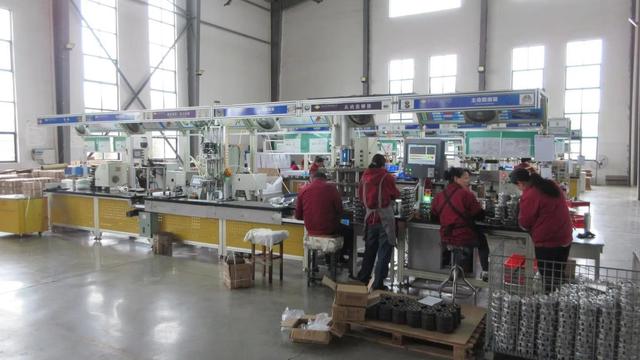
Shenzhen DCI Autos Co., Ltd., established in 2014, has grown into a cornerstone of the electric vehicle component industry. From our 28,000 square meter facility in Shenzhen, we orchestrate the design and production of high-protection BMS that meet global automotive standards.
Our commitment to E-E-A-T (Experience, Expertise, Authoritativeness, and Trustworthiness) is reflected in our rigorous ISO certifications and our long-standing history of supplying the European and North American markets. For Moscow-based buyers, this translates to a stable supply chain, predictable lead times, and products that have been battle-tested in diverse environments.
Entering the Moscow market requires more than just high-quality hardware. It requires a deep understanding of the regulatory and operational environment. At DCI Autos, we ensure that our BMS products are designed with the following localized benefits:
In Moscow, battery capacity can drop significantly in winter. Our BMS features advanced "Self-Heating" trigger mechanisms. When the ambient temperature is too low, the BMS directs the charging current to a heating film until the battery core reaches a safe charging temperature, preventing lithium plating and permanent damage.
Many Moscow industrial systems utilize legacy protocols. Our engineering team provides custom protocol mapping to ensure our BMS communicates seamlessly with Russian-made inverters and motor controllers.
With the "Belt and Road" initiative, shipping from Shenzhen to Moscow has become more efficient. We provide full support for customs documentation, ensuring that your import process is as smooth as possible, minimizing lead times to the Greater Moscow area.
The next generation of BMS in the Russian market will focus on Cloud-Based Monitoring (IoT) and Active Balancing. As Moscow moves toward "Smart City" integration, the ability to monitor a fleet of 1,000+ electric vehicles in real-time becomes critical. DCI Autos is currently developing AI-driven predictive maintenance modules that can alert Moscow fleet managers of a potential cell failure 48 hours before it occurs.
Active balancing technology is also becoming a requirement for high-capacity energy storage systems, as it transfers energy from high-voltage cells to low-voltage cells rather than wasting it as heat—increasing the overall efficiency of Moscow’s local power grids.
Yes. Our BMS units designed for the Moscow market include optional low-temperature cut-off and integrated heating control. They are tested to operate in temperatures as low as -40°C with proper insulation and heating configurations.
We support all major industry standards including CAN2.0B, RS485, RS232, and Bluetooth. We can also customize communication protocols to match specific Russian industrial equipment requirements.
Production usually takes 10-15 days depending on the order volume. Shipping via rail or road through the Eurasian corridor typically takes 20-30 days to reach Moscow customs.
We provide comprehensive technical documentation in English (and can provide Russian upon request), as well as remote video support from our Shenzhen engineering team during your initial integration phase.
Yes, we have specialized hardware and firmware for LiFePO4, Li-ion (NMC), and LTO (Lithium Titanate). LTO is particularly popular in Moscow for extreme cold performance, and our BMS is optimized for its unique voltage curves.
Ready to optimize your battery project in Moscow?
Contact Our Technical Sales Team DCI Autos