Leading high-voltage systems, integrated power converters, and safety-critical mechanical elements engineered for long-term operational durability.

The global shift toward high-level autonomous driving (L3 through L5) requires a radical reconstruction of vehicular hardware. Beyond the perception layers—such as LiDAR, radar, and HD cameras—the true bottlenecks for scaling autonomous fleets lie in the underlying physical and power architectures: thermal stability, dynamic power management, and noise-free signal distribution. Without high-efficiency thermal regulation and integrated high-voltage power networks, the computing clusters required for real-time sensor fusion and path-planning algorithms cannot operate safely.
Shenzhen DCI Autos Co., Ltd. (est. 2014) operates at the vital nexus of this technological transition. With a modern 28,000 m² manufacturing plant and a team of over 300 automotive specialists, we specialize in high-voltage power integration, battery systems, precision chassis components, and thermal systems built to meet the rigorous safety demands of next-generation autonomous transit.
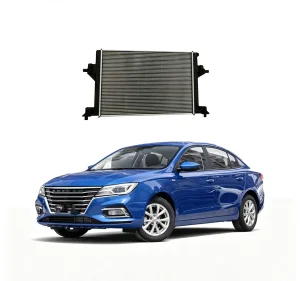
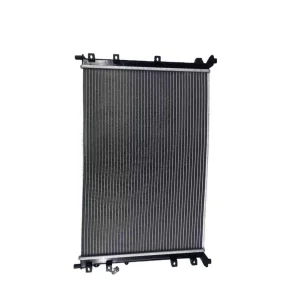
In autonomous vehicles, domain controllers generate immense heat loads, often exceeding several hundred watts. Under peak computational stress, thermal fluctuations can cause signal delays or complete hardware shutdowns. Consequently, advanced thermal management systems—such as our liquid-cooled bus battery systems and dynamic vehicle radiators—are no longer optional accessories; they are vital safety systems. Similarly, power conversion systems must transition to high-voltage architectures (up to 800V and above) to support rapid charging speeds and keep power losses to a minimum.
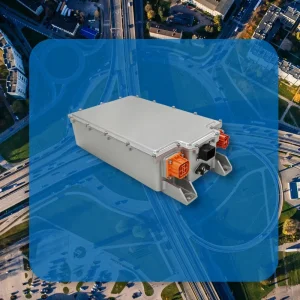
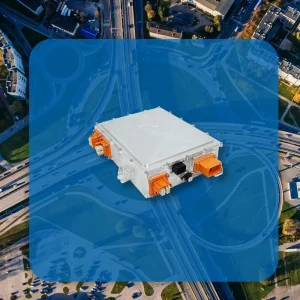
Our integrated systems convert high-voltage DC to low-voltage DC while managing AC power input, supporting V2G (Vehicle-to-Grid) interactions and stable output for vehicle ECUs.
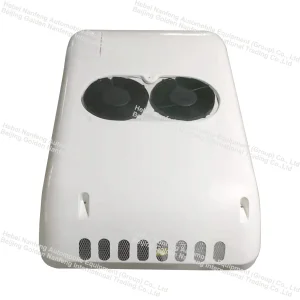
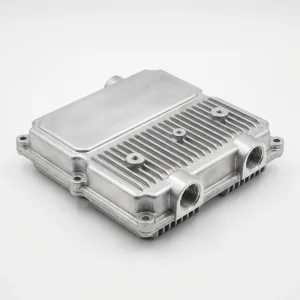
Liquid and forced-air cooling units engineered for commercial platforms (8-12m electric buses) maintain battery packs and ADAS domain computers within strict temperature windows.
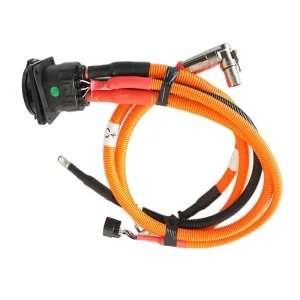
High-voltage wiring harnesses and specialized cable shielding designs prevent electromagnetic interference (EMI) from disrupting critical ADAS logic circuits.
A closer look at the infrastructure that powers our global export operations, customized OEM solutions, and automotive manufacturing output.
Shenzhen, China, is widely recognized as the global epicenter for electric vehicle and smart mobility development. This concentrated geographic ecosystem offers deep supply-chain integration, immediate access to advanced automotive electronics suppliers, and highly specialized tooling networks. At Shenzhen DCI Autos Co., Ltd., we leverage this strategic location to offer exceptional speed, precision, and cost efficiencies for global OEMs and tier-1 suppliers.
Developing components for autonomous platforms is a highly iterative process. Prototyping a lightweight chassis member, such as a custom aluminum die-casting crossmember, requires close cooperation between structural design engineers, foundry managers, and metallurgical testing labs. In the Shenzhen hub, these processes occur concurrently. Feedback loops that typically take weeks in other parts of the world are compressed into days, allowing us to fast-track product designs from the drawing board to physical vehicle testing.
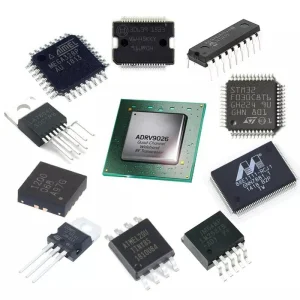
This ecosystem advantage is particularly evident in our electronic components production. Power management IC sourcing, high-frequency transformer winding, and high-voltage wiring harness assembly benefit from shared regional research and development, ensuring access to robust, heat-resistant, and EMI-shielded raw materials.
Our technologies scale across a wide variety of commercial and industrial applications:
A look inside Shenzhen DCI Autos' modern assembly lines, CNC machining bays, testing laboratories, and shipping terminals.
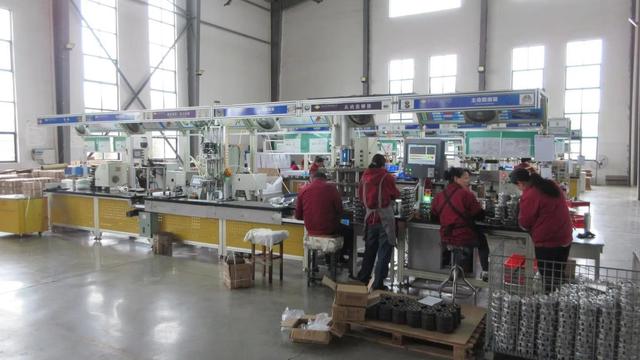
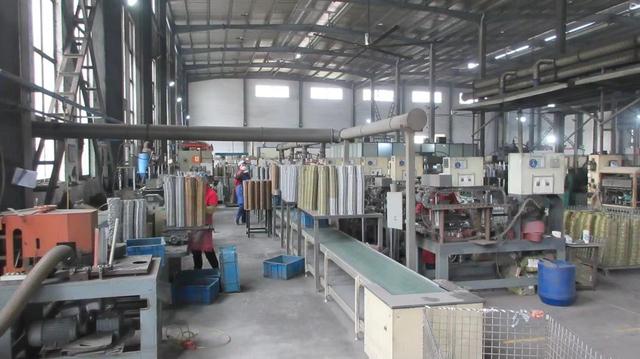
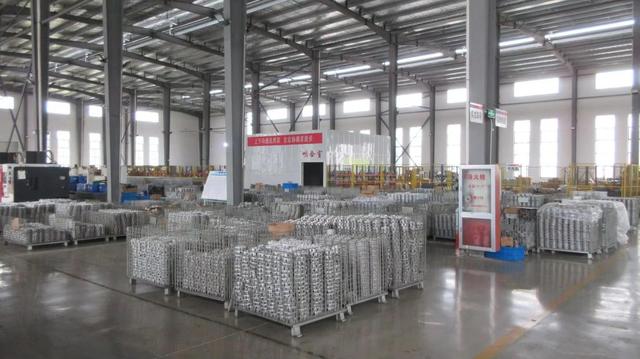
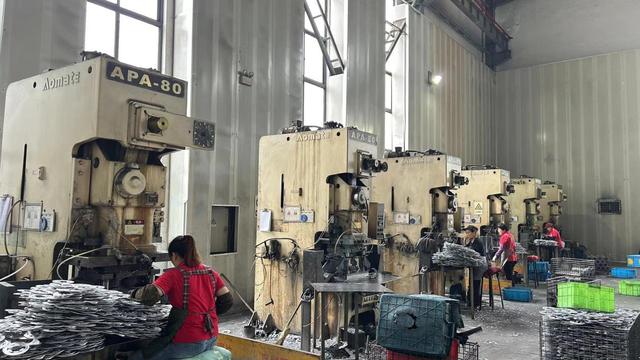
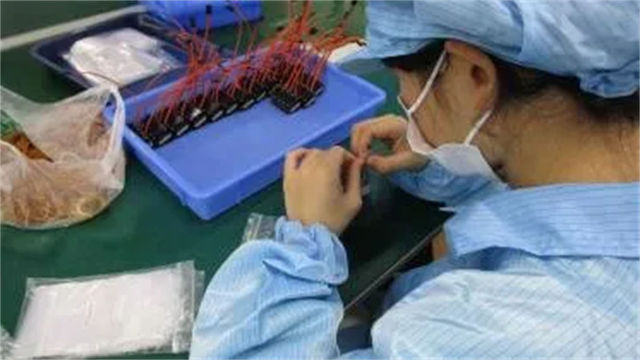
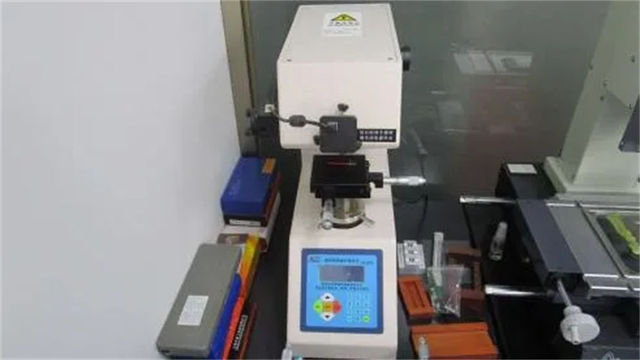
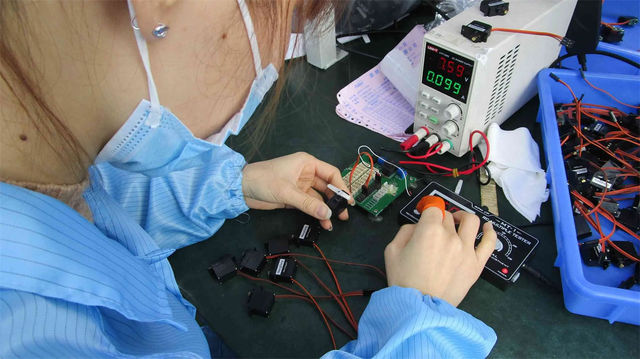
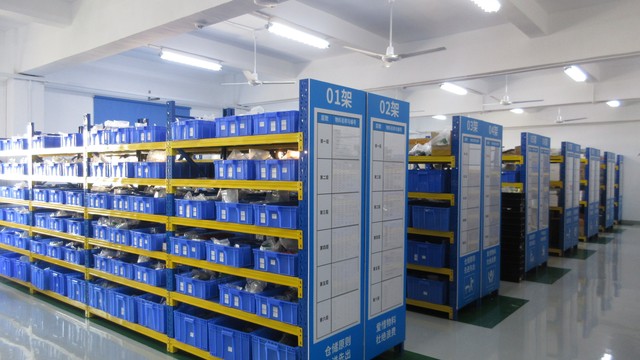
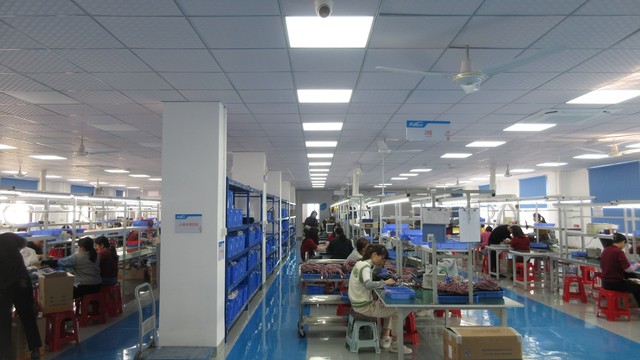
Purchasing components for automotive platforms requires rigorous testing, strict quality control, and verifiable proof of field reliability. DCI Autos holds international certifications that ensure our parts perform consistently under demanding real-world conditions, meeting the strict standards of tier-1 automotive buyers in North America, Europe, and Asia.
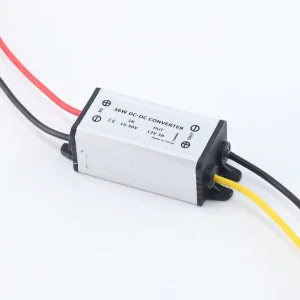
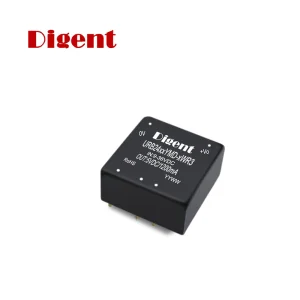
Any electronic power supply or wiring component used in passenger electric vehicles must comply with functional safety standards like ISO 26262. This framework ensures that electronic systems have built-in safety mechanisms to handle errors without creating safety hazards. For instance, in our 10W DC-DC converters, which handle ultra-wide input voltages up to 1500VDC, isolation barriers and redundant circuits protect downstream microcontrollers from dangerous voltage spikes. Every part of our manufacturing line adheres to IATF 16949 guidelines, giving global procurement teams confidence that our processes are highly repeatable and traceably documented.
As EV drivetrains switch to higher operating voltages (ranging from 400V to 800V systems), the electromagnetic fields generated by the main battery power lines can interfere with the low-voltage sensor systems used by ADAS hardware. High-voltage wiring harnesses must be shielded and grounded to prevent signal disruption. By using precision copper-tin shielding braids and high-temperature silicone insulations, we protect sensitive CAN-bus, Automotive Ethernet, and sensor coax cables from outside EMI, maintaining clean signals for critical camera and LiDAR data.
Detailed engineering answers to the most common technical questions asked by global automotive buyers, design engineers, and systems integrators.
Explore our secondary lineup of power modules, custom wiring assemblies, cooling parts, and high-efficiency converters designed for global export markets.
 DCI Autos