As the global economy transitions toward decarbonization, the reliability of energy storage becomes the bedrock of industrial stability. Battery Condition Monitoring (BCM) is no longer a luxury but a critical safety and performance requirement for Electric Vehicles (EVs), Energy Storage Systems (ESS), and Data Center UPS units. Modern BCM technologies allow operators to track real-time parameters such as State of Health (SoH), State of Charge (SoC), and State of Power (SoP), ensuring that thermal runaway events are prevented before they begin.
Mitigate the risk of lithium-ion fire hazards through precision voltage and temperature tracking at the cell level, meeting international UL 1973 and IEC 62619 standards.
Sophisticated monitoring algorithms can extend the operational life of high-voltage battery packs by 20-30% by balancing cell discharge and optimizing charging cycles.
Reduce Total Cost of Ownership (TCO) through predictive maintenance, moving from reactive repairs to data-driven asset management.
Shenzhen DCI Autos Co., Ltd. is a professional manufacturer specializing in electric vehicle components and advanced mobility technologies for the global automotive industry. Established in 2014, the company is headquartered in Shenzhen, Guangdong Province, a leading center for innovation in electric transportation and intelligent manufacturing.
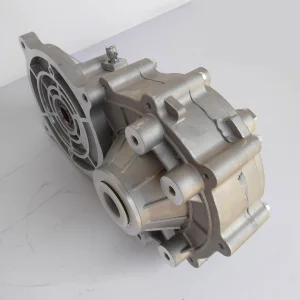
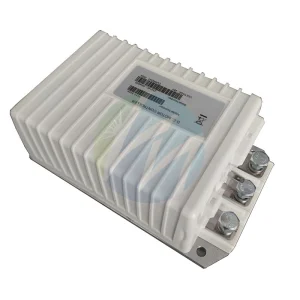
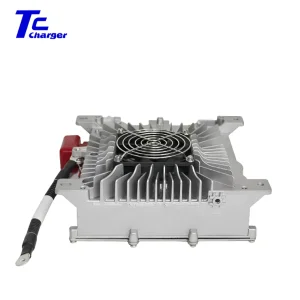
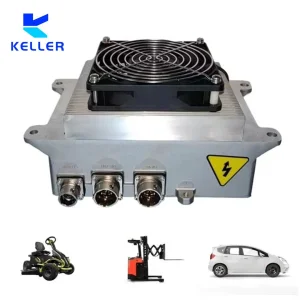
The company focuses on the development and production of battery systems, power electronics, electric drivetrain components, battery management systems (BMS), charging system components, thermal management solutions, high-voltage electrical assemblies, and integrated EV powertrain technologies. Its products are designed to support passenger vehicles, commercial electric vehicles, light-duty transportation platforms, and emerging mobility applications.
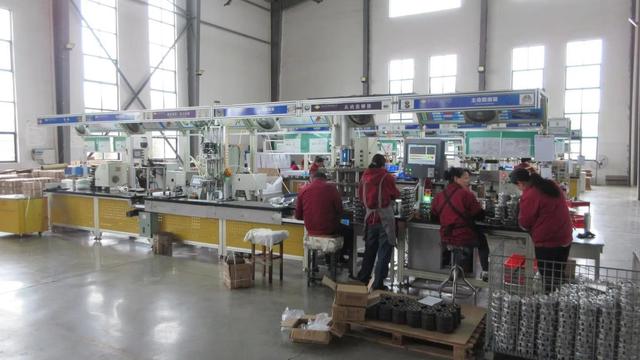
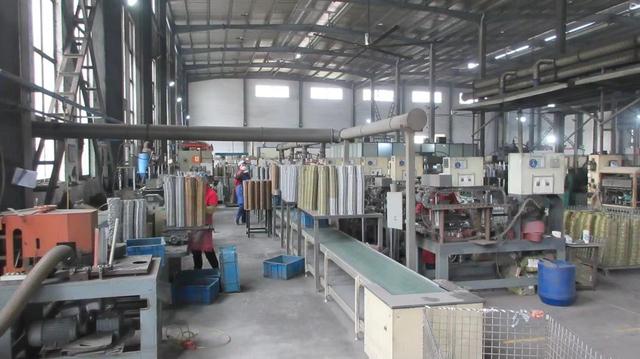
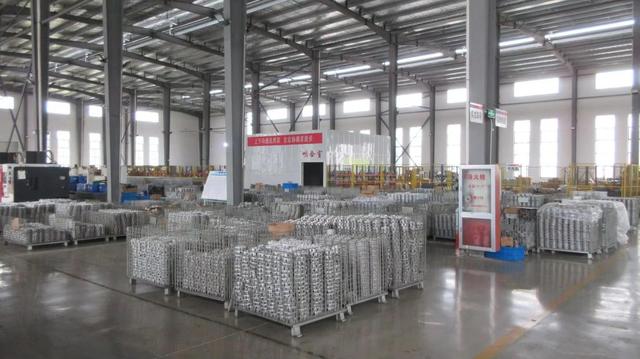
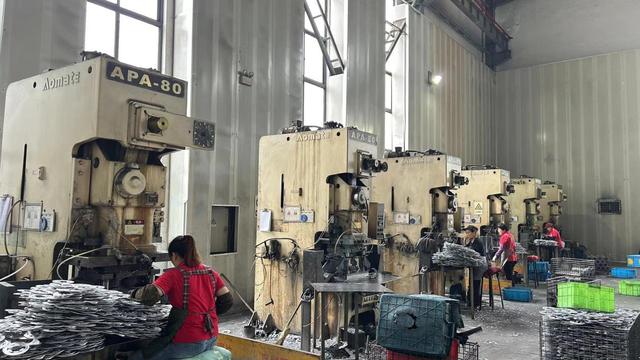
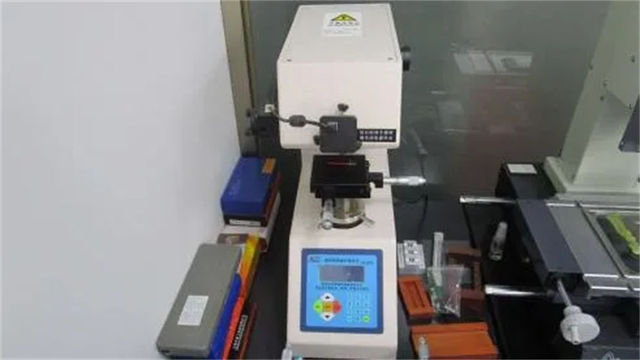
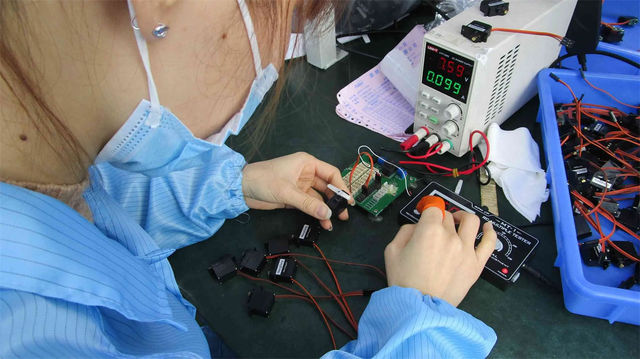
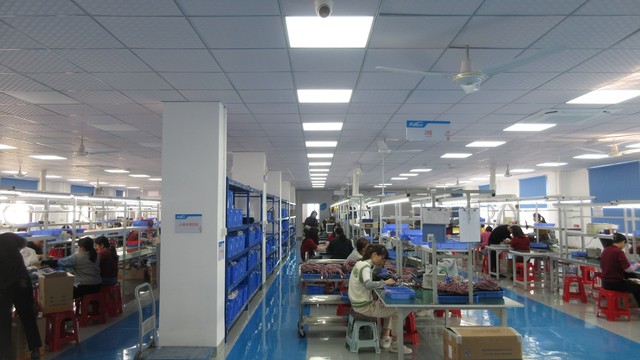
DCI Autos combines advanced manufacturing technologies, automated production equipment, and rigorous quality control procedures to ensure product reliability, efficiency, and long-term operational performance. The company operates dedicated engineering laboratories and testing facilities where products undergo extensive validation, environmental testing, and performance verification.

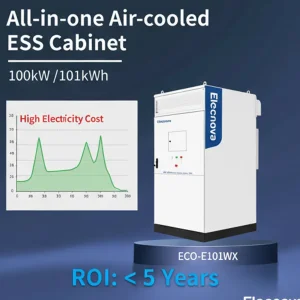
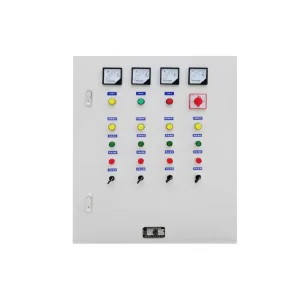
For large-scale ESS, we provide modular monitoring solutions that integrate with SCADA systems. Our systems detect impedance changes and prevent "hot spots" in containerized battery units, crucial for grid stability.
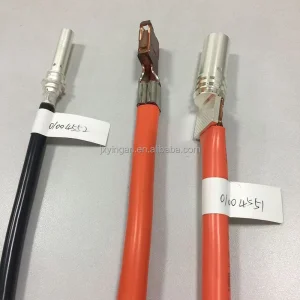
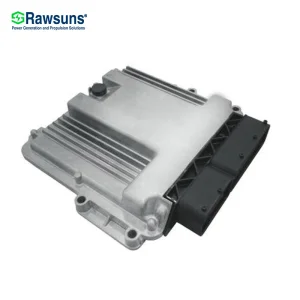
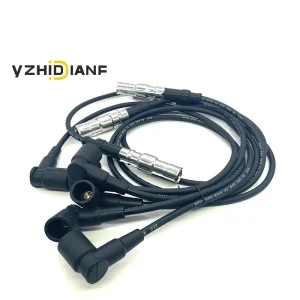
DCI Autos provides flexible OEM and ODM services for commercial fleet operators. From customized high-voltage wiring harnesses to integrated VCU (Vehicle Control Unit) kits, we enable the rapid conversion of diesel trucks to electric power.
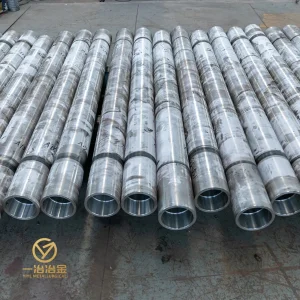
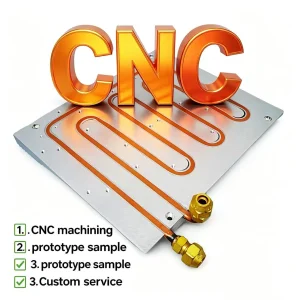
Modern battery packs require active cooling. Our liquid cooling plates (Cooper Tube/Aluminum 6061) are engineered for maximum heat dissipation, maintaining cell temperatures within the optimal 15°C to 35°C window.
Navigating the global regulatory landscape is a challenge. DCI Autos ensures that all battery condition monitoring systems comply with regional standards:
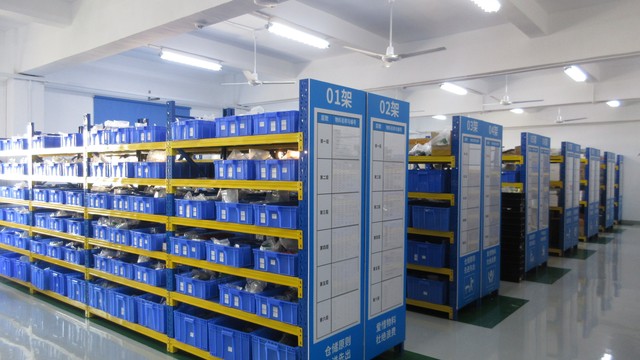
Through our localized supply chain support, we provide on-site integration training and 24/7 technical consulting for international partners across North America, Europe, and the Middle East.
The next frontier in battery monitoring is the shift from "Condition Monitoring" to "Intelligent Prognostics." Shenzhen DCI Autos Co., Ltd. is investing heavily in:
Processing critical safety data at the edge (on-vehicle) while uploading longitudinal health data to the cloud for deep learning-based degradation modeling.
Preparing monitoring sensors capable of handling the unique pressure and thermal profiles of next-generation solid-state electrolytes.
Eliminating heavy wiring harnesses through secure RF communication between battery modules, reducing vehicle weight and assembly complexity.
 DCI Autos