As the global automotive landscape pivots towards total electrification, the demand for CE Certified Smart Charging Technologies has transcended beyond simple power delivery. Modern charging ecosystems now require a sophisticated convergence of IoT connectivity, dynamic load balancing, and high-tier safety protocols. In this white paper, we explore how Shenzhen DCI Autos Co., Ltd. is leading this transition by integrating advanced power electronics with intelligent software frameworks to serve the most demanding international markets.
Sqm Facility
Established
Global Experts
CE Compliance
The future of the grid relies on Vehicle-to-Grid (V2G) technology. By allowing EVs to return energy to the power lines during peak demand, chargers become active nodes in a decentralized energy network. DCI Autos is pioneering high-efficiency conversion modules to support this bi-directional flow.
To prevent grid overload in multi-tenant or commercial charging hubs, Smart Load Balancing algorithms are essential. Our solutions utilize real-time data to distribute power intelligently across dozens of charging points without exceeding site capacity.
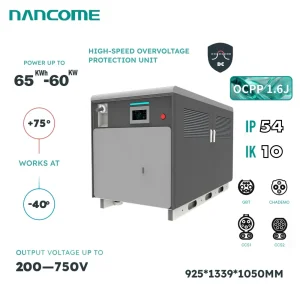
With the rise of OCPP 2.0.1, security is paramount. We implement advanced encryption and TLS 1.3 standards to protect user data and financial transactions, ensuring that every charging session is as secure as a bank transfer.
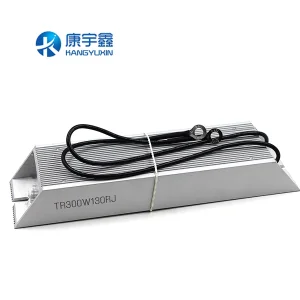
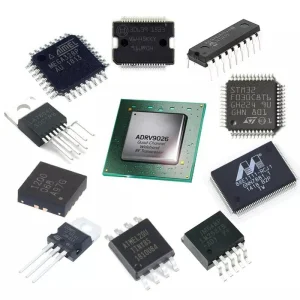
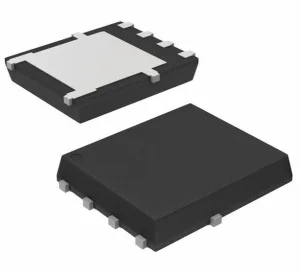
Innovation at DCI Autos follows a rigorous technical roadmap focused on high-density power modules and wide-bandgap (WBG) semiconductors like Gallium Nitride (GaN) and Silicon Carbide (SiC). These materials allow our 4800W brake resistors and power management ICs to operate with 98%+ efficiency, reducing heat dissipation and footprint.
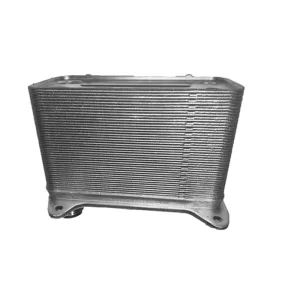
Our engineering laboratory, spanning thousands of square meters, is dedicated to validating Thermal Management Solutions. Whether it’s aluminum battery coolers for high-performance sedans or liquid-cooled charging cables for ultra-fast DC stations, our thermal engineering ensures longevity in extreme climates from the Arctic to the Sahara.
For international buyers, the challenge is not just sourcing a product, but ensuring it meets local grid codes and safety regulations. CE Certification is the baseline for the European market, covering Low Voltage Directive (LVD), Electromagnetic Compatibility (EMC), and the Radio Equipment Directive (RED) for networked chargers.
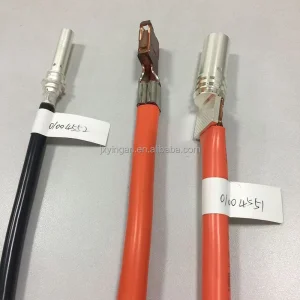
Customized high-voltage cable assemblies and wiring harnesses designed to meet NEC Article 625 and UL 2594 standards for the US and Canadian markets.
Full compliance with AFIR (Alternative Fuels Infrastructure Regulation) and OCPP integration for interoperability across EU roaming networks.
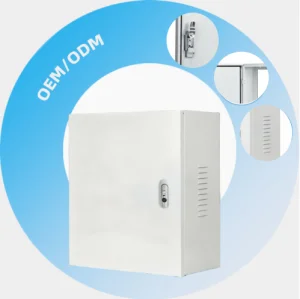
Robust IP54/IP65 ingress protection for stainless steel distribution boxes, ensuring reliability in tropical humidity and desert dust conditions.
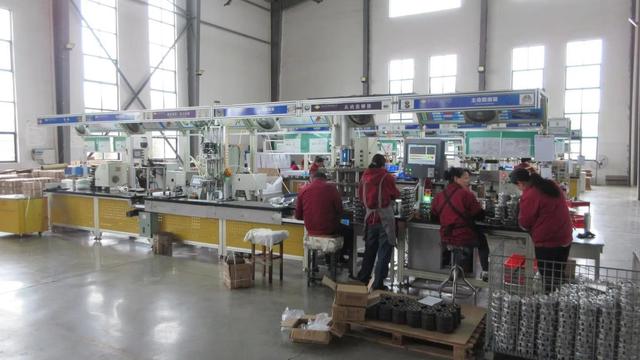
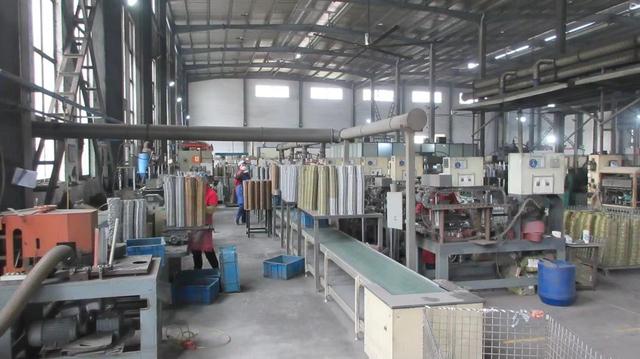
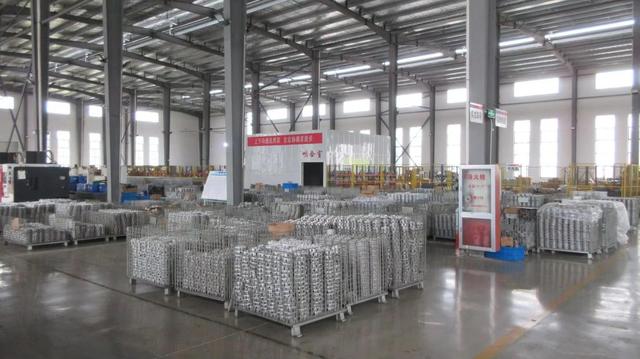
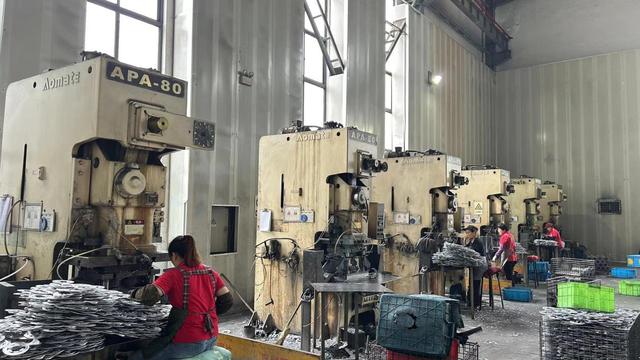
Shenzhen DCI Autos Co., Ltd. is a professional manufacturer specializing in electric vehicle components and advanced mobility technologies for the global automotive industry. Established in 2014, the company is headquartered in Shenzhen, Guangdong Province, a leading center for innovation in electric transportation and intelligent manufacturing. Operating from a modern production facility covering 28,000 square meters and supported by more than 300 employees, DCI Autos has developed comprehensive capabilities in engineering, manufacturing, testing, and international supply chain support.
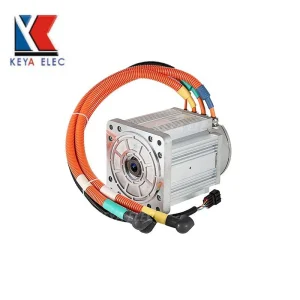
The company focuses on the development and production of battery systems, power electronics, electric drivetrain components, battery management systems (BMS), charging system components, thermal management solutions, high-voltage electrical assemblies, and integrated EV powertrain technologies. Its products are designed to support passenger vehicles, commercial electric vehicles, light-duty transportation platforms, and emerging mobility applications.
To meet the evolving requirements of the electric mobility sector, DCI Autos provides flexible OEM and ODM services, including customized component development, private-label manufacturing, system integration support, and application-specific engineering solutions. Its research and development team continuously explores innovations in electrification, energy management, lightweight design, and intelligent vehicle systems.
 DCI Autos