DCI Autos
1 / 5
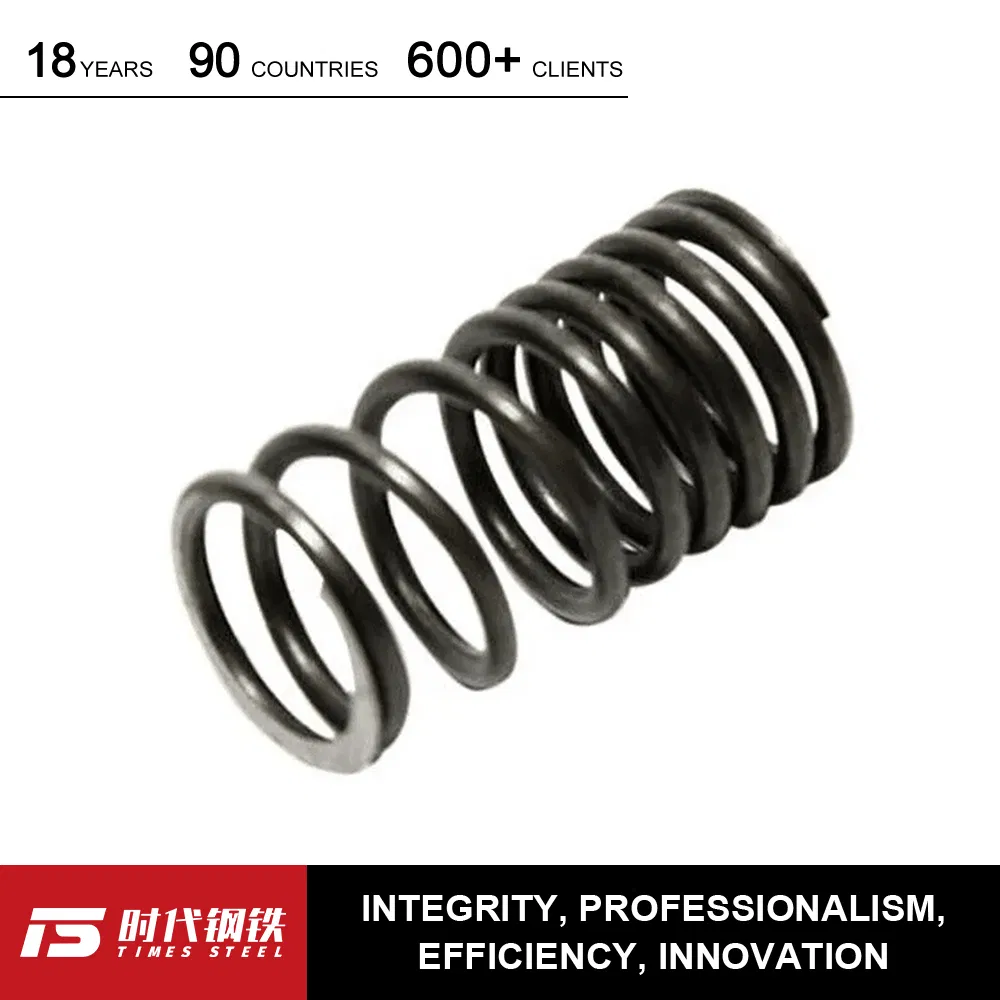
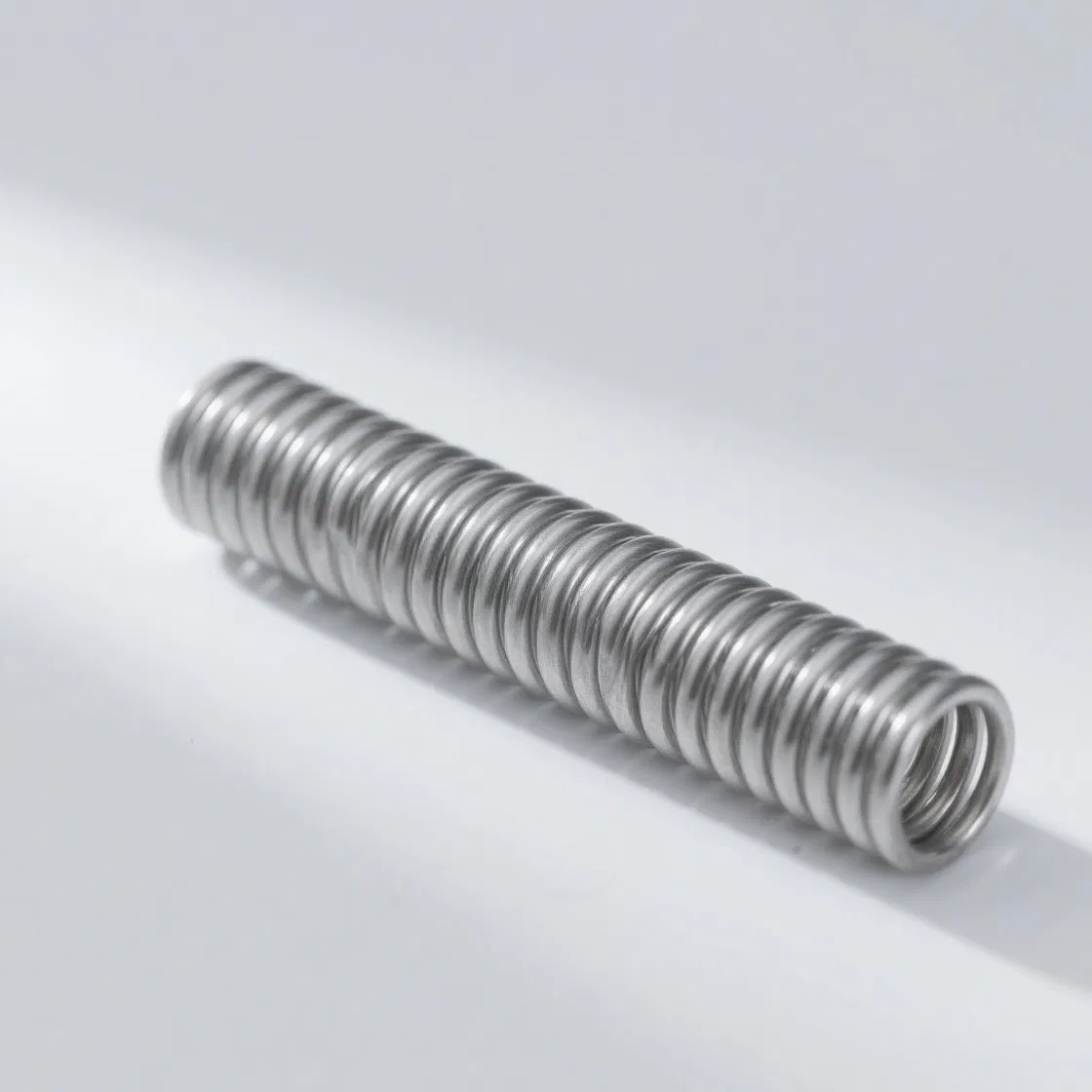
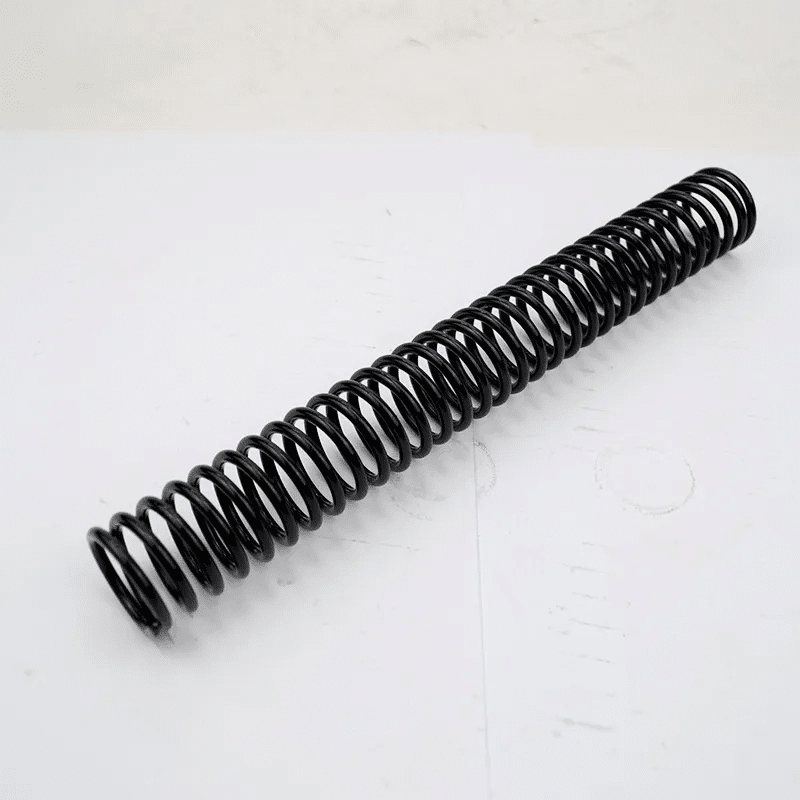
SAE 5160 oil-quenched spring steel bars deliver unmatched fatigue performance for EV leaf springs. With guaranteed 2 million cycles fatigue resistance at 800MPa stress amplitude, this Φ18mm grade enables lighter suspension designs that withstand regenerative braking loads and battery weight while outlasting conventional springs.
| Parameter | Specification |
|---|---|
| Material Standard | SAE J403 5160 (Modified) |
| Dimensions | Φ18mm ±0.12mm x 6000-12000mm |
| Heat Treatment | Oil quenched + 425°C temper |
| Hardness | 47-52 HRC |
| Surface Finish | Ground + shot peened (0.4-0.5mmA) |
| Fatigue Life Certification | 2,000,000 cycles (R=0.1, 800MPa) |
| Stress Amplitude | Cycles to Failure | Failure Origin |
|---|---|---|
| 700 MPa | >4,500,000 | Runout (no failure) |
| 800 MPa | 2,150,000 | Non-metallic inclusion |
| 950 MPa | 980,000 | Surface defect |
| Property | SAE 5160 OQ Modified | 51CrV4 (EN) | SUP9A (JIS) |
|---|---|---|---|
| Fatigue Life @ 800MPa | 2,000,000 cycles | 1,200,000 cycles | 1,700,000 cycles |
| Weight Saving Potential | 25% vs. standard | 15% | 20% |
| Corrosion Resistance | 3x 51CrV4 | Baseline | 2x 51CrV4 |
| Cost per Meter | $18.50 | $22.80 | $20.10 |
Certifications: IATF 16949 | ISO 14241 (Fatigue Testing) | REACH SVHC Compliant

This modified SAE 5160 spring steel is certified to withstand 2,000,000 fatigue cycles under a stress amplitude of 800MPa (R=0.1) based on the SAE J157 test protocol.
It offers a 1900 MPa Ultimate Tensile Strength (20% higher than standard SAE 5160H) and has a 15% better fatigue strength-to-density ratio compared to 51CrV4, enabling up to 25% weight saving potential in suspension components.
To prevent thermal damage and preserve structural integrity, cutting must be performed using abrasive waterjet only. Thermal cutting processes are strictly prohibited.
It features an optimized chemical configuration that provides 480 hours of salt spray resistance (ASTM B117) before white rust onset, which is 3 times the corrosion protection performance of standard 51CrV4.
No. The material limits diffusible hydrogen to ≤0.001%, ensuring robust resistance to hydrogen embrittlement, making it safe for standard automotive electro-coating processes.
Heat treatment is not permitted post-peening, and exposure temperatures must not exceed 220°C. For cold forming, the minimum bend radius must be at least 3 times the steel bar's diameter.