Basic Information
Product Name
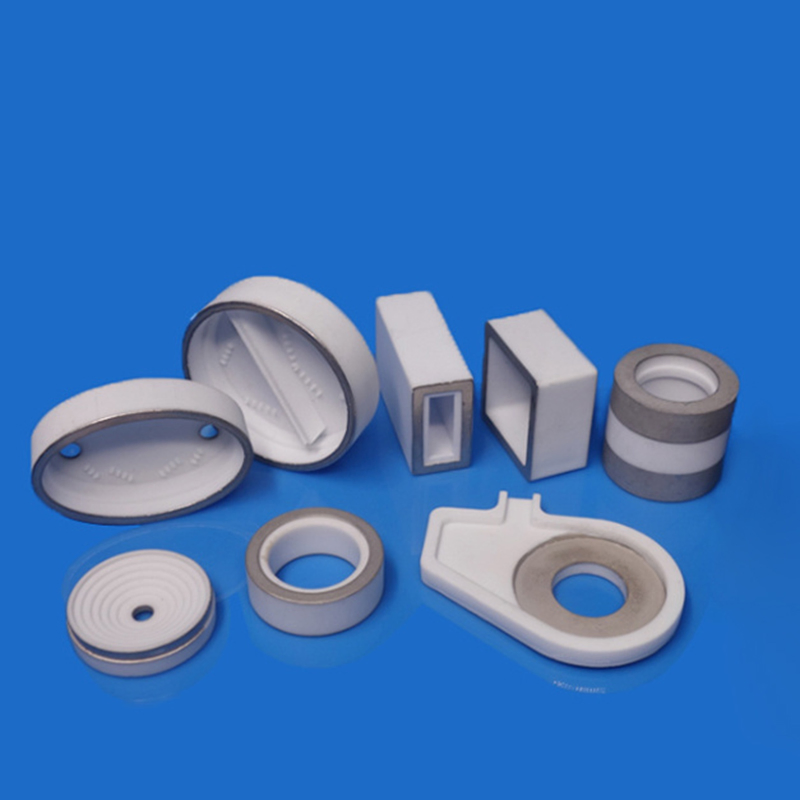
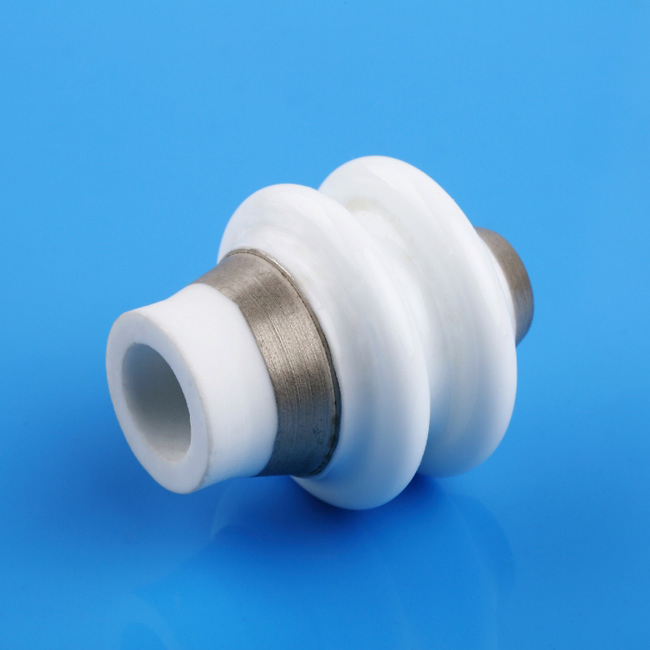
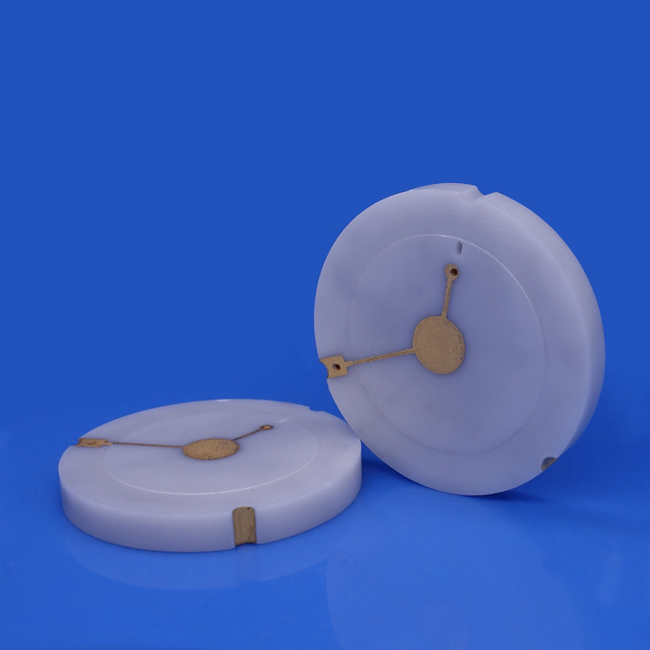
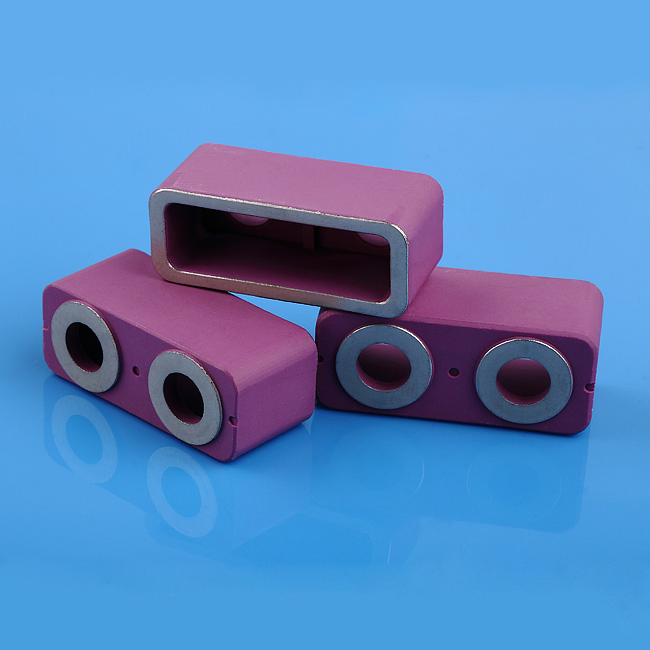
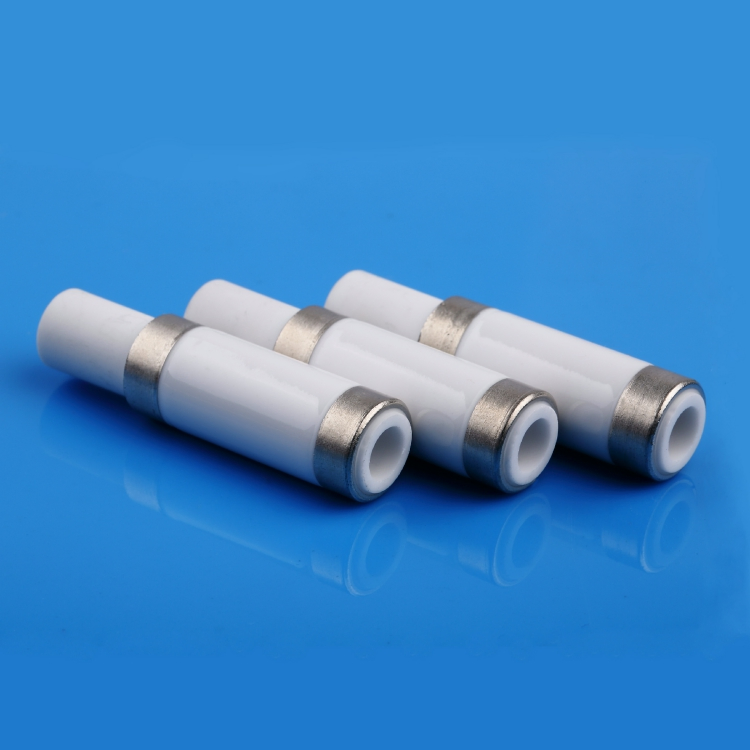
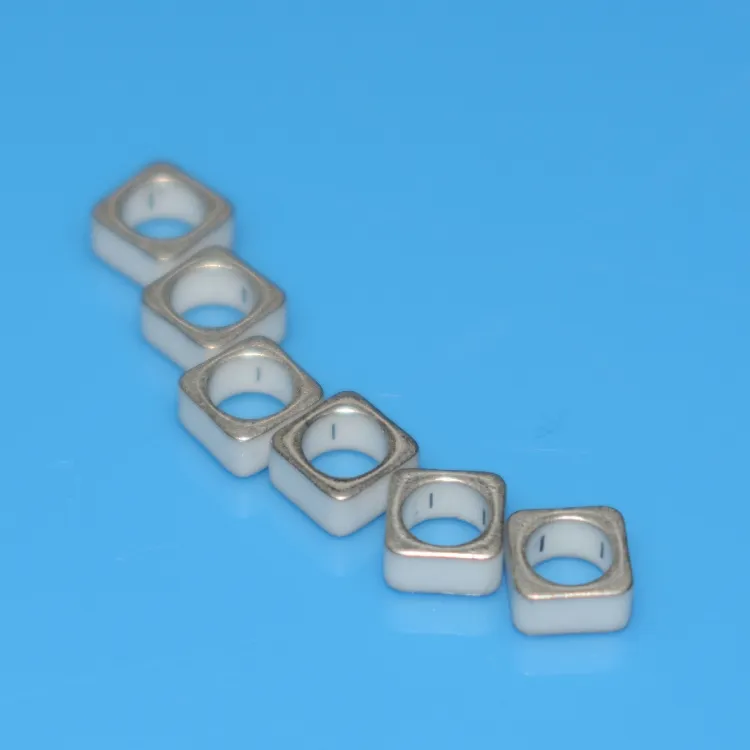
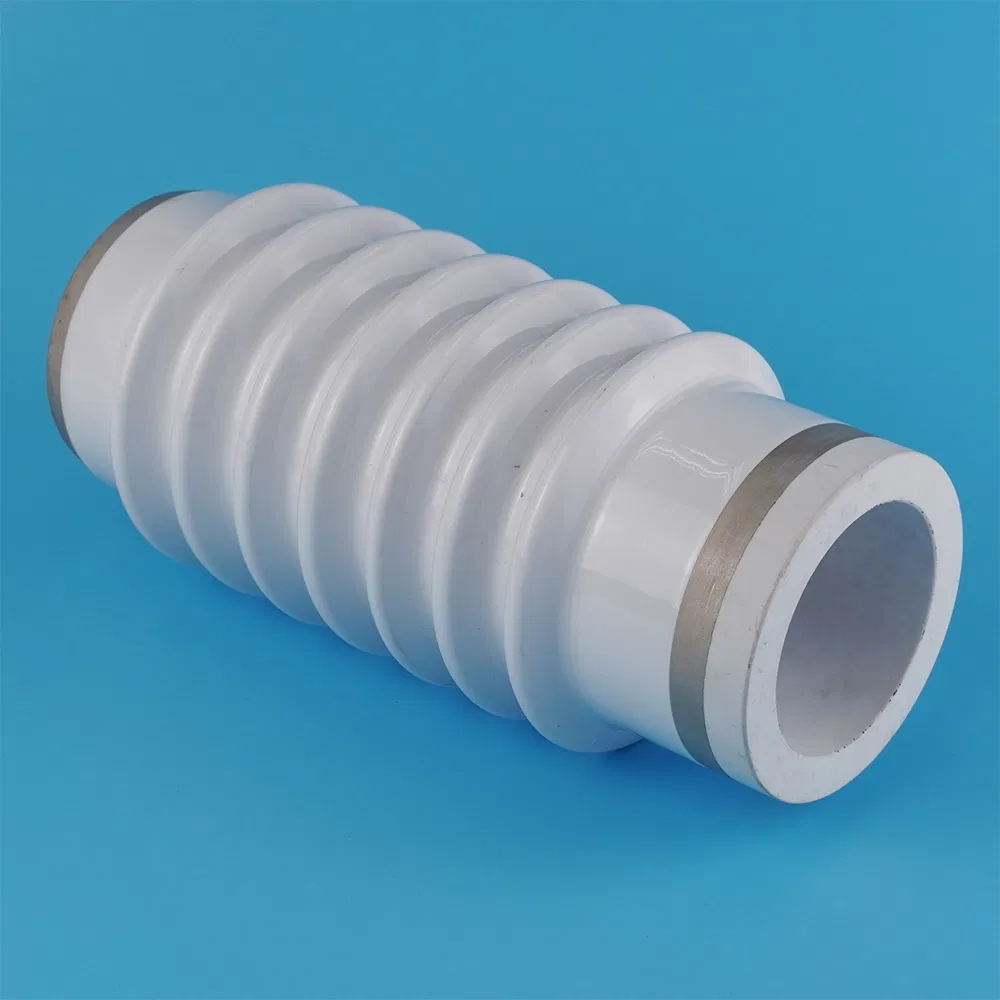
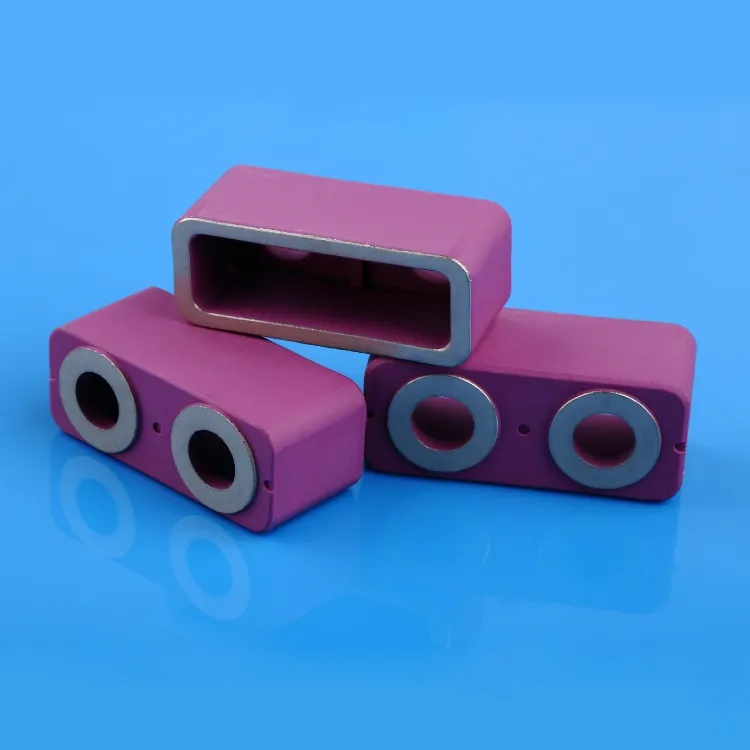
Ceramic Structural Parts with Metallization
Purity
94.4%-99.8% Alumina
Surface Process
Mo-Mn, Enp, Silver Firing, W-Au
Product Introduction
Introduction to Structural Ceramics
Advanced ceramics are categorized into structural and functional types. Structural ceramics serve as engineering materials known for high strength, hardness, elastic modulus, and extreme resistance to temperature, wear, and corrosion. Common materials include alumina, magnesia, silicon nitride, silicon carbide, and zirconia.
Advantages of Alumina Ceramic Structural Parts
- High Hardness: Rockwell hardness HRA 80-90, second only to diamond.
- Wear Resistance: Equivalent to 266 times that of manganese steel, significantly extending equipment lifespan.
- Lightweight: Only half the density of steel, reducing equipment load.
Production Process
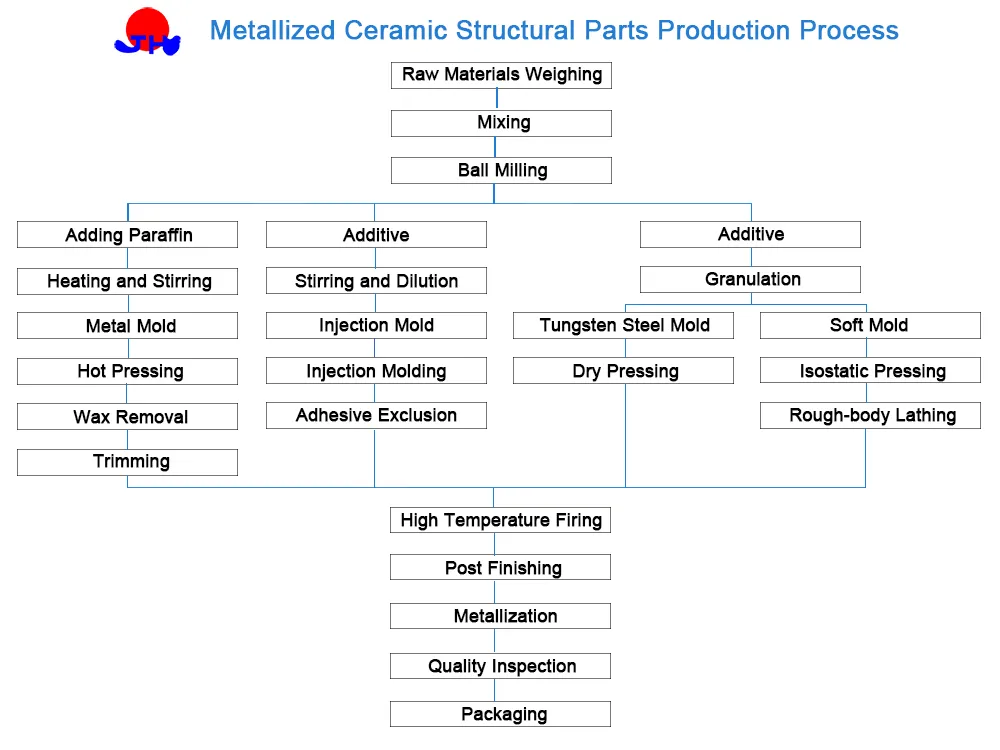
Our production involves three core stages: forming, finishing, and metallization.
1. Forming Methods
| Method |
Features |
| Dry Pressing |
High efficiency, ideal for mass production of flat shapes. |
| Hot Pressing |
High dimensional accuracy, suitable for complex engineering parts. |
| Isostatic Pressing |
Uniform density and high strength, fits large-scale complex shapes. |
| Ceramic Injection Molding (CIM) |
Highly automated, ensures high geometric precision and finish. |
2. Finishing Process
| Process |
Description |
| Machining |
Lapping and polishing to meet strict dimensional tolerances. |
| Glazing |
Minimizes dirt build-up and prevents surface leakage. |
3. Metallization Methods
| Process |
Description |
Advantages |
| Electroless Nickel |
Ceramic Body + Ni Plating |
Low cost, uniform coating. |
| Silver Firing |
Ceramic Body + Ag Coating |
High conductivity, simple process. |
| Mo-Mn Method |
Mo-Mn + Ni Plating |
Mature, high bonding strength. |
| W-Au Method |
W + Au Plating |
Resistant to alkali metal vapor. |
Product Applications
- Semiconductor equipment parts
- Medical equipment components
- Industrial machinery parts
- Wafer handling tools
- Electronic device insulation shells
Technical Parameters
| Property |
Unit |
99.8% Al2O3 |
99% Al2O3 |
95% Al2O3 |
94.4% Al2O3 |
| Density |
g/cm³ |
≥3.95 |
≥3.85 |
≥3.65 |
≥3.60 |
| Vickers Hardness |
HV |
1700 |
1700 |
1500 |
1500 |
| Flexural Strength |
Mpa |
≥ 390 |
≥ 338 |
≥ 320 |
≥ 312 |
| Max Service Temp |
ºC |
1750 |
1600 |
1500 |
1500 |
| Dielectric Strength |
KV/mm |
20 |
18 |
18 |
18 |
Our Advantages
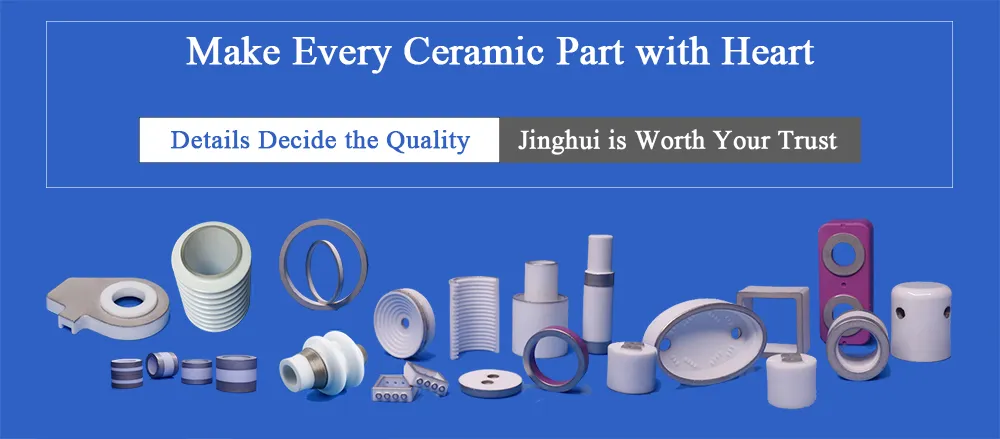
With over ten years of expertise in metallized ceramic structural parts, we produce various specifications based on custom drawings, ensuring reliable quality and superior mechanical performance.
Frequently Asked Questions
Q1: What are the main benefits of using alumina structural ceramics?
Alumina ceramics offer extreme hardness, superior wear resistance (much higher than steel), and lightweight properties, making them ideal for high-stress industrial applications.
Q2: Can these ceramic parts be customized?
Yes, we specialize in producing ceramic structural parts according to specific customer drawings and technical requirements, including custom shapes and dimensions.
Q3: What metallization processes do you offer?
We provide several processes including Mo-Mn metallization (with Ni plating), Silver Firing, W-Au methods, and Electroless Nickel plating to suit different bonding and conductivity needs.
Q4: What is the maximum service temperature for your 99.8% Al2O3 ceramics?
Under non-loading conditions, 99.8% Alumina can withstand temperatures up to 1750ºC.
Q5: Which industries commonly use these ceramic components?
They are widely used in semiconductor manufacturing, medical equipment, high-power electronic devices, and general industrial machinery where high insulation and wear resistance are required.
Q6: What finishing treatments are available for precision?
We offer advanced machining processes like lapping, polishing, and glazing to ensure smooth surfaces and meet tight dimensional tolerances.
 DCI Autos