DCI Autos
1 / 5
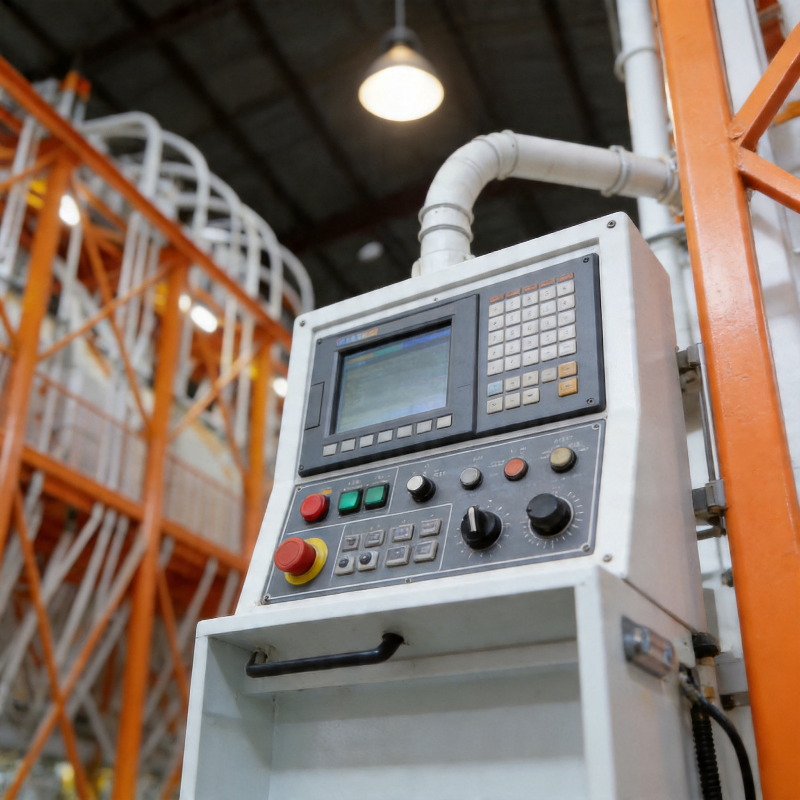
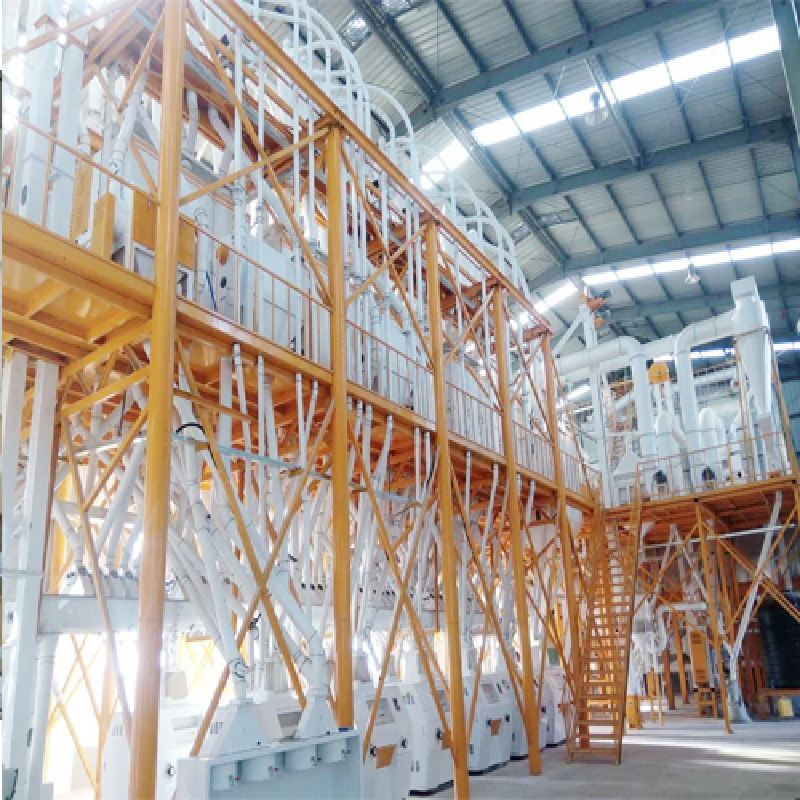
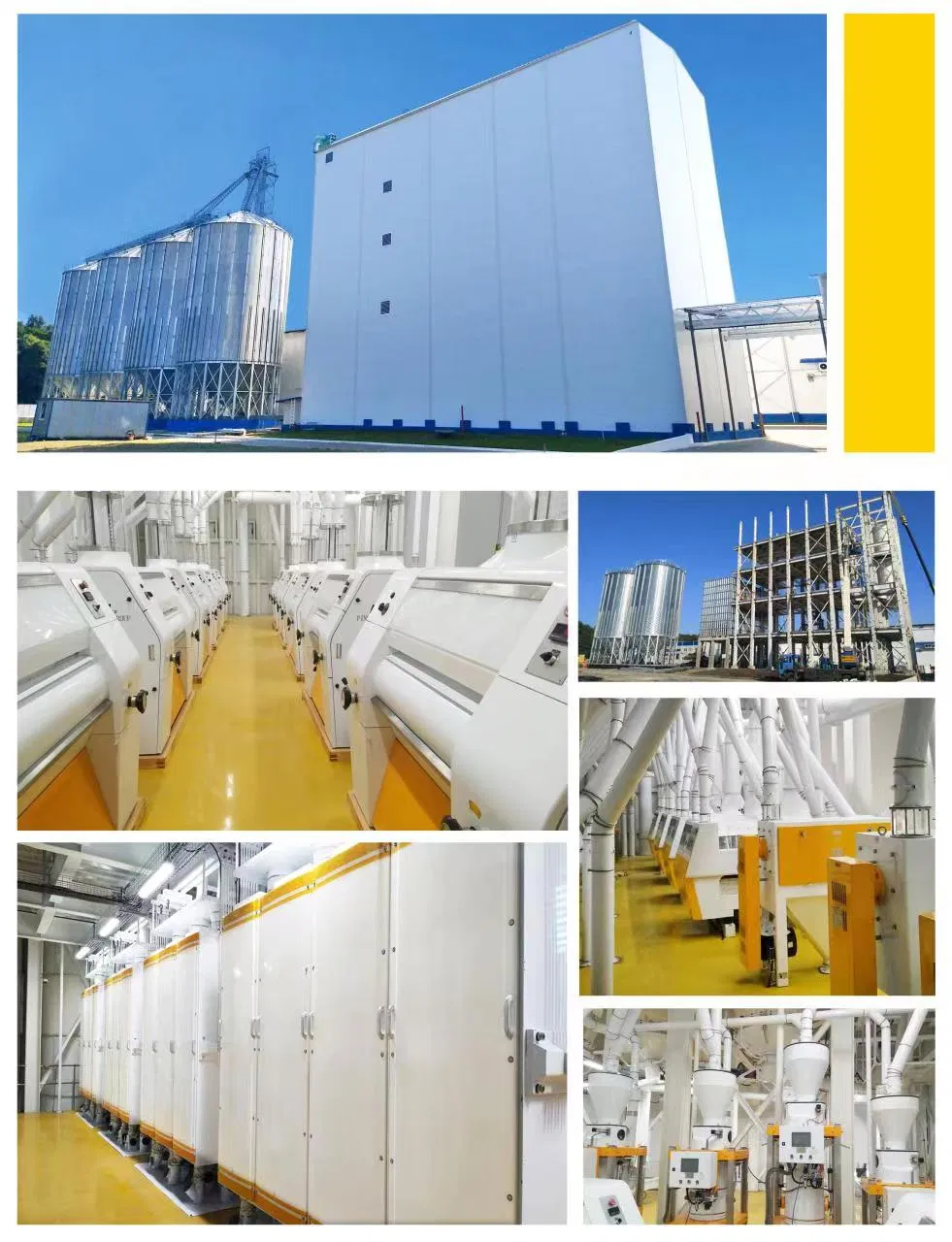
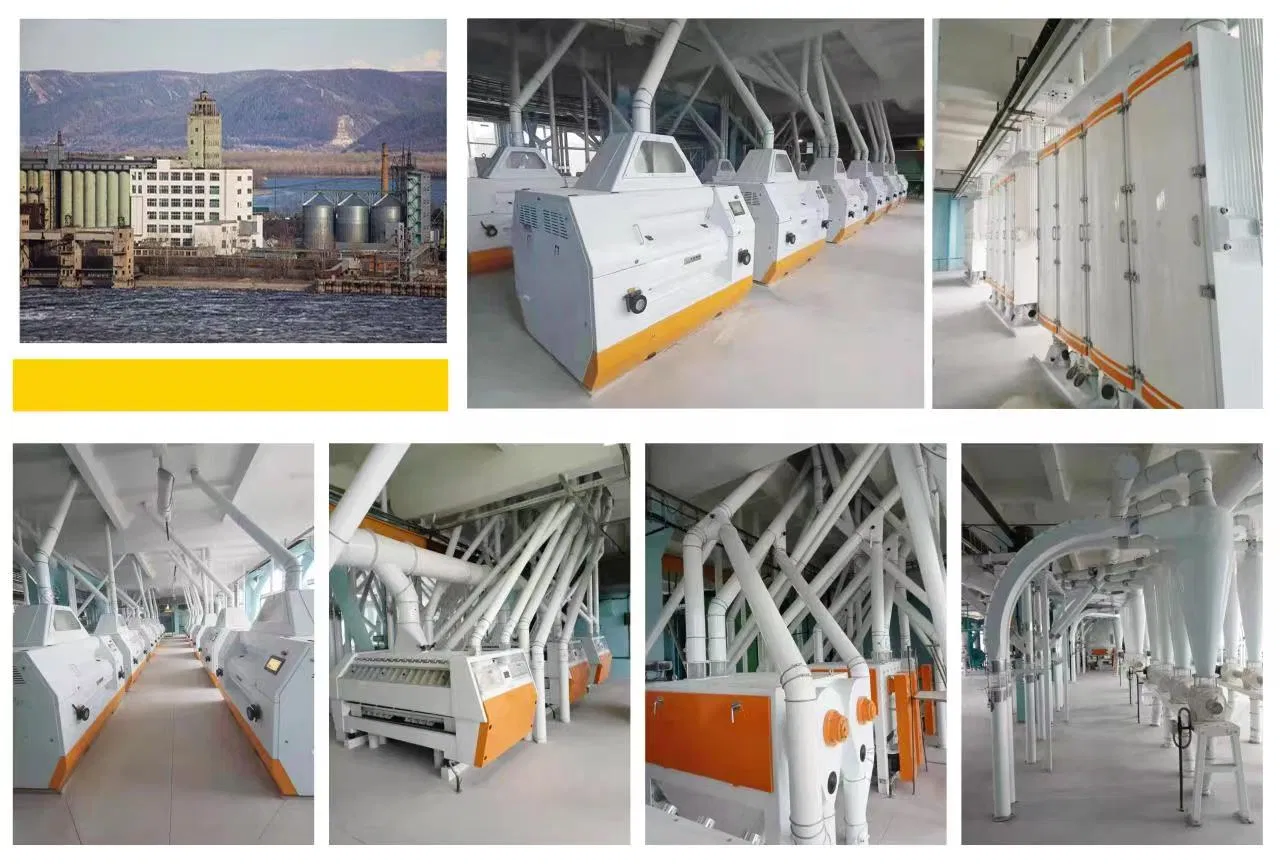
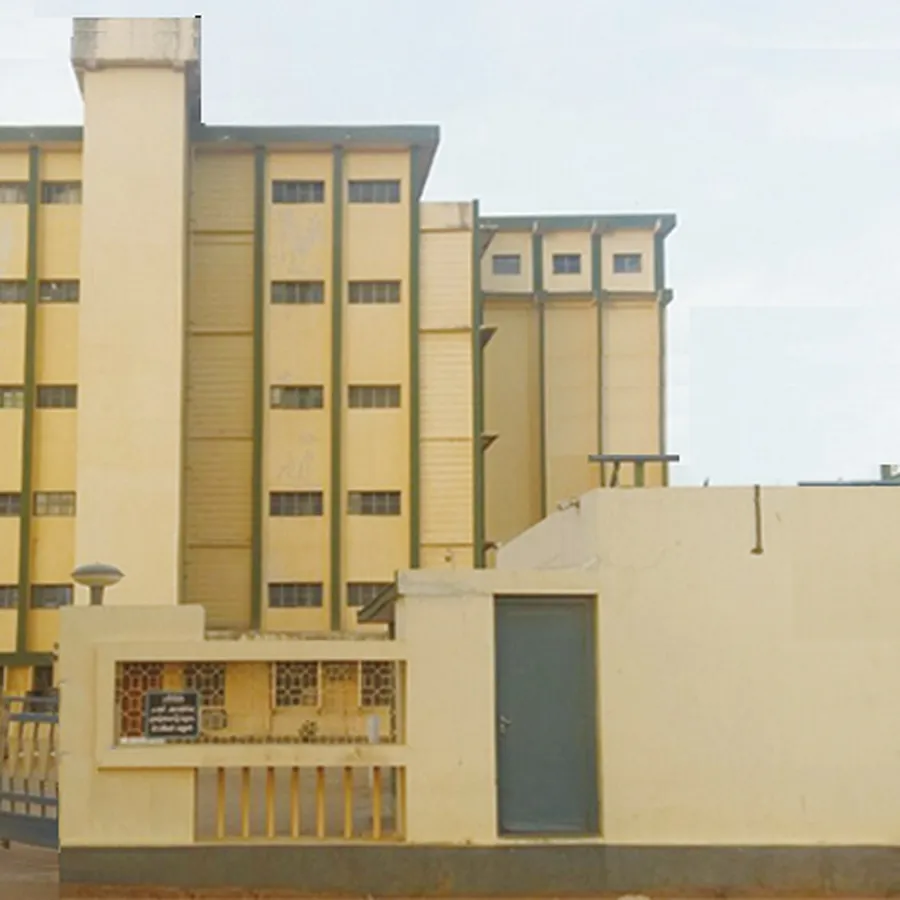
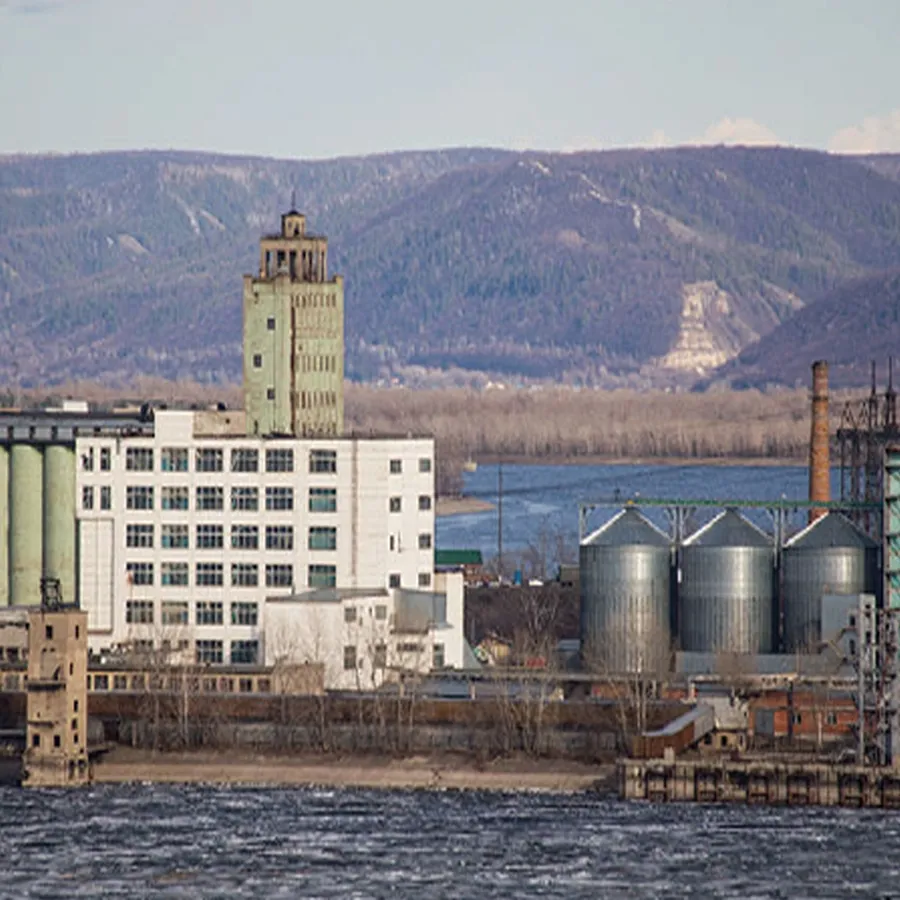
The wheat flour mill production line consists of various wheat grinding equipment to grind wheat into flour. It starts with raw material wheat and ends with the final product, which is processed into staple foods such as bread, pasta, and pastries. There are small, medium, and large flour mills that help produce finer flour. Each flour mill may or may not include the entire process of producing the final product, from cleaning, conditioning, crushing, grinding, sieving, and bagging the flour. The composition of the mill will also vary with the scale of production.
This automatic wheat flour production line is designed to be easy to operate, allowing the user to focus on other tasks while the machine takes care of the production process.
| Model | Finish Products | Power (kw) | Power Consumption Per Ton Flour (kw/h) | Capacity (ton wheat of 24hrs) | Dimension (LxWxHm) |
|---|---|---|---|---|---|
| PL-120T | Grade Flour Special Flour Common Flour |
470 | 70-74 | 120 | 40*7.5*19 |
| PL-140T | 560 | 68-72 | 140 | 41*7.5*19 | |
| PL-160T | 650 | 68-72 | 160 | 47*7.5*19 | |
| PL-200T | 740 | 65-71 | 200 | 49*7.5*19 | |
| PL-250T | 960 | 65-71 | 250 | 52*12*29 | |
| PL-300T | 1170 | 65-71 | 300 | 62*12*29 | |
| PL-400T | 1675 | 65-70 | 400 | 77*12*30 | |
| We support customized flour production lines of various specifications and uses | |||||
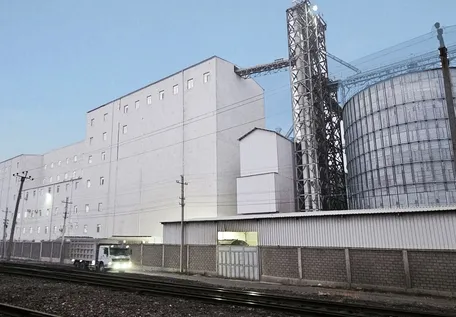
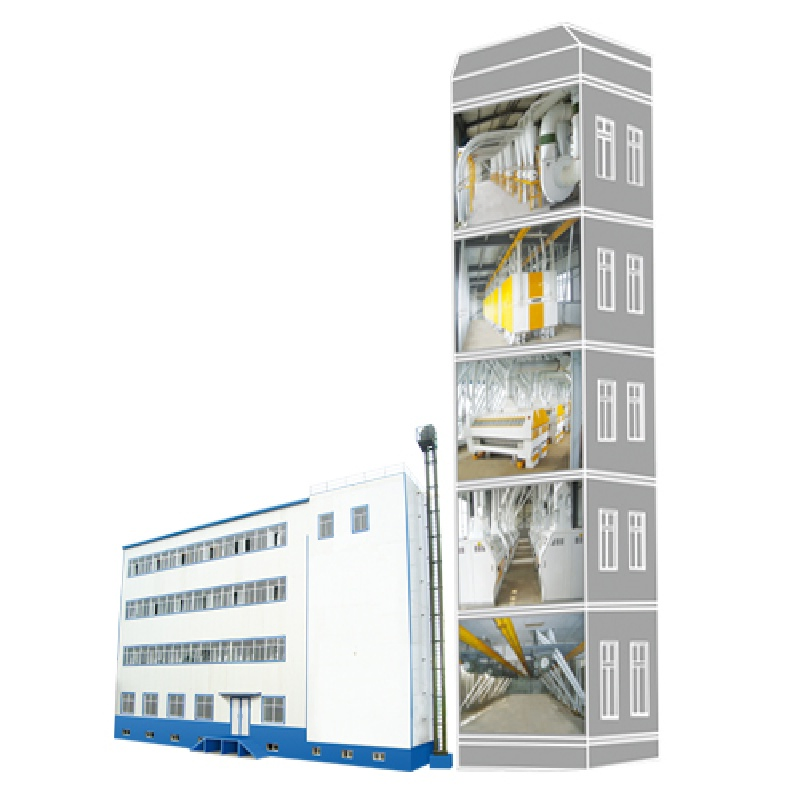
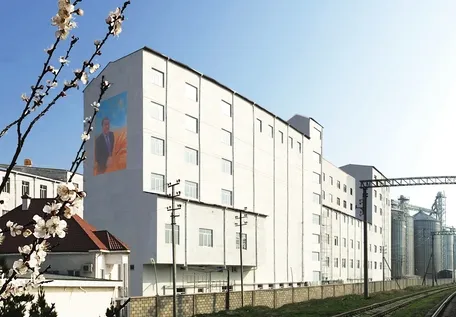
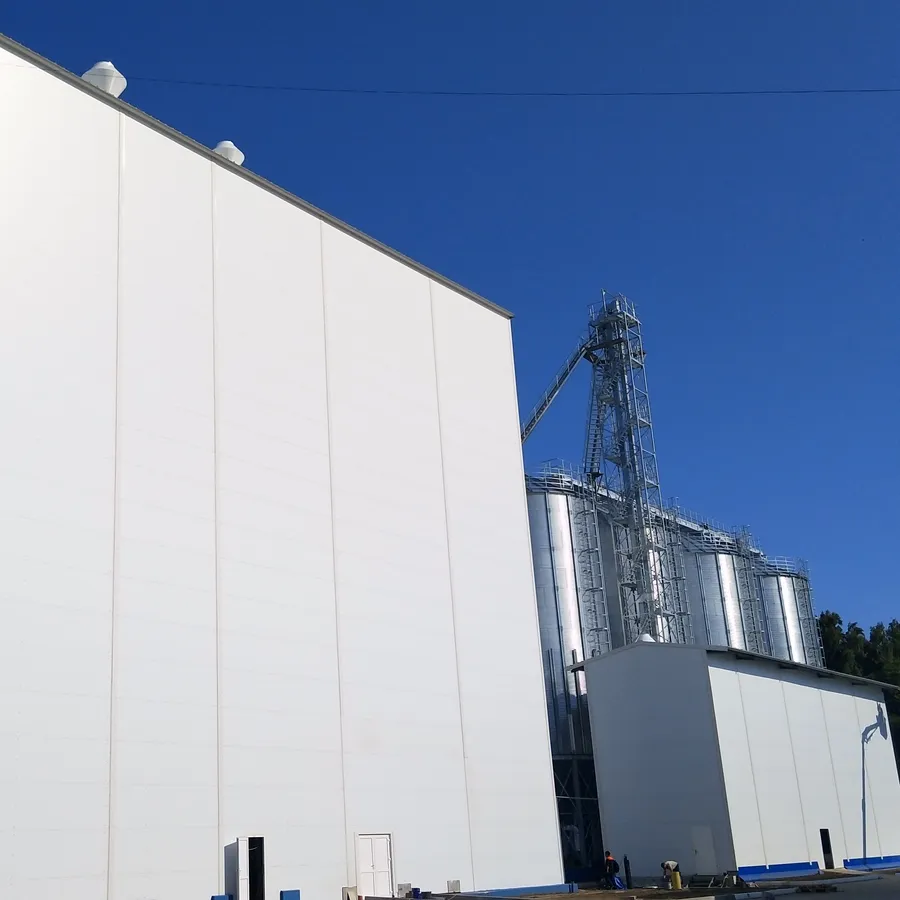
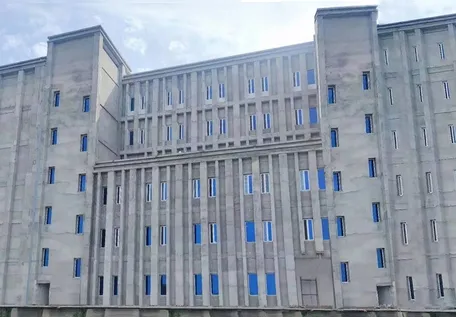
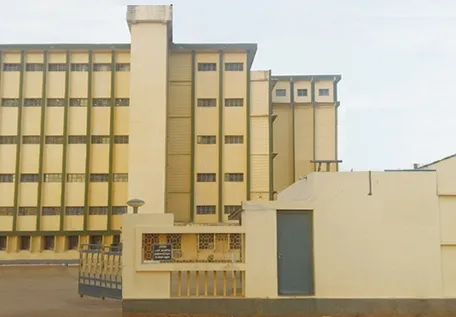
The overall dimensions of the flour mill production line may vary, depending on the capacity and design. Some large flour mills with screening sections, grinding sections, and dust collection sections may be installed at a height of about 30-40 meters, length of about 10-20 meters and width of about 5-10 meters.
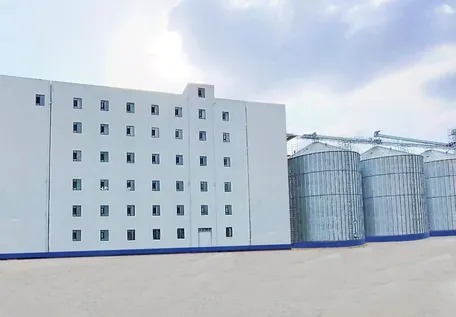
The power supply required for a wheat milling production line may vary depending on the size and capacity. It is generally between 100-300kW. The power of the motor used to drive the mill, crusher, and other components is usually between 5 and 75kW.
The parameters of the quantity of wheat flour produced by the mill are always expressed in terms such as kilograms per hour or tons per day. One ton of wheat milling produces about 750-800 kg of flour, and the rest is bran and waste residue.
Check the technical parameters of the flour mill regularly, such as clearance, squeezing degree, etc. Adjust these parameters according to the instruction manual to ensure optimal performance.
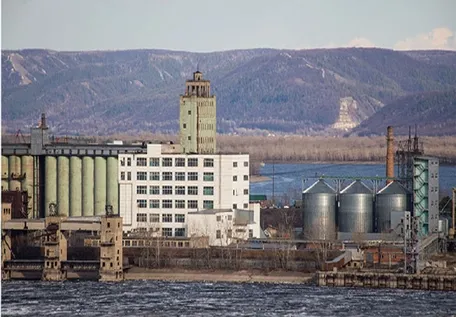
Bakery: is the main use of the flour mill production line. Pure refined wheat flour remains the main raw material for making a variety of baked goods such as bread, cakes, muffins, croissants, pastries, and cookies. Flour mills produce specialized flours with different protein concentrations and gluten levels to meet the unique requirements of different baked products.
Food Processing: A variety of foods, including pasta, noodles, pancakes, tortillas, dumplings, breadcrumbs, and wraps, rely on flour as a basic raw material. Flour mills provide the necessary flour according to the specific texture, taste, and consistency of each product.