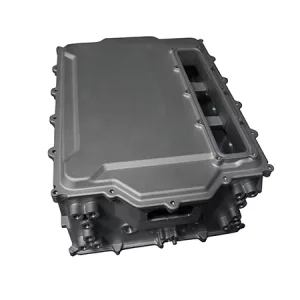
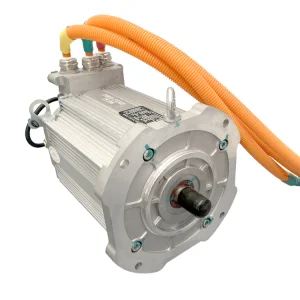
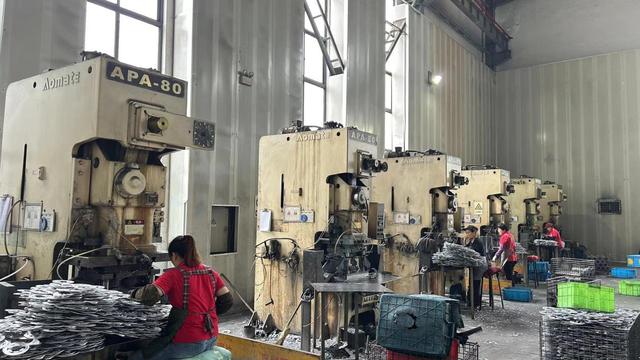
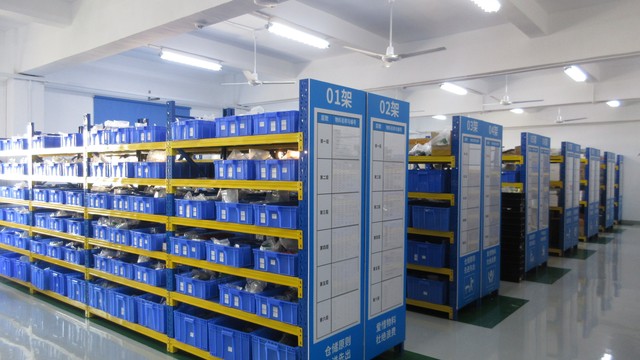
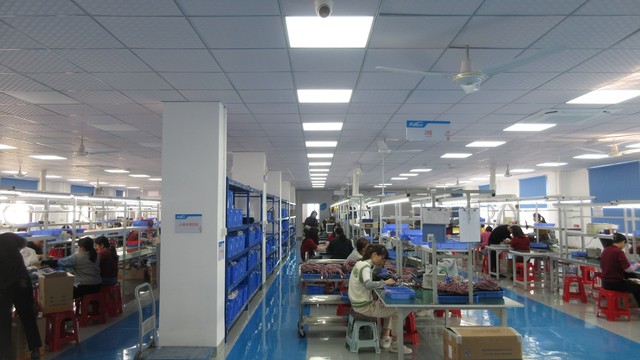
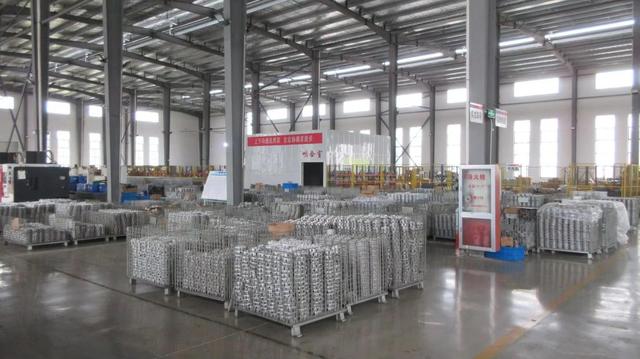
Shenzhen DCI Autos Co., Ltd. is a professional manufacturer specializing in electric vehicle components and advanced mobility technologies for the global automotive industry. Established in 2014, the company is headquartered in Shenzhen, Guangdong Province, a leading center for innovation in electric transportation and intelligent manufacturing. Operating from a modern production facility covering 28,000 square meters and supported by more than 300 employees, DCI Autos has developed comprehensive capabilities in engineering, manufacturing, testing, and international supply chain support.
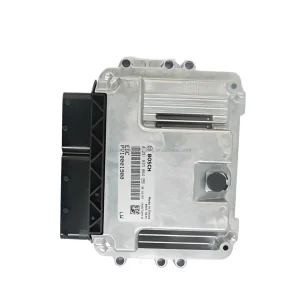
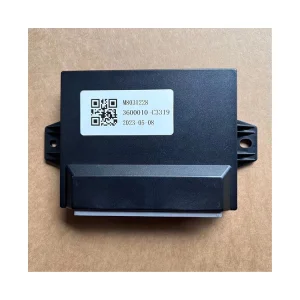
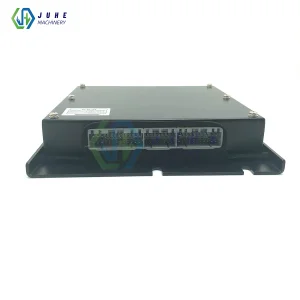
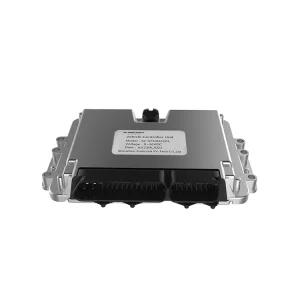
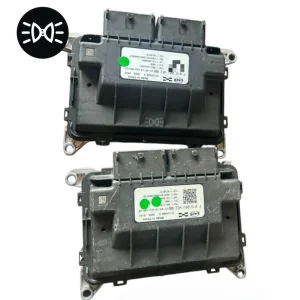
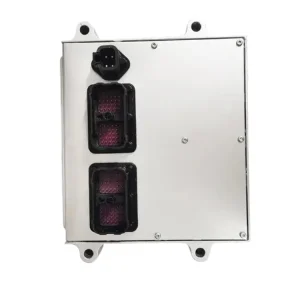
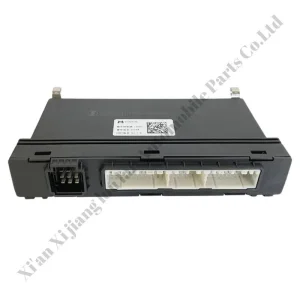
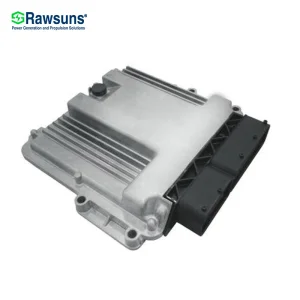
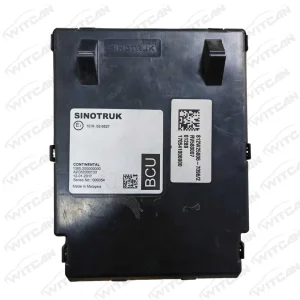
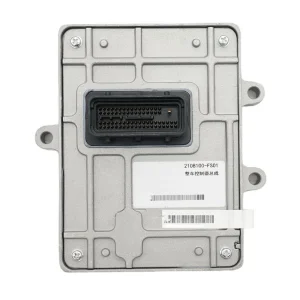
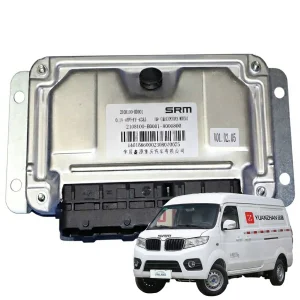
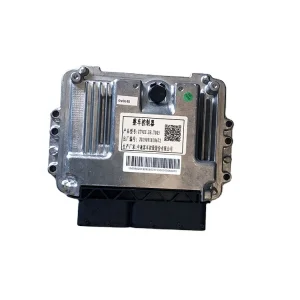
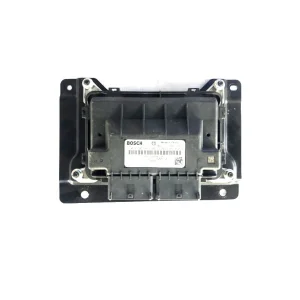
As the Netherlands transitions toward a fully carbon-neutral transport sector by 2050, the demand for highly reliable Vehicle Control Units (VCU) has surged. Our VCU solutions are specifically engineered to bridge the gap between high-performance Chinese manufacturing and the rigorous safety and environmental standards of the European Union, specifically tailored for Dutch importers and fleet operators.
Cities like Amsterdam, Rotterdam, and Utrecht are implementing Zero-Emission Zones (ZEZ) for delivery vans and trucks starting in 2025. This creates a critical need for VCUs that can manage battery efficiency and regenerative braking with 99.9% reliability.
The Netherlands has the highest density of charging points in the EU. Our VCUs support V2G (Vehicle-to-Grid) and V2X communication protocols, allowing Dutch vehicles to interact seamlessly with the national energy grid.
With the Port of Rotterdam serving as the gateway to Europe, heavy-duty electric trucks require VCUs with robust CAN-bus communication to handle extreme loads and long-duration operational cycles without thermal throttling.
Our VCU architecture is moving toward Domain Control Units (DCU). This involves integrating the VCU with the BMS (Battery Management System) and MCU (Motor Control Unit) to create a unified intelligence hub. For our Dutch partners, this means:
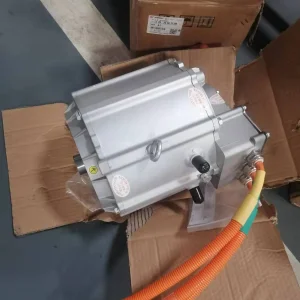
The company focuses on the development and production of battery systems, power electronics, electric drivetrain components, battery management systems (BMS), charging system components, thermal management solutions, high-voltage electrical assemblies, and integrated EV powertrain technologies. Its products are designed to support passenger vehicles, commercial electric vehicles, light-duty transportation platforms, and emerging mobility applications.
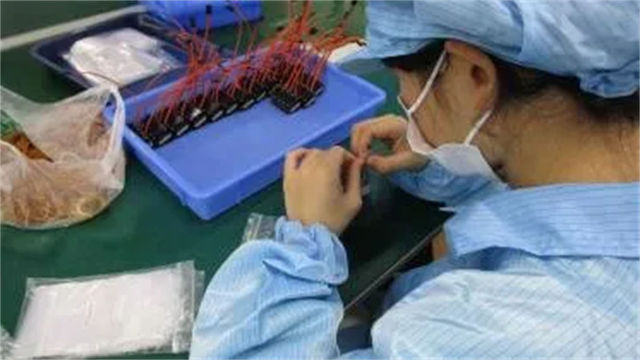
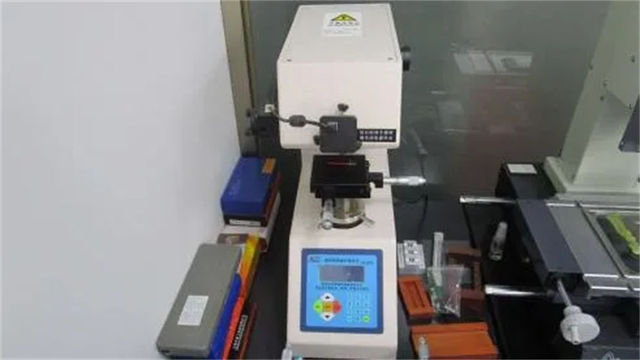
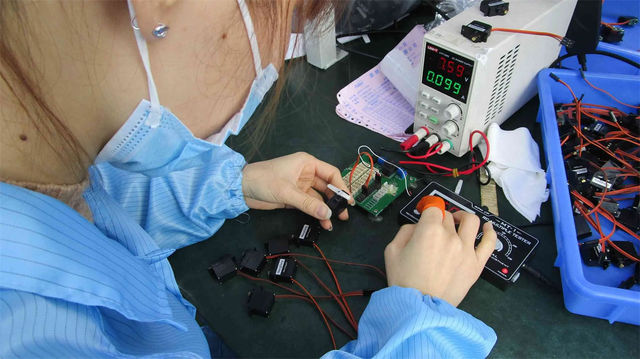
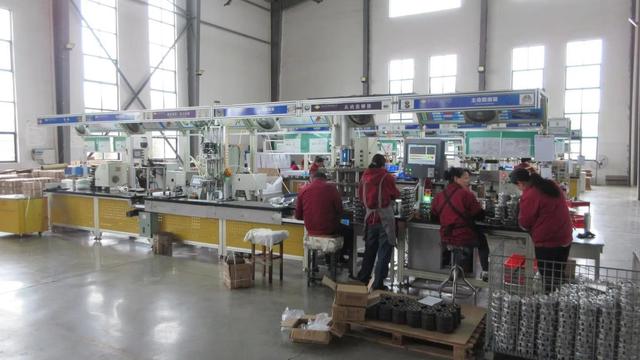
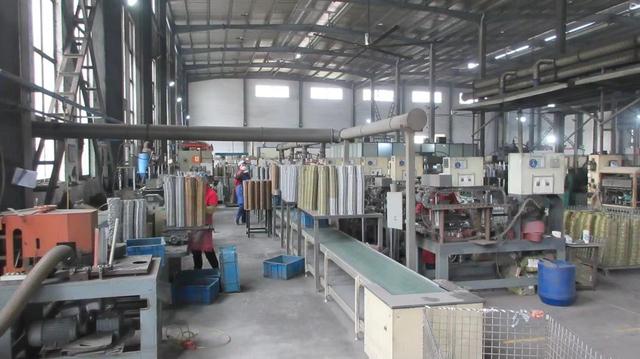
DCI Autos combines advanced manufacturing technologies, automated production equipment, and rigorous quality control procedures to ensure product reliability, efficiency, and long-term operational performance. The company operates dedicated engineering laboratories and testing facilities where products undergo extensive validation, environmental testing, and performance verification throughout the development and manufacturing process.
Our Shenzhen-based "Smart Factory" utilizes AI-driven SMT (Surface Mount Technology) lines and AOI (Automated Optical Inspection) to ensure that every VCU shipped to the Netherlands meets zero-defect criteria. This level of precision manufacturing provides our Dutch clients with a competitive edge in "Total Cost of Ownership" (TCO).
Join the leaders of the Dutch transport industry. Get a technical consultation and volume pricing today.
Request Technical DatasheetAll VCU units exported to the Netherlands undergo rigorous EMC (Electromagnetic Compatibility) testing to ensure they do not interfere with other vehicle electronics and meet EU ECE R10 standards.
We provide comprehensive documentation including block diagrams, failure mode and effects analysis (FMEA), and software architecture details to assist in the RDW (Netherlands Vehicle Authority) type-approval process.
To meet the evolving requirements of the electric mobility sector, DCI Autos provides flexible OEM and ODM services, including customized component development, private-label manufacturing, and system integration support.
Today, Shenzhen DCI Autos Co., Ltd. serves customers across North America, Europe, Southeast Asia, the Middle East, South America, and other international markets. Through continuous innovation, precision manufacturing, and customer-focused collaboration, the company remains committed to supporting the global transition toward sustainable transportation and next-generation electric mobility technologies.
 DCI Autos