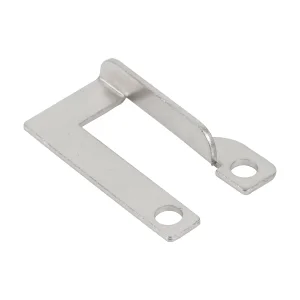
Discover our top-tier components engineered to address the critical grid requirements, smart mobility standards, and industrial automation networks across Belgium.
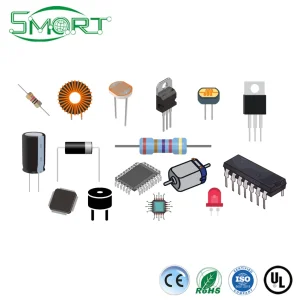
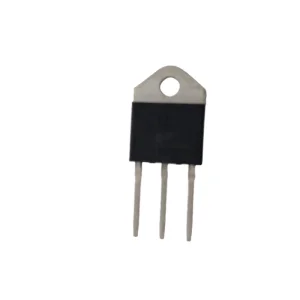
As a central logistics hub and industrial powerhouse within the European Union, Belgium is rapidly transitioning its industrial sectors toward decarbonization and energy efficiency. From the massive offshore wind arrays in the North Sea to the highly automated manufacturing corridors of Flanders and Wallonia, the need for robust, highly efficient power electronics components is at an all-time high.
Belgium’s energy policies, governed by federal mandates and regional Flemish and Walloon decrees, place strict expectations on grid stability, harmonics reduction, and energy efficiency. The deployment of high-voltage direct current (HVDC) transmission lines, local smart grids, and utility-scale battery energy storage systems (BESS) relies entirely on solid-state power switches, specialized transformers, and advanced power management integrated circuits (PMICs).
Furthermore, the nation’s railway network (SNCB) and public transit networks (De Lijn, TEC) are systematically converting to next-generation electric drivetrains. These systems demand components that can survive harsh thermal cycles, high mechanical vibrations, and stringent electromagnetic compatibility (EMC) regulations, making Tier-1 manufacturing quality non-negotiable.
Procurement engineers and supply chain directors in Antwerp, Ghent, and Brussels face complex challenges when sourcing microelectronics and high-power modules. Below is how we address these demands dynamically.
Counterfeit components and unverified silicon represent massive failure risks in industrial converters. DCI Autos mitigates this risk by ensuring full material traceability down to the wafer level. Every batch of PMICs, thyristors, and custom IGBT modules undergoes rigorous thermal, electrical, and optical testing prior to packing.
With supply chain disruptions impacting European manufacturing centers, having a reliable OEM/ODM partner in Shenzhen offers a secure dual-sourcing framework. By maintaining local stocking points and direct air/sea logistics channels to the Port of Antwerp-Bruges, we guarantee reliable component flow for your assembly lines.
Belgian companies operate under stringent European directives. Our entire catalog complies strictly with CE, RoHS, WEEE, and REACH guidelines, ensuring zero issues with regional environmental inspectors or customs agencies.
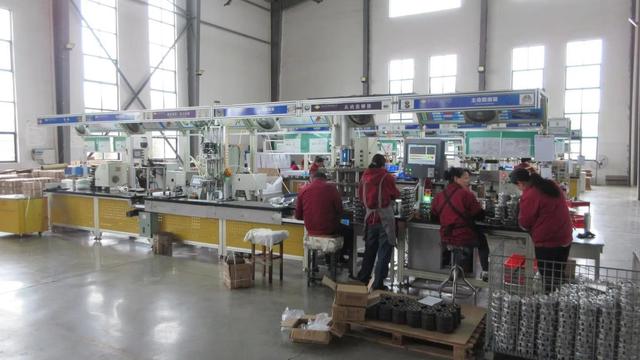
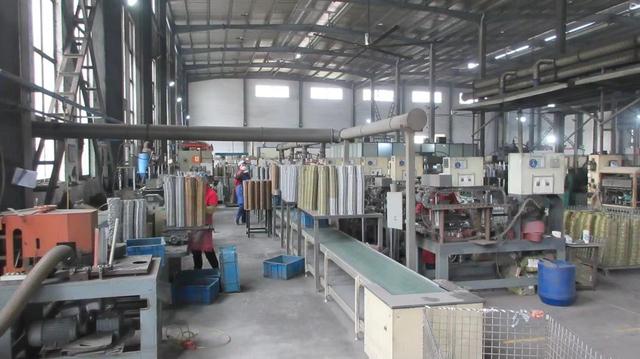
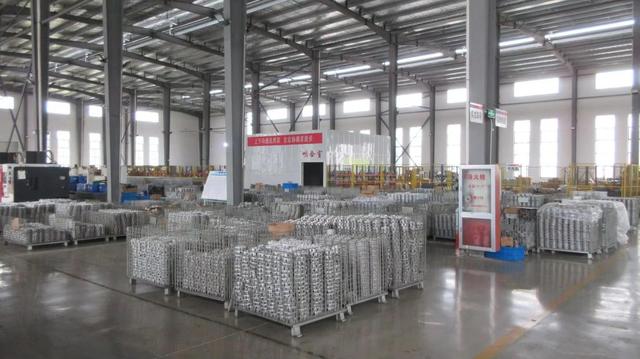
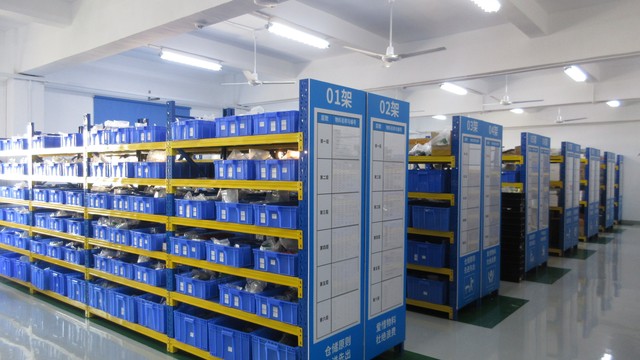
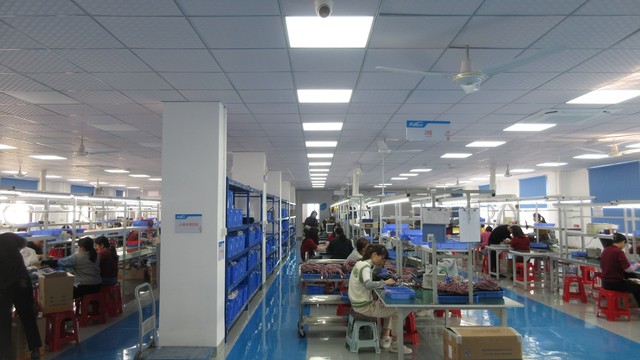
Shenzhen DCI Autos Co., Ltd. is a professional manufacturer specializing in electric vehicle components and advanced mobility technologies for the global automotive industry. Established in 2014, the company is headquartered in Shenzhen, Guangdong Province, a leading center for innovation in electric transportation and intelligent manufacturing. Operating from a modern production facility covering 28,000 square meters and supported by more than 300 employees, DCI Autos has developed comprehensive capabilities in engineering, manufacturing, testing, and international supply chain support.
The company focuses on the development and production of battery systems, power electronics, electric drivetrain components, battery management systems (BMS), charging system components, thermal management solutions, high-voltage electrical assemblies, and integrated EV powertrain technologies. Its products are designed to support passenger vehicles, commercial electric vehicles, light-duty transportation platforms, and emerging mobility applications.
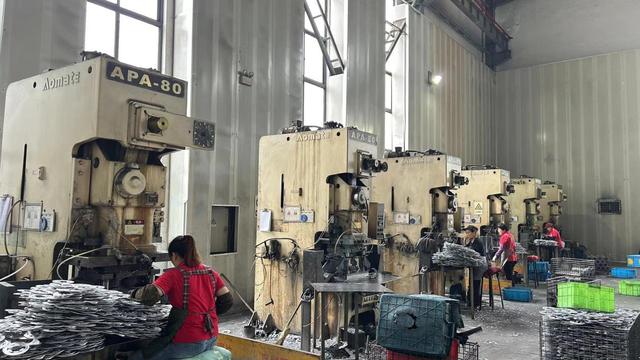
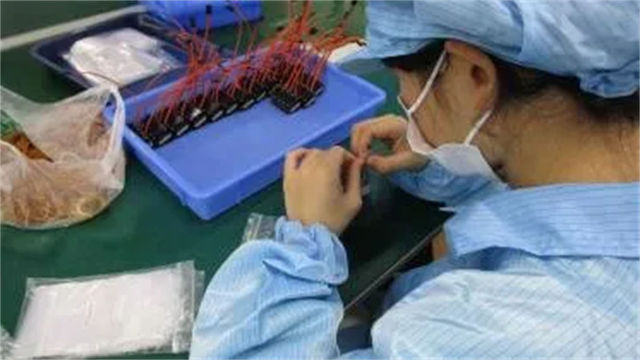
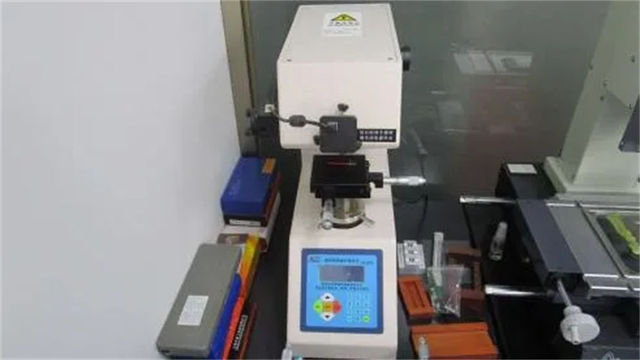
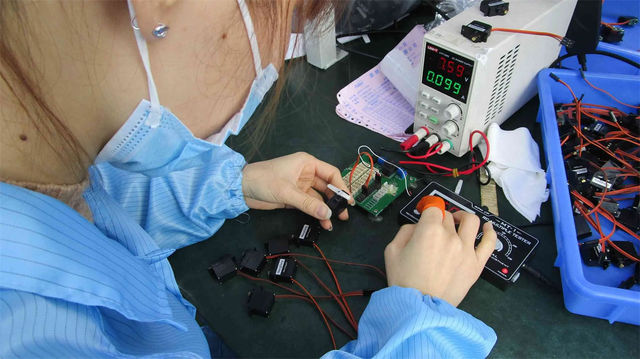
DCI Autos combines advanced manufacturing technologies, automated production equipment, and rigorous quality control procedures to ensure product reliability, efficiency, and long-term operational performance. The company operates dedicated engineering laboratories and testing facilities where products undergo extensive validation, environmental testing, and performance verification throughout the development and manufacturing process.
To meet the evolving requirements of the electric mobility sector, DCI Autos provides flexible OEM and ODM services, including customized component development, private-label manufacturing, system integration support, and application-specific engineering solutions. Its research and development team continuously explores innovations in electrification, energy management, lightweight design, and intelligent vehicle systems.
Today, Shenzhen DCI Autos Co., Ltd. serves customers across North America, Europe, Southeast Asia, the Middle East, South America, and other international markets. Through continuous innovation, precision manufacturing, and customer-focused collaboration, the company remains committed to supporting the global transition toward sustainable transportation and next-generation electric mobility technologies.
DCI Autos provides integrated subsystem design and component-level optimization across four pivotal commercial applications.
Comprehensive development of custom battery management systems (BMS) with high-voltage solid-state relays, passive balancer boards, and custom thermal mitigation structures.
High-voltage thyristors, fuses, and custom inductors engineered to handle dynamic switching and filter out harmonics in offshore wind farm links and utility BESS.
OEM-machined heat sinks, ceramic insulation substrates, and high-frequency power rails designed to drive large robotic lines in Belgian logistics and automotive plants.
Tailored engineering processes from circuit schematic optimization to thermal testing, mold development, and plastic/metal hybrid structural integration.
When ordering high-power electronics from an overseas manufacturing facility, ensuring compliance with European Union directives and Belgian regional requirements is critical. We guarantee that all batches shipped to our Belgian clients meet the rigorous thresholds of the Low Voltage Directive (2014/35/EU) and the EMC Directive (2014/30/EU).
Our engineering support team is optimized to coordinate directly with local Belgian engineering centers (such as Imec in Leuven or EnergyVille in Genk) to co-develop, prototype, and finalize sub-assemblies. This collaborative framework drastically reduces time-to-market and prevents costly redesign phases.
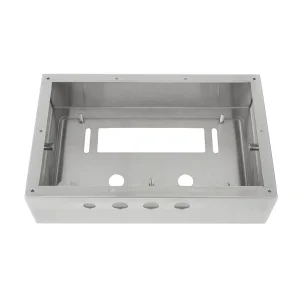
Whether your project requires high-frequency insulation via specialized ceramic structures or heavy-duty enclosures that withstand the chemical and maritime atmospheres of the Port of Antwerp-Bruges, DCI Autos leverages raw material optimization (including high-grade Alumina ceramics and custom stainless-steel alloys) to secure long-term durability.
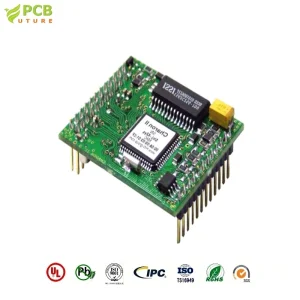
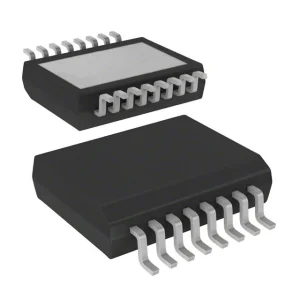
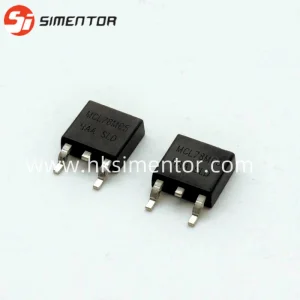
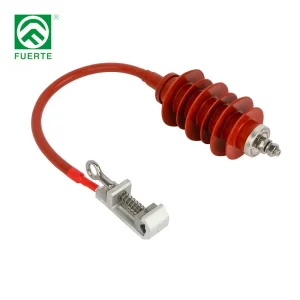
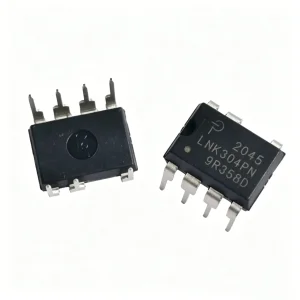
A strategic inventory of PMICs, thyristors, protective structural components, and high-frequency modules designed to optimize industrial control loops and heavy machinery.
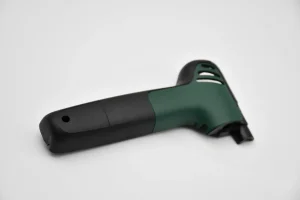
The power electronics sector is transitioning rapidly from standard Silicon (Si) base materials to wide-bandgap (WBG) semiconductors, specifically Silicon Carbide (SiC) and Gallium Nitride (GaN). These new technologies allow for higher switching frequencies, drastically lower power loss, and smaller physical footprints. For Belgian industries seeking to optimize their industrial footprints and increase the range of logistics fleets, adopting SiC/GaN power modules is the next technological horizon.
By shifting to SiC power switches, main motor inverters in electric vehicles can achieve efficiencies exceeding 98.5%. This reduces the battery pack size needed for heavy duty commercial transit in municipal fleets, saving payload space and reducing overall acquisition costs.
In auxiliary power systems and smart city grid sensors, Gallium Nitride (GaN) allows high frequency conversion, reducing the size of accompanying inductive components. This shift makes it possible to mount high-efficiency converters directly within micro-meter casings or small municipal power nodes.
To prepare for next-generation mobility, our research team at DCI Autos is validating solid-state battery management architectures. These systems will handle high current densities while incorporating smart sensor relays that monitor thermal runaway factors dynamically, ensuring high safety parameters.
By embedding smart PMICs directly into the cooling loop modules of the electric drivetrain, the vehicle’s primary controller can dynamically adjust flow parameters. This guarantees that heat sinks operate consistently within optimal temperature envelopes, extending component lifespans by up to 35%.
Get answers to common technical, regulatory, and sourcing questions about importing and integrating power electronics components in Belgium.
Our components, including high-power thyristors, PMICs, and shielding segments, are designed to minimize total harmonic distortion (THD) and optimize power factor coefficients. This simplifies compliance with Elia (the Belgian transmission system operator) grid codes, particularly regarding system stability, voltage spikes, and electromagnetic compatibility.
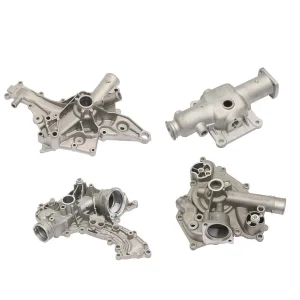
DCI Autos provides full-cycle OEM/ODM options. We can customize the PCB trace layout, adapt component selections for specific SMT/THT footprints, modify die-cast aluminum housing geometries to fit unique chassis spaces, and tune thermal management brackets for active liquid cooling systems.
We use high-purity Alumina (Al2O3) structural ceramics and corrosion-resistant alloys that offer excellent dielectric strength and thermal dissipation properties. This prevents breakdown and degradation under salty, humid air conditions, which is crucial for offshore wind converter hubs and port equipment in Belgium.
Our 28,000 square meter factory operates under strict ISO 9001:2015 and IATF 16949 quality frameworks. All PCB assemblies are verified using Automated Optical Inspection (AOI), X-ray solder inspection, and functional test fixtures, guaranteeing near-zero defect rates before leaving our facility.
Integrating wide-bandgap (WBG) elements like GaN and SiC allows converters to operate at higher frequencies. This minimizes the size of inductors and capacitors, boosts conversion efficiency, and reduces energy loss, which helps developers meet the Flemish Region's strict energy-saving targets.
We handle all export logistics under strict Incoterms (typically FOB or CIF). We prepare comprehensive custom declarations, HS classification codes, CE self-declarations, and compliance folders (RoHS/REACH) to ensure clear, fast customs processing through Belgian ports of entry.
Connect with DCI Autos' specialized engineering and supply chain teams to discuss custom component parameters, request functional evaluation samples, or obtain volume pricing for your next Belgian integration project.
 DCI Autos