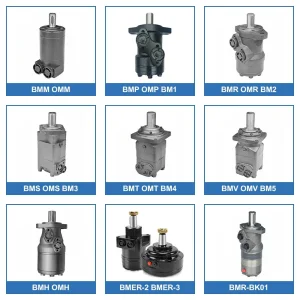
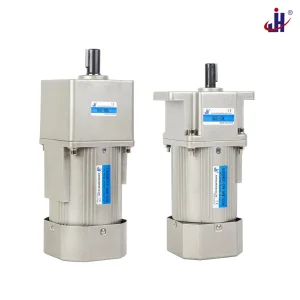
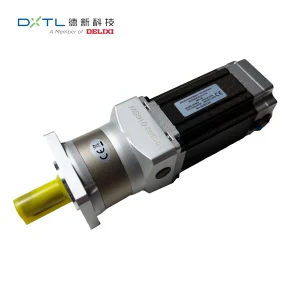
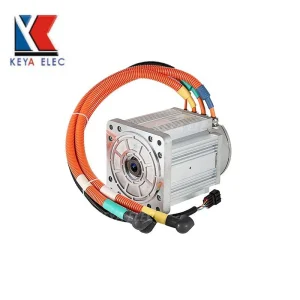
High-precision drive configurations tailored to challenging industrial and automated deployments across Australian states.
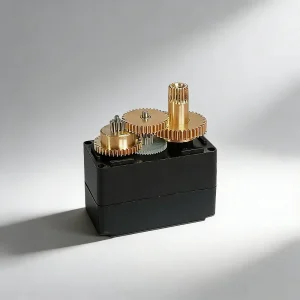
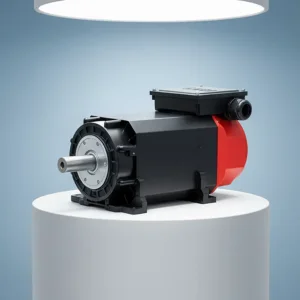
Australia’s industrial sector is undergoing a profound structural shift. Driven by ambitious net-zero emissions targets, rising local energy costs, and an urgent push toward automation, key sectors such as mining, agriculture, bulk material handling, and transport are rapidly moving away from legacy mechanical systems toward high-efficiency electric drive motors.
Historically, the Australian market relied heavily on imported hydraulic drives and classic induction motors. However, modern operational environments in Western Australia’s Pilbara region, Queensland’s coal basins, and South Australia’s agricultural corridors present unique environmental and performance demands that traditional setups fail to meet. Heavy dust loads, saline ambient air, and extreme summer temperatures exceeding 45°C necessitate robust IP66/IP69K ratings, advanced thermal management, and highly integrated Variable Frequency Drives (VFDs).
Furthermore, Australia's transition to localized robotic manufacturing and automated warehouse hubs in Melbourne and Sydney has triggered an unprecedented demand for low-voltage brushless DC (BLDC) motors, linear servo drives, and high-precision AC servo drives. The ability of these systems to deliver precise speed control, minimal downtime, and high torque density in tight spatial envelopes is fundamental to modernizing local manufacturing facilities.
While Australia is rich in natural resources and critical minerals (such as lithium, copper, and rare earths essential for motor magnets), domestic production of integrated electric drive motors is highly constrained by high labor costs and the absence of localized raw-material processing ecosystems. To bridge this gap, Australian procurement managers depend on strategic manufacturing partnerships with state-of-the-art Chinese factories operating under Industry 4.0 paradigms.
Shenzhen DCI Autos Co., Ltd. stands at the forefront of this international cooperation. Established in 2014 and headquartered in Shenzhen—the global epicenter of electric vehicle (EV) innovation and intelligent manufacturing—DCI Autos has developed a highly integrated supply chain model that addresses the typical bottlenecks of international shipping, quality assurance, and engineering compliance.
Operating a modern production facility spanning 28,000 square meters and powered by more than 300 highly skilled employees, DCI Autos manages the entire development loop in-house. This includes structural design, thermal simulation, power electronics design, battery management system (BMS) integration, and validation testing. For Australian distributors, this means immediate access to customized drivetrain solutions that align with Australian Standards (AS/NZS), CE, UL, and ISO 9001 certifications.
Our commitment to Industry 4.0 principles enables us to deploy automated winding machines, robotic laser welding, and inline computerized optical inspection (AOI) to eliminate assembly errors. This level of process control ensures that every electric drive motor shipped to Australia—whether destined for a heavy-duty mining conveyor or a precision laboratory robot—performs reliably from day one.
Understanding local operational parameters is key to successful industrial deployment. In Australia, electric drive motor technologies must adapt dynamically across several niche application areas:
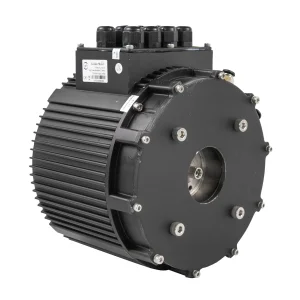
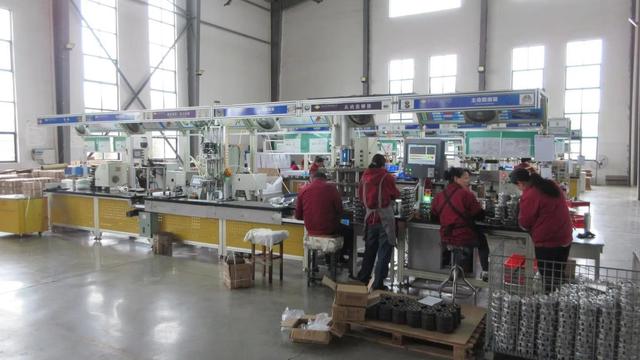
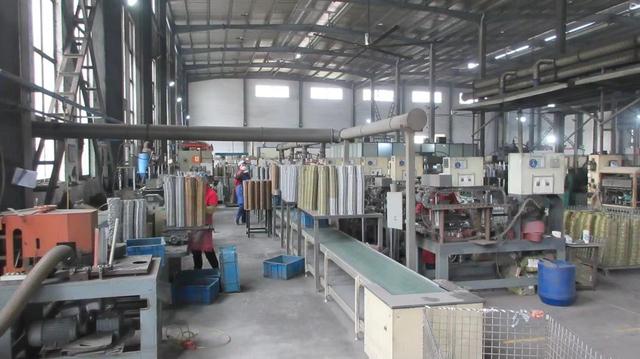
A visual walkthrough of our 28,000 square meter ISO-certified production lines, automated testing bays, and precision validation setups.
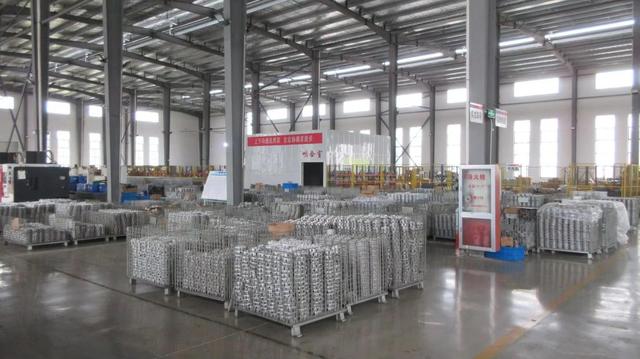
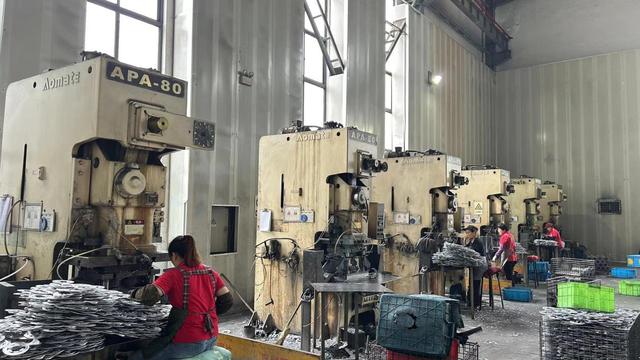
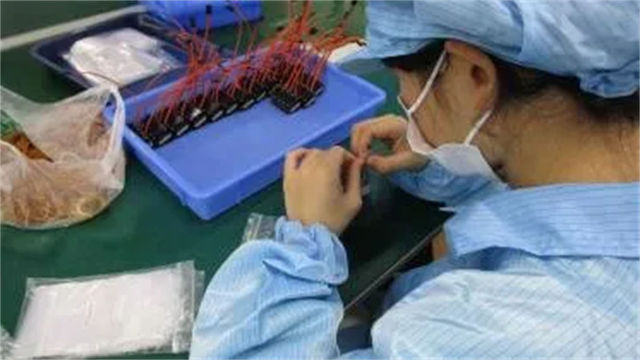
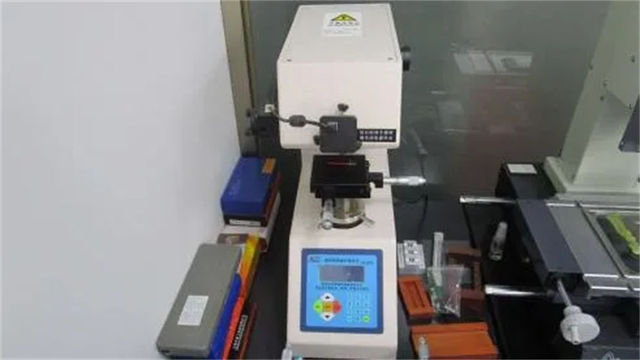
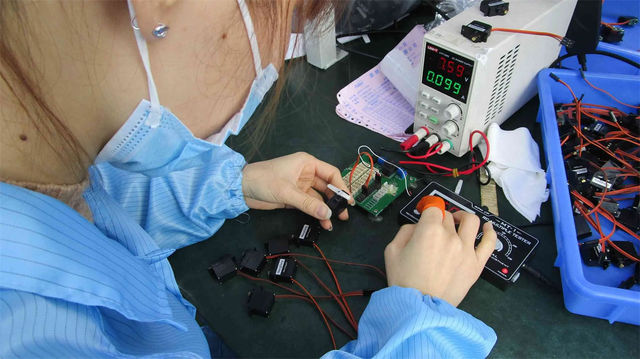
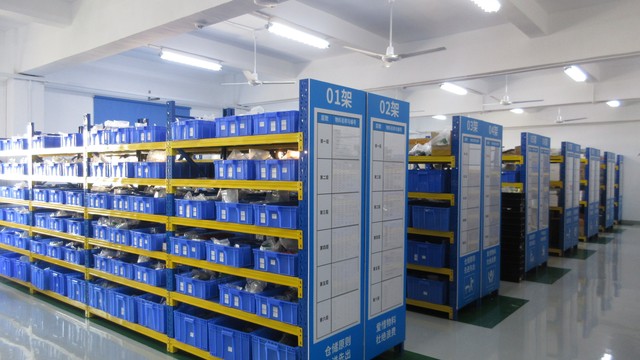
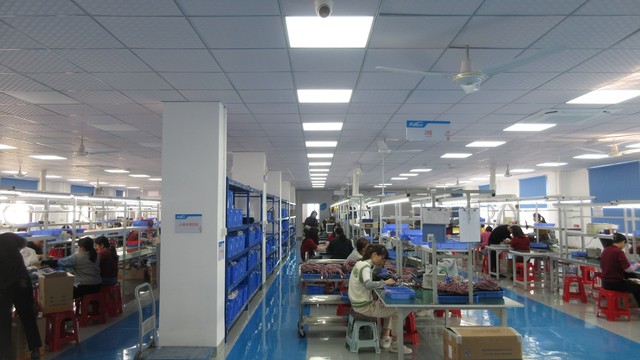
Through robust automation and precise calibration, Shenzhen DCI Autos Co., Ltd. continues to deliver industry-leading performance. By managing the supply chain from raw silicon, copper, and rare-earth magnets to finished integrated drive boards, we reduce failure rates to less than 50 parts per million (PPM), giving our Australian clients peace of mind and substantial cost savings over European alternatives.
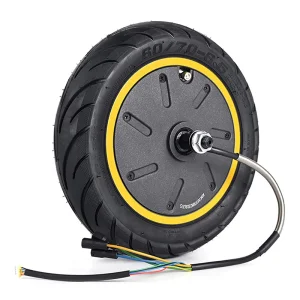
Explore our core catalog, from compact gear motors to multi-kilowatt high-voltage industrial drive systems.
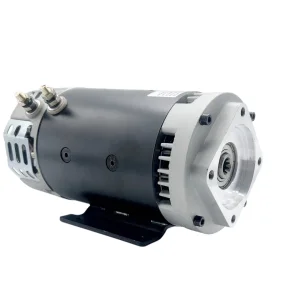
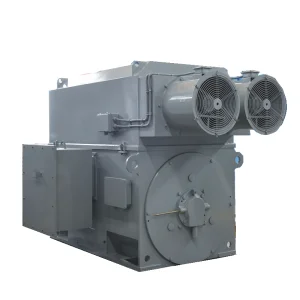
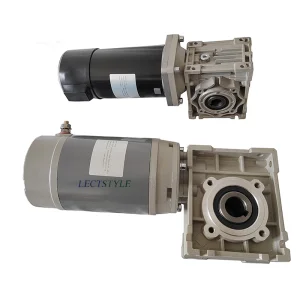
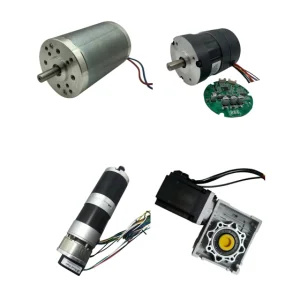
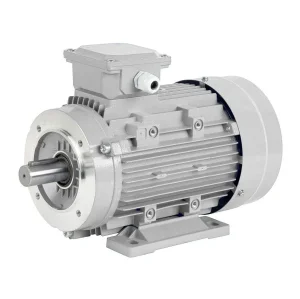
The global electric drive motor market is entering an era of accelerated consolidation and massive technological upgrading. Led by strict carbon regulation policies in the European Union, the United States, and the APAC region, industrial motor efficiency standards are rapidly elevating from IE3 (Premium Efficiency) to IE4 and IE5 (Super Premium Efficiency). Consequently, OEMs and procurement heads are re-evaluating their sourcing frameworks.
Major procurement groups are prioritizing several core factors in their supplier selections:
Shenzhen DCI Autos Co., Ltd. addresses these global expectations directly. Our specialized laboratory infrastructure performs environmental thermal mapping, mechanical stress testing, and electromagnetic compatibility (EMC) testing. By maintaining direct relations with prime chip and raw metal suppliers in Southern China, we shield our Australian and global clients from inflation spikes and ensure steady component delivery times.
Expert answers regarding engineering specs, compliance, and ordering from Shenzhen DCI Autos Co., Ltd. for the Australian market.
 DCI Autos