Direct supply of precision-engineered components designed for EV charging stations, solar energy storage setups, and critical industrial control systems in Nigeria.
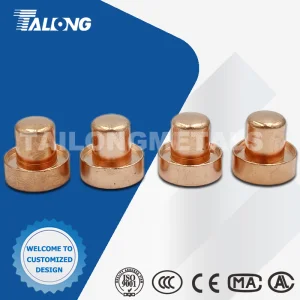
Heavy-duty, high-conductivity forged components designed to handle massive charging currents with minimal heat generation in hot climates.
Technical Details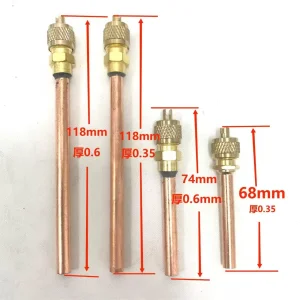
Precision check valves engineered for refrigeration and hydronic cooling systems, ensuring zero backflow and maintaining thermal efficiency.
Technical Details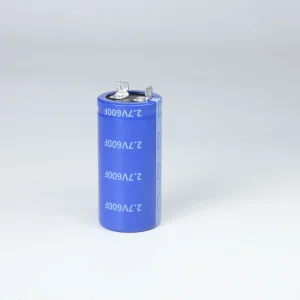
High-reliability energy buffer with ultra-low ESR, specifically built to stabilize power supplies in fluctuating grids and automation environments.
Technical Details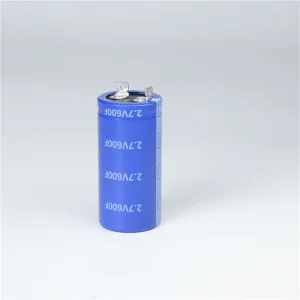
Engineered to buffer peak charge surges and smooth electrical delivery in hybrid off-grid commercial and residential solar projects.
Technical DetailsNigeria, as Africa's largest economic hub, is undergoing a profound energy transition. The traditional reliance on centralized, fossil-fuel-powered grids is actively shifting toward decentralized mini-grids, industrial energy storage systems (ESS), and hybrid commercial power stations. Despite massive investments, the national grid continues to experience structural challenges, including frequent frequency destabilization, voltage drops, and localized outages. For heavy industries, oil & gas installations, telecommunications infrastructure, and emerging electric vehicle (EV) fleets in urban centers like Lagos, Abuja, and Port Harcourt, standard electrical components fall short.
In Nigeria, ambient operational temperatures frequently exceed 40°C in the northern zones, while the southern coastal areas present relative humidity levels above 85%. Standard charging and energy storage systems experience expedited degradation under these parameters. Rapid thermal cycles, high dust loading in the air (exacerbated during the Harmattan season), and extreme voltage surges require industrial components with advanced sealing properties (e.g., specialized EPDM foam gaskets) and thermal resilience.
To bridge the gap between grid instability and operational continuity, local enterprises are increasingly deploying supercapacitor banks and high-capacity industrial stabilizers. In applications like base transceiver stations (BTS) for telecommunications, which form the backbone of Nigeria’s digital economy, integrating components like the 2.7V 600f Industrial Control Supercapacitor or high-current thyristors facilitates seamless transition phases between diesel generators, solar PV systems, and main grid power.
The rise of Solar Mini-Grids across Nigeria’s rural and peri-urban spaces—spurred by initiatives from the Rural Electrification Agency (REA)—has increased the demand for robust switchgear components and high-voltage circuit breakers. Power stabilization is paramount. In hybrid systems, when load profiles shift dramatically, capacitors must buffer the transient voltage spikes to prevent damage to expensive inverter stages. This is why reliable switchgear, such as the SF6 Gas Load Break Switches (LBS), is deployed to isolate system faults with rapid response rates, minimizing the risk of localized grid collapse.
Adapting international electrical engineering standards to West African operational environments is not a one-size-fits-all process. Below are the primary industrial and commercial deployment vectors where robust charging and electrical control systems are currently utilized:
Over 25,000 telecom towers in Nigeria require persistent backup power. By utilizing high-power Thyristor modules for precise rectification and supercapacitors for rapid discharge, operators reduce diesel run-times and lower fuel expenditures.
Off-grid systems in regional logistics hubs rely on high-capacity energy storage systems. Supercapacitor banks serve as instantaneous energy buffers, absorbing solar generation spikes and grid feedback loops without degrading battery chemistry.
As electric two-wheelers and three-wheelers gain traction for urban delivery fleets in Lagos, charging connectors must endure continuous mating cycles under high physical strain. Specialized cold forging ensures long-lasting conductivity.
For instance, in maritime and coastal installations around Apapa Port and Victoria Island, electronic components face salty, corrosive sea air. In these environments, custom EPDM rubber foam components provide crucial environmental seals (IP67 or IP68 ratings) for electrical junction boxes and battery enclosures, keeping damp, salty atmosphere away from critical conductive traces.
The future of grid and mobile power in West Africa belongs to smart, low-maintenance, and ultra-durable energy architectures. Over the next decade, the transition from traditional chemical batteries (such as lead-acid and standard lithium formulations) toward hybrid energy storage system (HESS) architectures will accelerate. By combining supercapacitors with high-density batteries, systems can manage peak loads without exhausting chemical cells, effectively doubling the lifespan of rural solar microgrids.
Industrial charging technology is scaling toward higher voltages to reduce current demands and cable thicknesses, dropping system costs. Deploying 160V supercapacitors directly in industrial power loops avoids multi-stage step-down transformations, thereby maximizing energy recovery and efficiency in automated manufacturing zones across Nigeria.
Simultaneously, the roll-out of 5G telecommunication networks throughout major Nigerian cities necessitates robust radar and antenna systems. High-frequency 5G radomes and waveguide antenna components require high dielectric stability to maintain signal integrity during severe tropical storm seasons. As high-speed communications integrate with modern grid monitoring sensors, these components will play a foundational role in enabling smart grid automation and remote asset management.
Established in 2014, Shenzhen DCI Autos Co., Ltd. is a professional manufacturer specializing in electric vehicle components, power electronics, and advanced mobility technologies for the global automotive and industrial sectors. Headquartered in Shenzhen, Guangdong Province—the global epicenter of electric transportation and intelligent industrial manufacturing—the company operates a state-of-the-art facility spanning 28,000 square meters and is supported by more than 300 highly skilled employees.
DCI Autos is dedicated to designing, testing, and manufacturing battery systems, high-voltage power distribution assemblies, battery management systems (BMS), thermal management configurations, charging system components, and advanced power electronics. Through continuous research and development, we supply robust engineering solutions that support passenger and commercial vehicles, off-grid energy storage systems, and specialized industrial sectors worldwide.
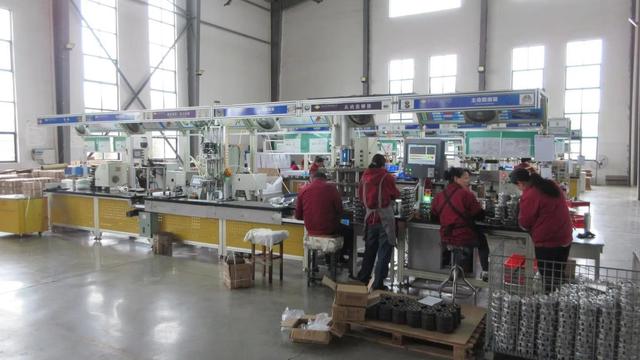
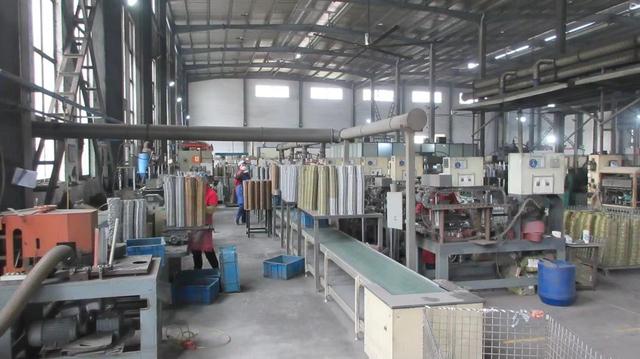
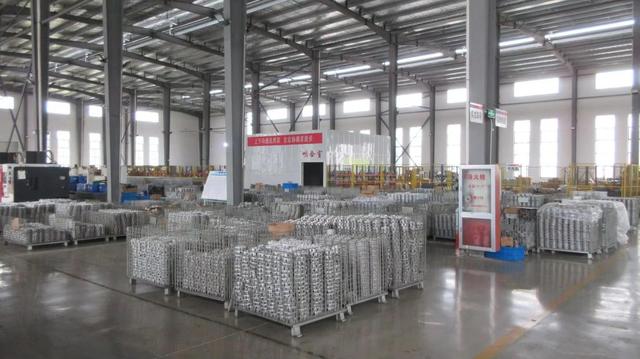
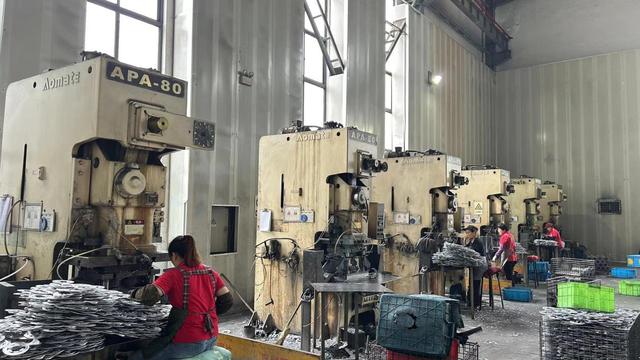
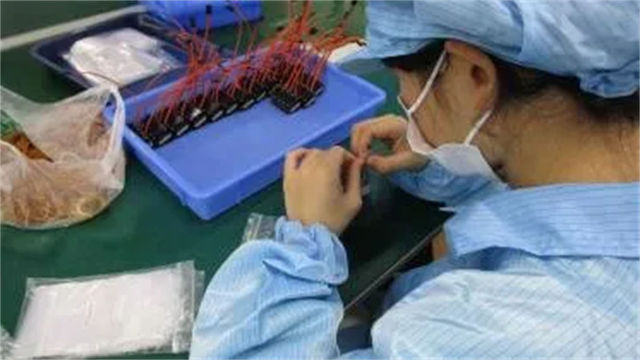
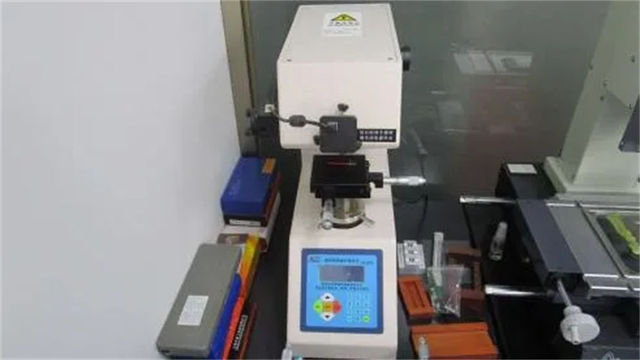
To ensure maximum resilience for our partners in Nigeria and West Africa, DCI Autos employs automated production lines that ensure consistency in every component batch. From cold-forging presses that shape high-purity copper terminals to vibration testing rigs that simulate rough transport and operation environments, every step of our manufacturing workflow is documented. By choosing direct export from our Shenzhen facility, Nigerian industrial procurers bypass intermediate markups, securing access to customized OEM/ODM components built to precise specifications.
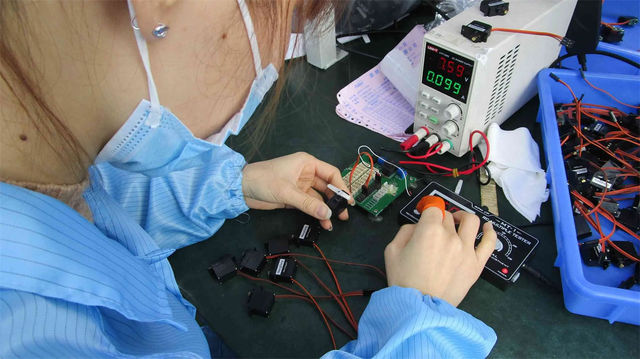
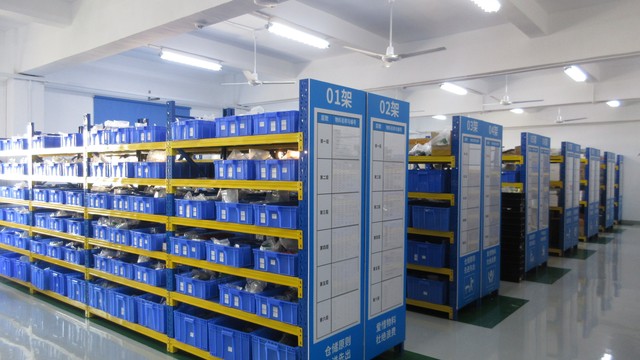
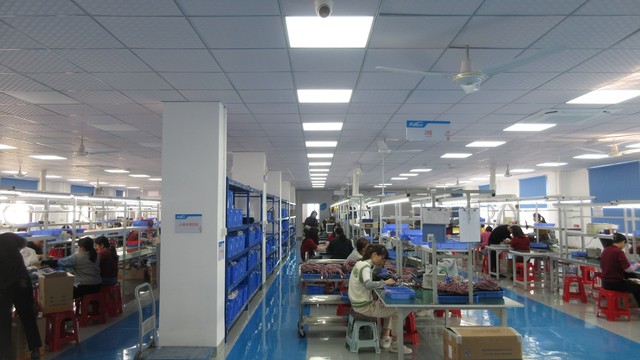
Explore our highly reliable, professional-grade components engineered to meet the strict performance standards of Nigeria's infrastructure and industrial landscape.
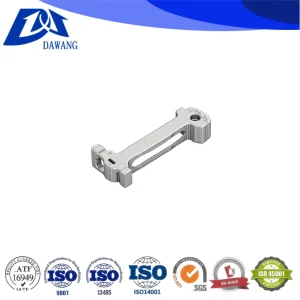
Custom dielectric properties optimized for high-frequency telecommunication towers, maintaining signal clarity during extreme tropical storms.
Technical Details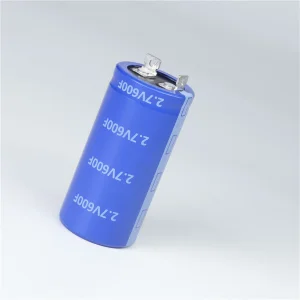
Sealed against salt-spray and high humidity, this supercapacitor offers reliable power buffering for offshore oil rigs and harbor systems.
Technical Details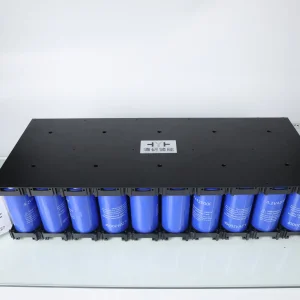
Designed for immediate high-voltage energy storage and smoothing, protecting complex heavy manufacturing equipment from grid brownouts.
Technical Details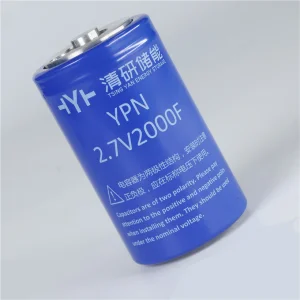
Engineered to recapture and store transient energy spikes, reducing electricity bills in heavy industries using regenerative drives.
Technical Details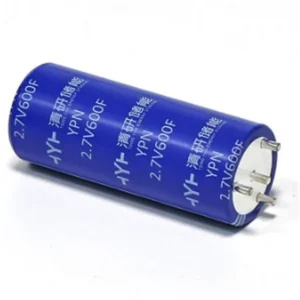
Features robust laser-welded physical structure to survive heavy vibrations and temperature cycling in remote solar microgrids.
Technical Details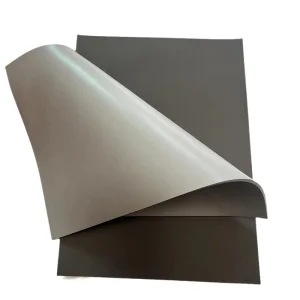
Highly resilient environmental seals designed to prevent dust, salt air, and heavy moisture ingress in remote electrical control panels.
Technical Details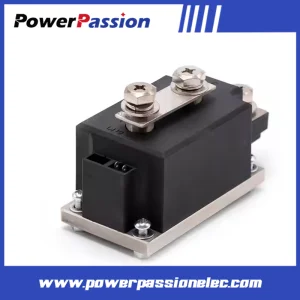
Heavy-duty power semiconductor module ensuring reliable phase control and high blocking voltage capabilities for local industrial drives.
Technical Details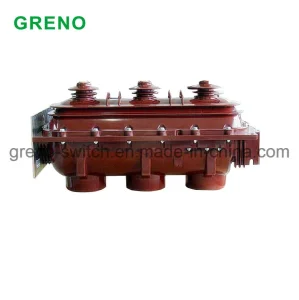
Reliable gas-insulated load break switch ensuring absolute grid safety and fast fault isolation in medium-voltage grid distribution networks.
Technical DetailsExporting high-quality electrical assets to Nigeria requires deep integration with local regulatory bodies to avoid clearance delays and guarantee product-site alignment. At Shenzhen DCI Autos Co., Ltd., we handle these intricacies directly. Every batch of industrial products bound for Nigeria undergoes compliance procedures matching local standards.
We work in lockstep with the Standards Organisation of Nigeria (SON) to supply the necessary Standards Organisation of Nigeria Conformity Assessment Programme (SONCAP) certifications. This ensures our capacitors, switchgear, and thyristors clear customs rapidly through Apapa and Tin Can ports without regulatory blockages.
Our medium and high-voltage grid components (such as SF6 Load Break Switches) are manufactured in accordance with safety guidelines highlighted by the Nigerian Electricity Management Services Agency (NEMSA), ensuring safe deployment in state-sponsored grid extensions.
To withstand long sea journeys and high humidity levels in maritime zones, all our shipments are packaged with vacuum-sealed vapor barriers, anti-corrosive desiccants, and heavy-duty structural crates to secure zero physical damage upon arrival.
Furthermore, our engineering teams assist Nigerian system integrators by supplying comprehensive technical specifications, CAD layout files, and electrical schematics, simplifying installation workflows for local power distribution engineers.
Get professional answers regarding specifications, integration, and import logistics for Nigerian industrial projects.
 DCI Autos