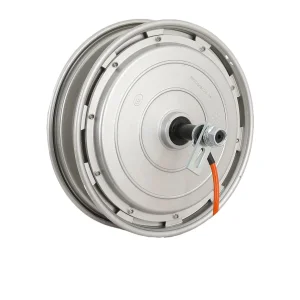
 48V 1000W Electric Bike Conversion Kit Drive Motor
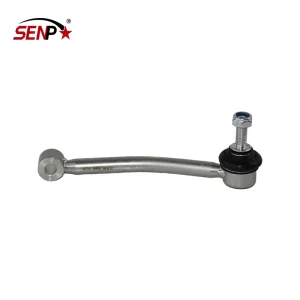 OEM Quality Suspension System Parts Stabilizer Link Fit For Volkswagen ID3 ID4 ID6
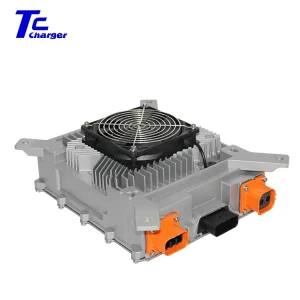 Tc Charger HK-Lf-115-58 6.6kw Waterproof EV Car Charger Obc
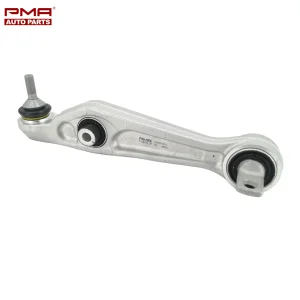 Suspension System Lower Control Arm for Tesla MODEL 3/Y
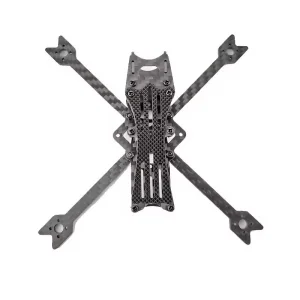 3K Carbon Fiber Parts CNC Machined High Strength Lightweight Panels
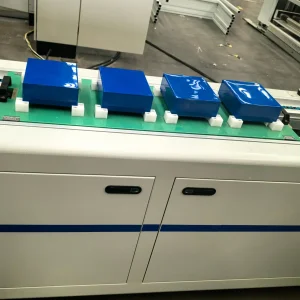 Advanced Huiyao Laser Welding System for EV Battery Modules
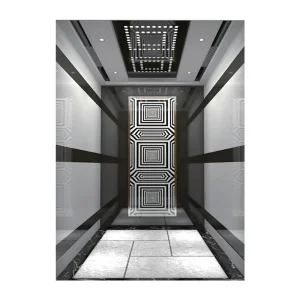 China Foshan FUJI Low Noise Passenger Elevator
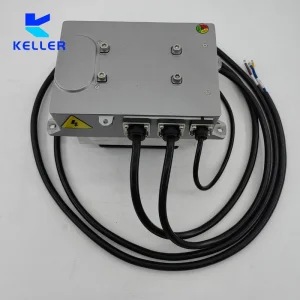 2025 On-Board Charger with Canbus Communication
The global shift toward sustainable mobility has placed Battery Production Equipment Manufacturers at the center of the industrial renaissance. As the demand for lithium-ion and next-generation solid-state batteries surges, the focus has shifted from mere capacity expansion to "Information Gain" and "Precision Optimization." To lead as a top-tier exporter, manufacturers must now integrate AI-driven monitoring, adaptive laser welding, and automated assembly lines that ensure zero-defect output.
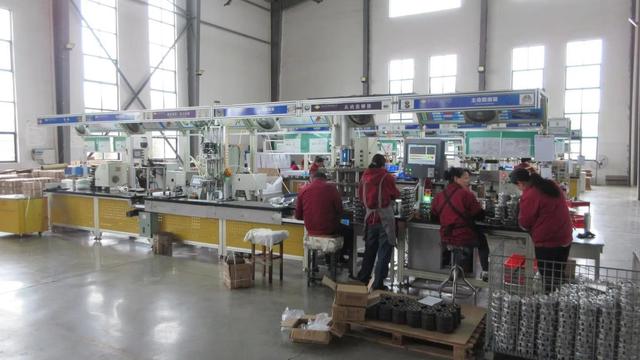
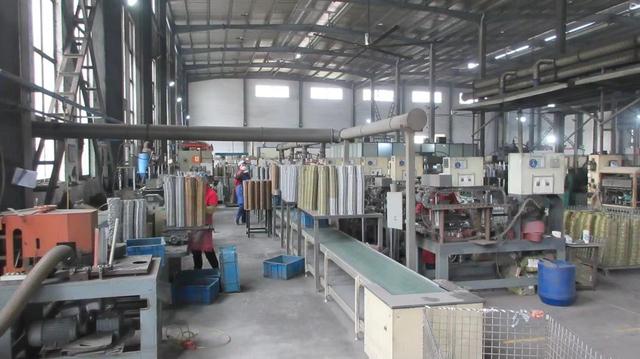
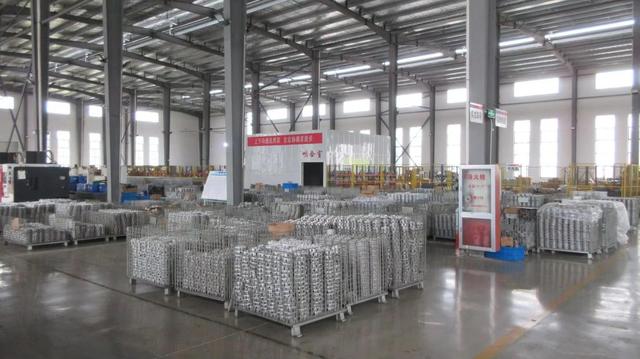
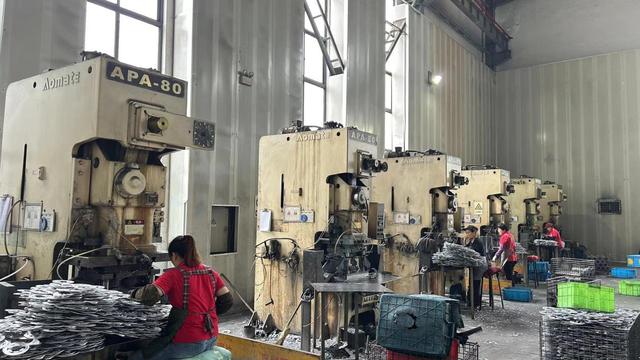
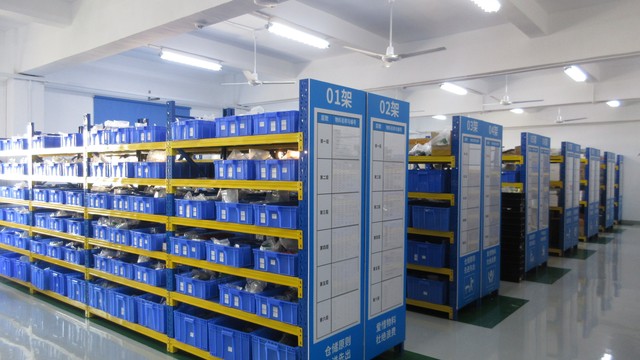
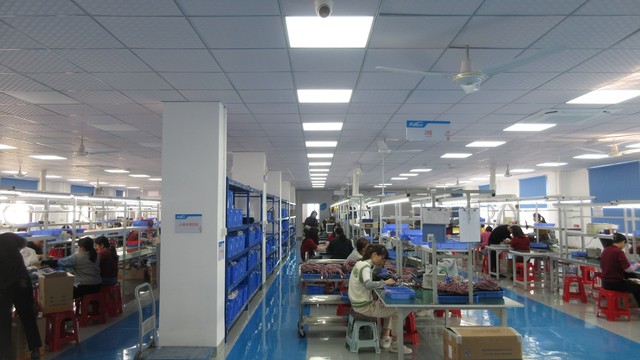
Shenzhen DCI Autos Co., Ltd. is a professional manufacturer specializing in electric vehicle components and advanced mobility technologies for the global automotive industry. Established in 2014, the company is headquartered in Shenzhen, Guangdong Province, a leading center for innovation in electric transportation and intelligent manufacturing. Operating from a modern production facility covering 28,000 square meters and supported by more than 300 employees, DCI Autos has developed comprehensive capabilities in engineering, manufacturing, testing, and international supply chain support.
The company focuses on the development and production of battery systems, power electronics, electric drivetrain components, battery management systems (BMS), charging system components, thermal management solutions, high-voltage electrical assemblies, and integrated EV powertrain technologies. Its products are designed to support passenger vehicles, commercial electric vehicles, light-duty transportation platforms, and emerging mobility applications.
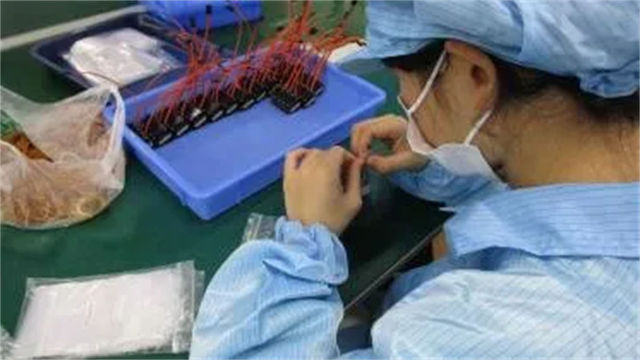
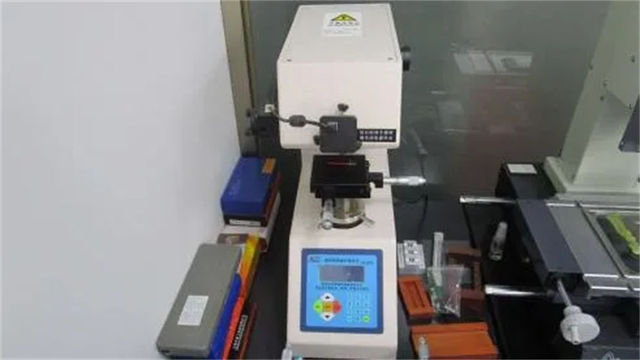
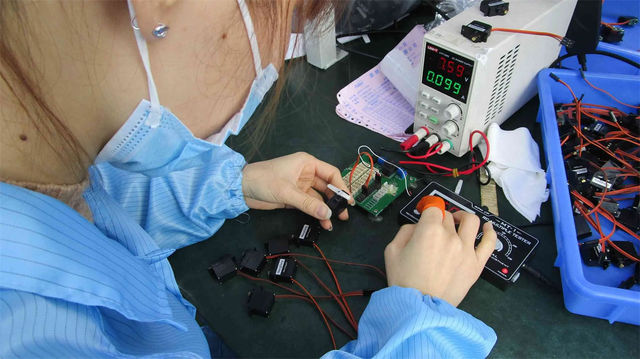
DCI Autos combines advanced manufacturing technologies, automated production equipment, and rigorous quality control procedures to ensure product reliability, efficiency, and long-term operational performance. The company operates dedicated engineering laboratories and testing facilities where products undergo extensive validation, environmental testing, and performance verification throughout the development and manufacturing process.
Manufacturers are transitioning from liquid electrolytes to solid-state chemistry. This requires specialized equipment for high-pressure lamination and dry-electrode coating, reducing solvents and increasing energy density by up to 40%.
Utilizing machine learning to detect microscopic defects in electrode slurry coating. This ensures that every cell meeting the "Tier 1" automotive standard, drastically reducing the risk of thermal runaway in the field.
Modern production lines now include "Design for Disassembly" features. Equipment is optimized to handle recycled materials (black mass) back into the precursor production stage, meeting strict EU Battery Regulations.
To succeed in international markets, battery equipment must provide more than just hardware. It requires a holistic "Macro Industry Solution" that includes Localization Support and Compliance Assurance. Shenzhen DCI Autos Co., Ltd. addresses these needs through:
Procurement directors at major automotive OEMs look for three core pillars when selecting a battery equipment partner: Total Cost of Ownership (TCO), Scalability, and Technical Longevity. DCI Autos leverages its 28,000 sqm facility to provide economies of scale without compromising on the precision required for high-voltage assemblies.
Today, Shenzhen DCI Autos Co., Ltd. serves customers across North America, Europe, Southeast Asia, the Middle East, South America, and other international markets. Through continuous innovation, precision manufacturing, and customer-focused collaboration, the company remains committed to supporting the global transition toward sustainable transportation and next-generation electric mobility technologies.
The roadmap for 2025-2030 involves the full digitization of the battery shop floor. "Digital Twin" technology will allow manufacturers to simulate production runs before a single electrode is coated. This reduces waste and accelerates the time-to-market for new battery chemistries like Sodium-ion (Na-ion), which is gaining traction for energy storage systems (ESS).
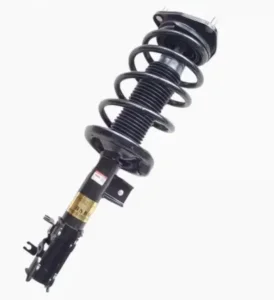 Shock Absorber EV Battery Weight Balance Adaptive Damping System
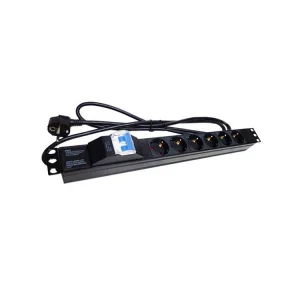 19inch 1U EV Adjustable Telecom DC Power Distribution Unit
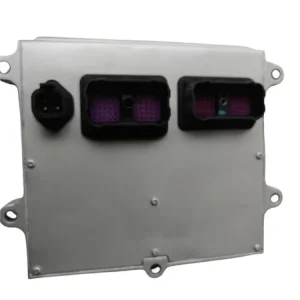 City Bus EV Control Unit Vcu High Reliability Controller
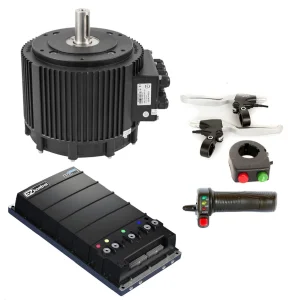 PMSM Motor 72v 10KW Electric Drives for Vehicles
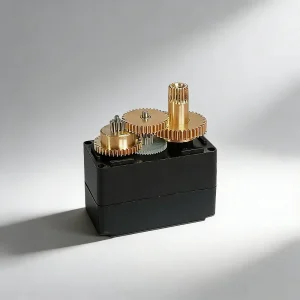 27g Linear DC Servo Motor for Industrial Automation
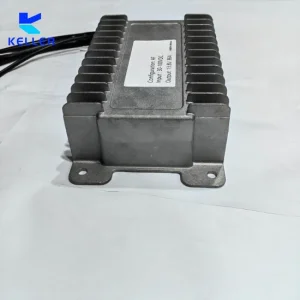 Industrial Grade 500W DC-DC Converter 72V 12V 94% Efficiency
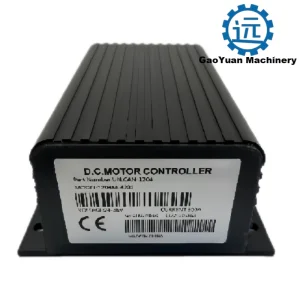 Aftermarket Replacement Genie PMC DC 24/36V Motor Controller
 Passenger Lift/Elevator with Monarch Controller
 DCI Autos