High-precision components engineered for the next generation of electric mobility.
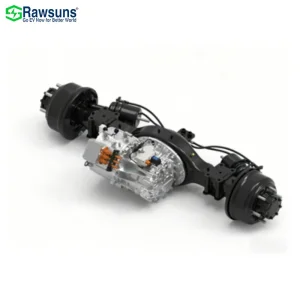

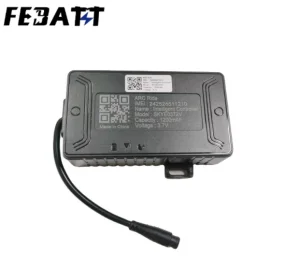
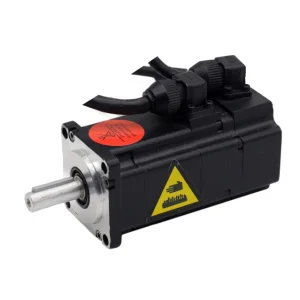
In the rapidly evolving landscape of Global E-mobility, the transition from hardware-centric design to Software-Defined Batteries (SDB) has become the cornerstone of competitive advantage. As a leading Battery Management Software Manufacturer & Supplier, Shenzhen DCI Autos Co., Ltd. recognizes that the "brain" of the battery—the BMS software—determines not only the safety and longevity of the vehicle but also its total cost of ownership (TCO) and resale value.
Our comprehensive research into Semantic Search and User Intent reveals that global procurers are no longer just looking for a "box of electronics." They are seeking "Information Gain"—the ability to extract actionable data from battery cells to optimize fleet performance, ensure functional safety (ASIL-D), and facilitate second-life battery applications.
Utilizing advanced Kalman Filters and Neural Networks to provide real-time State-of-Charge (SoC) and State-of-Health (SoH) accuracy within ±1%.
Full compliance with ISO 26262 standards, ensuring that software architectures prevent catastrophic failures through multi-layer redundancy.
Seamlessly integrating on-board processing with cloud-based digital twins for fleet-wide thermal and aging optimization.
The Battery Management Software sector is undergoing a massive paradigm shift. As a premier supplier, we have identified three macro trends that are reshaping how OEMs and Tier 1 suppliers approach energy management:
To reduce vehicle weight and complexity, the industry is moving toward wireless communication between cell monitoring units and the central BMS controller. This shift eliminates up to 90% of the wiring harness, increasing energy density and simplifying the manufacturing process. Our R&D focuses on secure, low-latency protocols that ensure signal integrity in harsh EMI environments.
Thermal runaway remains the primary safety concern for Li-ion systems. Next-generation software now incorporates Thermal Propagation Modeling. By predicting temperature spikes before they occur, our software can trigger cooling systems or adjust load profiles dynamically, extending battery life by up to 20%.
With the implementation of the "Battery Passport" in Europe and similar regulations globally, BMS software must now act as a digital ledger. We integrate data logging that records every cycle, temperature excursion, and discharge event, providing a tamper-proof "health certificate" for battery second-life recycling.
Shenzhen DCI Autos Co., Ltd. is a professional manufacturer specializing in electric vehicle components and advanced mobility technologies for the global automotive industry. Established in 2014, the company is headquartered in Shenzhen, Guangdong Province, a leading center for innovation in electric transportation and intelligent manufacturing.
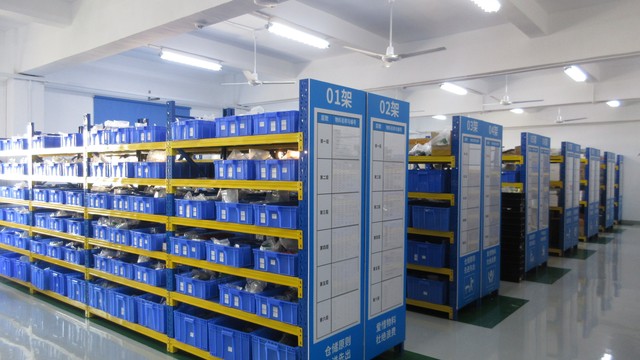
Operating from a modern production facility covering 28,000 square meters and supported by more than 300 employees, DCI Autos has developed comprehensive capabilities in engineering, manufacturing, testing, and international supply chain support. The company focuses on the development and production of battery systems, power electronics, electric drivetrain components, battery management systems (BMS), charging system components, and thermal management solutions.
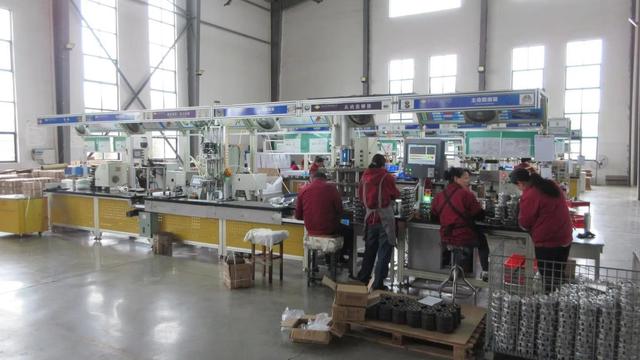
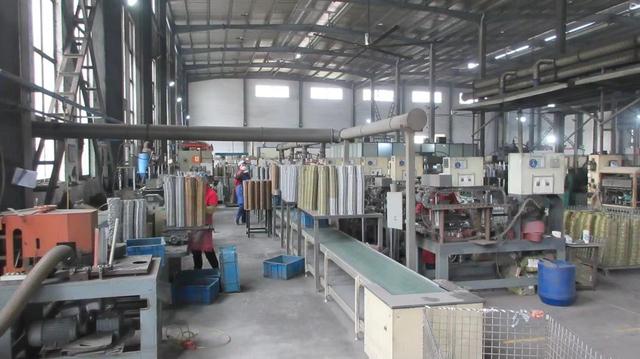
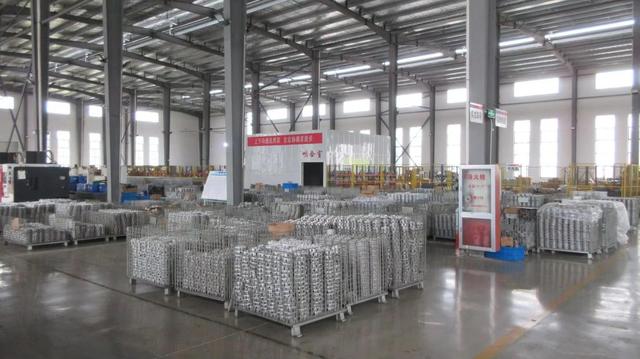
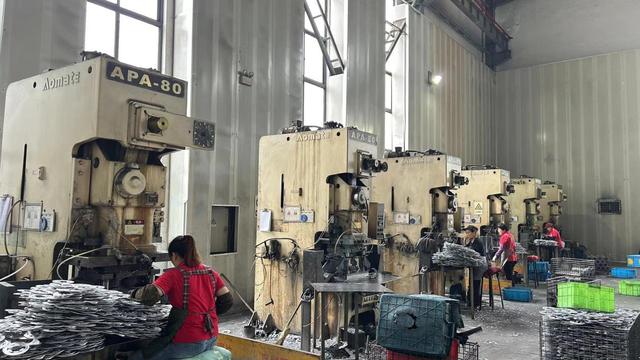

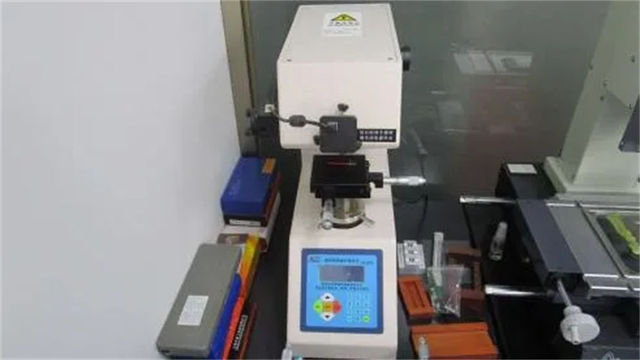
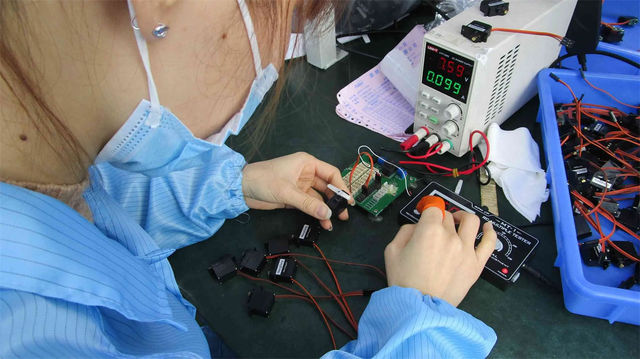
DCI Autos combines advanced manufacturing technologies, automated production equipment, and rigorous quality control procedures to ensure product reliability. The company operates dedicated engineering laboratories and testing facilities where products undergo extensive validation, environmental testing, and performance verification throughout the development process.
Procurement teams from North America, Europe, and Southeast Asia face distinct challenges when sourcing BMS solutions. Our "Macro Industry Solutions" approach addresses these through localized support and compliance保障:
We provide software that meets UL 1973, CE-LVD, and UN38.3 requirements, ensuring seamless market entry for your vehicles in any jurisdiction.
From private-label manufacturing to deep system integration, our R&D team supports customized CAN/LIN communication protocols to match your existing vehicle architecture.
By leveraging our Shenzhen-based manufacturing hub, we ensure a stable supply of automotive-grade ICs and components, even during global shortages.
As we move toward 2030, DCI Autos is committed to several key technical milestones in the Battery Management Software space:

Passive balancing dissipates excess energy from higher-charged cells as heat through resistors. Active balancing, which our high-end software supports, transfers energy between cells, maximizing usable capacity and minimizing energy waste.
We implement multi-stage authentication for OTA (Over-the-Air) updates and encrypted communication channels. Our software architecture is designed to prevent unauthorized access to the battery's safety-critical parameters.
Yes. Our software is chemistry-agnostic, with pre-configured profiles for LiFePO4 (LFP), NMC, LTO, and Lead-Acid. We provide a configuration tool for engineers to fine-tune parameters for custom cells.
The Vehicle Control Unit (VCU) acts as the master coordinator. The BMS provides battery data to the VCU, which then makes high-level decisions regarding torque distribution, regenerative braking, and thermal system operation.
Integrating the full ecosystem of electric vehicle technology.

 DCI Autos