Whitepaper & Technical Guide

Top China Grid Integration Solutions Manufacturers & Exporter

Pioneering High-Efficiency Power Electronics, Battery Management Systems (BMS), and EV Drivetrain Integration to Support Global Smart Grid Resilience and Sustainable Mobility

Primary Grid Integration & Power Electronics Systems

Explore our advanced battery management architectures, diagnostic hardware, dynamic vehicle components, and smart telemetry interfaces developed to optimize clean energy distribution.
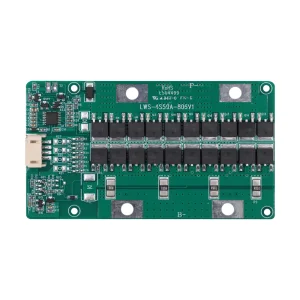
LiFePO4 BMS 4s 50A 100A Battery Management System

LiFePO4 BMS 4s 50A 100A Battery Management System Smart BMS 4s for Lithium Ion Batteries

Explore Product Specifications
Regenerative Braking System Component

Regenerative Braking System Component for Byd Seagull Designed for Energy Recovery and Sustainable Vehicle Operation

Explore Product Specifications
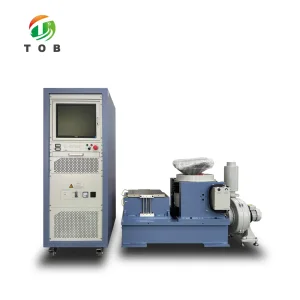
Tob Electrodynamic Vibration Testing System

Tob Electrodynamic Vibration Testing System for Lithium Ion Battery

Explore Product Specifications
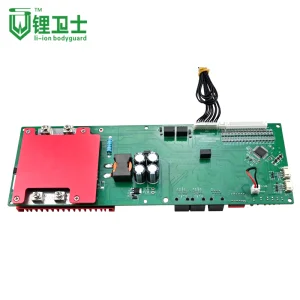
Protection Circuit Board Lithium Power BMS

Protection Circuit Board Lithium Power Battery Management System BMS 16s 50A 100A Li Ion Battery BMS

Explore Product Specifications
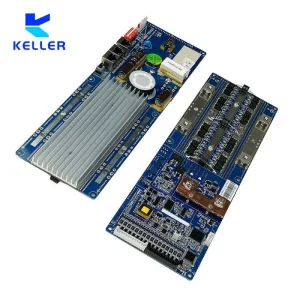
Smart BMS with Can Bus LiFePO4 48V 100A

Smart BMS with Can Bus LiFePO4 48V 100A 16s Battery Management System BMS

Explore Product Specifications
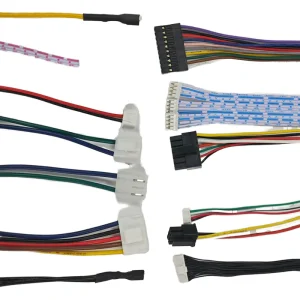
Precision Custom Drone Harness

Precision Custom Drone Harness 2-14 Pin Connector Kit Waterproof PVC Insulation For UAV FPV Racing Photography

Explore Product Specifications
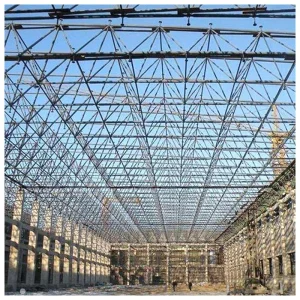
Lightweight Space Frame Components

Lightweight Space Frame Components Cost-Effective Shipping for Remote Area Projects

Explore Product Specifications
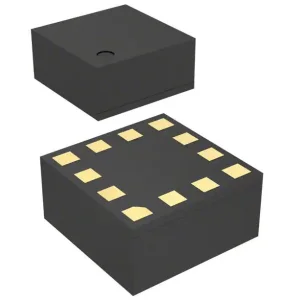
Lsm303ctr Electronic Components

Lsm303ctr L4981bd013tr Stm32f437iih6tr Stm32L162ret6tr Stm32g473rct6 M95m01-Dwmn3tp/K Electronic Components

Explore Product Specifications
Industrial Analysis

1. The Global Landscape of Industrial Grid Integration & Electrification

Modern electrical infrastructure is undergoing a fundamental transformation. The traditional top-down power distribution model is evolving into a dynamic, multi-directional grid that must seamlessly incorporate volatile renewable energy sources, handle decentralization through microgrids, and support massive electric vehicle (EV) charging demands. The concept of Grid Integration Solutions has shifted from simple mechanical substations to highly intelligent power electronics, digital battery intelligence, and grid-responsive subsystems.

Global Smart Grid Outlook: Why Core Components Determine System Stability

According to international energy transition analyses, the global demand for utility-scale energy storage and grid-tied systems is expected to grow by over 23% CAGR through 2030. To maintain system frequency and voltage levels under sudden load steps—such as multi-megawatt EV fast-charging stations—stationary battery storage units must react within milliseconds. This requires state-of-the-art power electronics, high-speed controller area networks (CAN Bus), and highly reliable Battery Management Systems (BMS) capable of handling active balancing, multi-cell state-of-health (SoH) diagnostics, and instantaneous galvanic isolation.

Across North America, Europe, and the Asia-Pacific region, heavy industries are moving towards on-site renewable generation (behind-the-meter installations) paired with Battery Energy Storage Systems (BESS). Simultaneously, commercial transport and municipal fleets are shifting to electric drivetrains. These systems do not function in isolation; they represent distributed energy nodes. If a system's battery management, power conversion, or local thermal control fails, it can disrupt the local distribution network, leading to significant financial losses and downtime. Thus, sourcing verified components from experienced manufacturing partners is critical for global OEMs and EPC (Engineering, Procurement, and Construction) companies.

2. Core Grid Integration Technology & Battery Management Architectures

At the center of any smart grid interface or electric drivetrain is the battery pack and its corresponding monitoring systems. Lithium-based chemistries, particularly Lithium Iron Phosphate (LiFePO4) and Nickel Manganese Cobalt (NMC), require strict operational boundary enforcement to ensure longevity, safety, and efficiency.

Smart BMS & Cell Balancing

Advanced BMS architectures, such as the 4S to 16S (12V to 48V nominal) solutions, act as the primary defense line. Utilizing active or passive cell balancing, they dissipate excess energy from overcharged cells, ensuring the entire pack reaches its maximum capacity. This prevents localized heat generation and extends the operating life of lithium packs by up to 30%.

CAN Bus Integration

In high-capacity utility grids and EV operations, individual battery packs must communicate their real-time state with central controllers. Integrated CAN Bus protocols facilitate high-speed, noise-immune telemetry transmission, enabling active load-shedding and responsive charging commands.

Thermal Management & Reliability

Thermal stability is a primary safety concern for large energy storage systems and EV platforms. Without advanced liquid-cooling manifolds or heat-dissipating chassis assemblies, high charge-discharge rates can lead to thermal runaway. High-efficiency heat exchangers and structured radiators maintain cells within their optimal 20°C to 35°C operational window.

For high-capacity applications, such as a 16S battery management framework configured for 48V 100A operations, the circuitry must handle high continuous currents without significant voltage drop or excessive heat generation at the PCB trace levels. Utilizing high-performance MOSFETs with low drain-source on-resistance (RDS(on)) and heavy-copper PCBs is standard for industrial-grade systems. This guarantees minimal insertion losses, optimizing the overall Round-Trip Efficiency (RTE) of the storage system.

3. Shenzhen DCI Autos Co., Ltd.: Professional Engineering & Global E-E-A-T

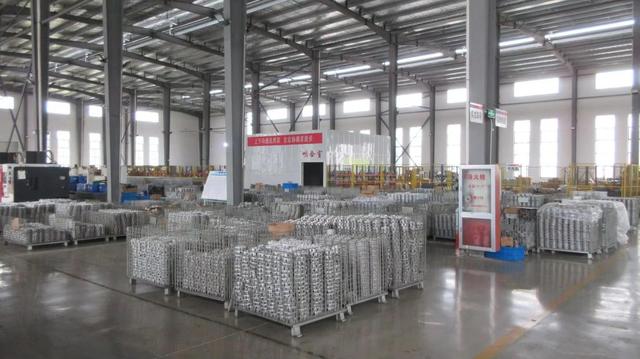
Established in 2014, Shenzhen DCI Autos Co., Ltd. is a leading manufacturer specializing in electric vehicle components, power electronics, and grid-supportive energy storage systems. Located in Shenzhen, Guangdong Province—the center of electric vehicle innovation and advanced manufacturing—we offer high-quality engineering and robust global supply chain integration.

28,000㎡
Production Facility
300+
Expert Staff & Engineers
2014
Year Established
100%
Quality & Testing Compliant

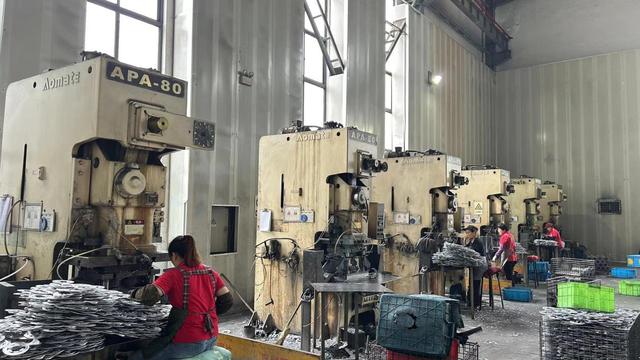
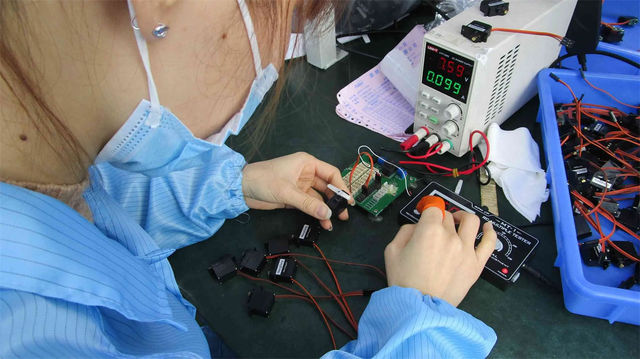
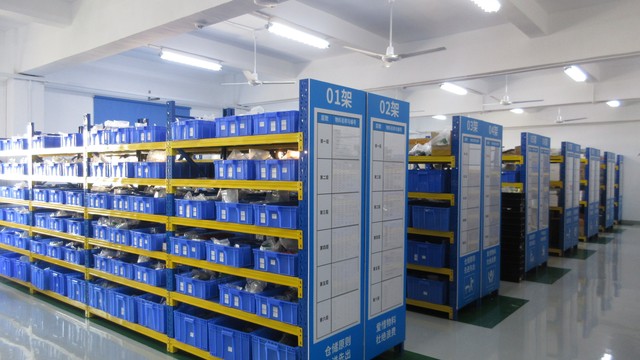
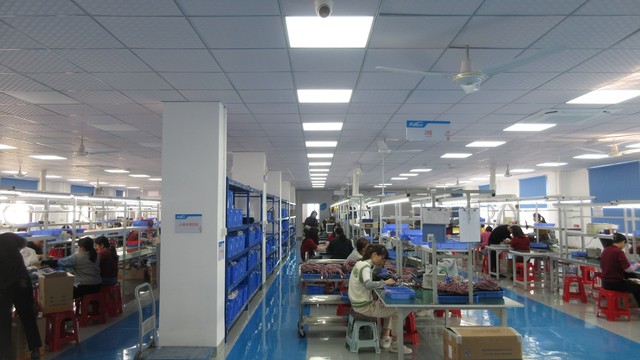
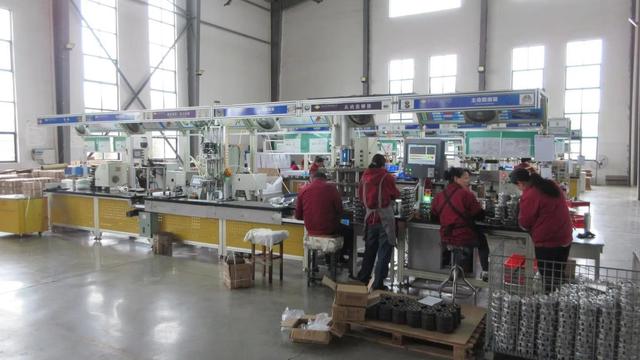
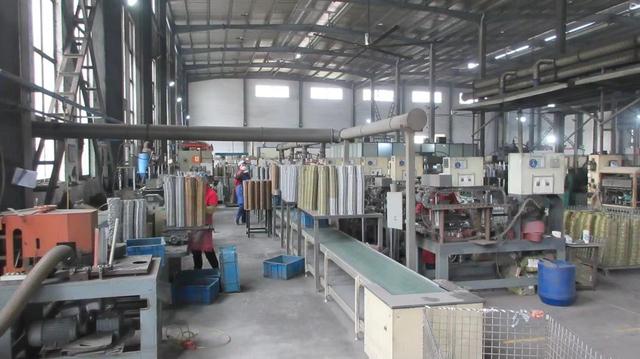
Operating a modern facility covering 28,000 square meters and supported by over 300 employees, DCI Autos has developed comprehensive capabilities in engineering, manufacturing, testing, and international logistics. Our core engineering focus centers on high-precision battery systems, vehicle drivetrain dynamics, advanced power electronics, custom waterproof wiring systems, and thermal cooling integrations designed to meet international standards (including ISO9001, CE, and RoHS).

We provide full-spectrum OEM and ODM services. From customized BMS firmware configurations and bespoke battery protection circuits to vehicle suspension components and high-capacity electrical distribution boards, our team works closely with global partners to deliver reliable, tailormade engineering solutions.
4. The China Manufacturing Advantage: Cost-Efficiency, R&D Agility, and Supply Chain Integration

Sourcing grid integration components from Chinese manufacturers, particularly those in Shenzhen, offers significant strategic advantages. The region's dense industrial ecosystem brings together raw material sourcing, semiconductor distribution, high-speed SMT assembly lines, and specialized testing facilities into a cohesive, highly responsive supply chain.

  • Unmatched Supply Chain Depth: From fundamental semiconductor sourcing (such as STM32 microcontrollers and power MOSFETs) to heavy-duty structural steel space frames, all inputs are sourced within a tight geographical radius, reducing lead times and shipping costs.
  • Rapid Prototyping and R&D Iteration: DCI Autos can move from CAD designs and circuit board layouts to functional, bench-tested prototypes in a fraction of the time required by Western manufacturers, accelerating product development cycles.
  • Automated Mass Production: High-speed automated Pick-and-Place systems, selective wave soldering, and automated optical inspection (AOI) systems ensure consistent build quality across large volumes, keeping unit costs competitive.
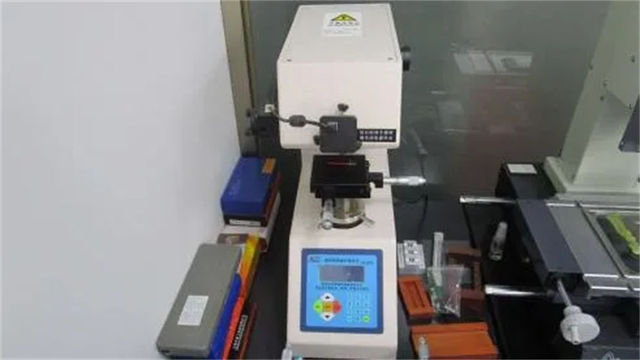
  • Rigorous Testing Protocols: Advanced testing systems, including electrodynamic vibration tables and climatic chambers, validate product durability against thermal shock, moisture ingress, and continuous mechanical stress before shipping.

5. Localized Application Scenarios: Where Our Systems Deliver Value

DCI Autos' components are utilized across a wide range of commercial and industrial applications worldwide:

A. Microgrids and Remote-Area Off-Grid Electrification

In remote regions without access to high-voltage transmission lines, mining operations, agricultural facilities, and communities rely on microgrids. Our lightweight space frames, outdoor power switchboards, and high-capacity BMS support stable, off-grid energy storage systems (BESS). These systems buffer solar or wind generation, protecting localized networks from load fluctuations.

B. Municipal Fleet Electrification & EV Charging Infrastructures

Upgrading municipal transit and fleet logistics to support electric buses and delivery vehicles requires significant grid connection support. DCI Autos manufactures outdoor power supply switchboards and high-capacity distribution systems that manage the 380V three-phase inputs required by high-power DC fast chargers. These systems protect the local grid from voltage sags while ensuring safe power delivery to vehicles.

C. High-Efficiency Commercial Vehicle Assembly

For modern commercial transport, maximizing passenger comfort and energy recovery is essential. Integrating regenerative braking components, precision suspension control arms, and high-efficiency water-cooling radiators ensures optimal vehicle performance and range. This makes our components highly suitable for modern electric buses and transit vehicles.

Power Distribution, Thermal Control & Automotive Subsystems

Browse our selection of heavy-duty power boards, vehicle thermal management components, robust suspension elements, and highly integrated electric drive accessories.
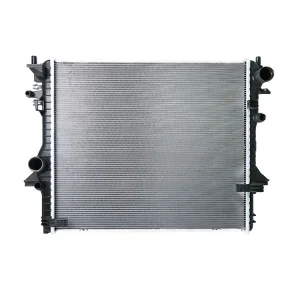
Vehicle Radiators Car Cooling Parts BYD Qin/Yuan

Vehicle Radiators Car Cooling Parts 324532000/HDE1301030B Radiator for BYD Qin/Yuan Plus Ev 2021-

Explore Product Specifications
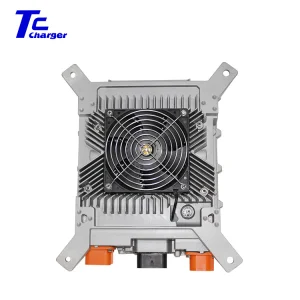
Tc Charger 6.6kw Obc on Board Charger

Tc Charger 6.6kw Obc on Board Charger with Waterproof for EV Charger HK-Lf-144-46

Explore Product Specifications
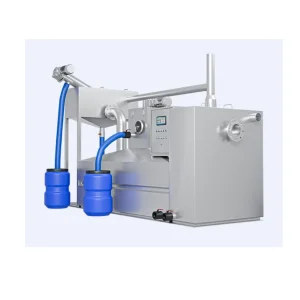
Smart Integrated Grease Management System

Smart Integrated Grease Management System with Thermal Emulsion Control

Explore Product Specifications
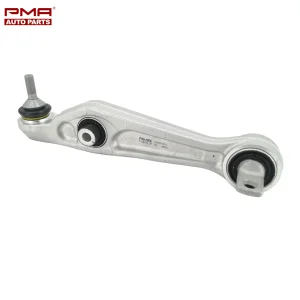
Suspension System Lower Control Arm for tesla MODEL 3

Auto Spare Car Parts 1044341-00-d 1188341-00-C Suspension System Lower Control Arm for tesla MODEL 3 5YJ3 EV Y 5YJY EV

Explore Product Specifications
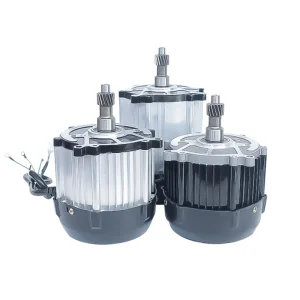
800W DC Brushless Motor Differential Assembly

800W DC Brushless Motor Differential Assembly Motor Drives Low Speed Permanent Magnet Electric Tricycle, Tricycle, Four-Wheeler Motor

Explore Product Specifications
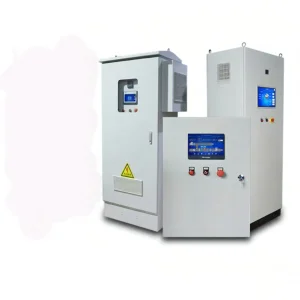
Outdoor Power Supply Switchboard 380V

2026 NEW Outdoor Power Supply Switchboard 380V Electric Distribution Board for EV Charging Station

Explore Product Specifications
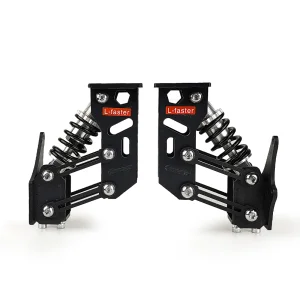
Customized Spring Shock Absorption Suspension Bracket

L-faster 2 PCS Customized Spring Shock Absorption Suspension Bracket for Single Axle Electric Hub Wheel Motor

Explore Product Specifications
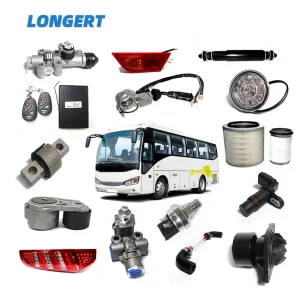
Bus Parts for King Long, Higer & Zhongtong Coaches

Bus Parts for King Long, Higer & Zhongtong Coaches | Lightweight Vehicle Body, Chassis & Complete Bus Components

Explore Product Specifications

6. Core Purchasing Factors for Global Procurement Managers (B2B)

When selecting a manufacturing partner for grid integration and EV components, procurement managers and technical directors evaluate several key factors to minimize risk and ensure long-term reliability:

Key Technical Benchmarks for Industrial Sourcing:

  • Certification & Compliance: Components must comply with international standards such as CE, RoHS, and UL, ensuring they can be legally and safely integrated into larger commercial systems.
  • Quality Control Protocols: Production facilities must feature end-to-end quality control, including automated optical inspections (AOI), functional circuit testing, and environmental chamber validation.
  • Customization Capabilities: The manufacturer should offer OEM/ODM services, including firmware optimization (such as CAN Bus identifier configuration) and mechanical modifications (such as custom space frame structures).
  • Thermal and Environmental Resilience: Components must be rated to perform under harsh conditions, including wide temperature ranges and high-vibration environments.

Shenzhen DCI Autos Co., Ltd. addresses these requirements through rigorous testing and manufacturing processes. Our dedicated test labs subject products to automated lifecycle and environmental validation, ensuring consistent performance for global projects.

7. Global Procurement & Custom Integration Workflows

As a global partner, DCI Autos has developed a structured process to support project integration from initial concept to volume delivery:

  1. Technical Assessment: Our engineering team reviews the client's specifications, including voltage requirements, thermal targets, communication protocols, and mechanical constraints.
  2. Prototyping & Simulation: We generate CAD models and PCB layouts, followed by functional prototype production. These prototypes undergo strict bench testing to verify performance limits.
  3. Compliance Verification: Custom assemblies undergo electrodynamic vibration, thermal shock, and electromagnetic compatibility (EMC) testing.
  4. Mass Production & Quality Control: Following approval, the product moves to automated assembly lines under continuous quality monitoring.
  5. Global Logistics Support: We handle complete export clearance, documentation, and secure packaging to ensure safe delivery to international ports.

8. Strategic Industry Trends: The Integration of AI and Smart Grids

Looking ahead, several key trends will shape the future of grid integration and EV infrastructure:

Predictive Maintenance via AI: Modern BMS are moving beyond simple safety monitoring to incorporate predictive algorithms. By tracking slight changes in internal cell resistance over time, the system can flag potential issues before a cell failure occurs, reducing maintenance costs for large-scale energy storage.

Vehicle-to-Grid (V2G) Technologies: Next-generation on-board chargers (OBC) and power distribution systems must support bidirectional energy flow. This allows electric vehicle fleets to act as mobile batteries, supplying power back to the grid during peak demand periods to support overall grid stability.

Higher Voltage Operations: The industry is shifting from 400V toward 800V and higher architectures. This transition reduces resistive losses, allows for thinner wiring harnesses, and enables faster charging times, requiring components with higher insulation ratings and advanced thermal performance.

9. Technical Frequently Asked Questions (FAQ)

Q1: What is the primary role of a Smart BMS in large-scale energy storage and grid integration? +
A Smart BMS (Battery Management System) acts as the control unit for battery arrays. It monitors cell-level parameters, performs balancing to ensure maximum capacity, and communicates status via CAN Bus. In grid integrations, the BMS acts as the primary safety barrier, managing disconnects under fault conditions to protect the equipment and the local grid.
Q2: How does DCI Autos support custom OEM/ODM requests for power electronics and wiring harnesses? +
We offer full OEM/ODM services from our 28,000 square meter facility. Our engineering team can configure custom BMS firmware (such as modifying CAN Bus protocols), design custom multi-pin waterproof wiring harnesses, and manufacture structural components tailored to specific regional requirements.
Q3: Why is thermal management critical for vehicle and stationary battery systems? +
Lithium batteries operate best within a temperature range of 20°C to 35°C. Excessive heat accelerates degradation and increases safety risks, while extreme cold reduces capacity and efficiency. Integrating high-performance radiators and thermal controls ensures safety, longevity, and reliable power delivery.
Q4: What testing procedures do products undergo before international delivery? +
All components undergo rigorous QA protocols. Electronics are inspected via AOI systems and function-tested. Assemblies subject to physical stress, such as vehicle and outdoor units, undergo electrodynamic vibration testing, thermal shock tests, and waterproof sealing validation to ensure reliable outdoor and industrial operation.
Q5: How do the 380V outdoor distribution boards support EV charging infrastructure? +
Our 380V outdoor power supply switchboards are built for EV charging stations. They manage the three-phase AC input, distributing power to DC fast chargers. They feature built-in overcurrent protection, surge suppression, and environmental sealing to ensure stable charging operations under varied weather conditions.