The global EV landscape is no longer just about battery capacity; it's about the synergy of software, advanced thermal management, and power density. Here are the defining trends for 2025:
Shifting from 400V to 800V reduces charging times significantly and allows for thinner, lighter cabling, improving overall vehicle efficiency.
Safety and energy density are being redefined as manufacturers transition from liquid electrolytes to solid-state solutions to eliminate fire risks.
The decoupling of hardware and software allows for Over-The-Air (OTA) updates, enabling "functional evolution" throughout the vehicle's lifespan.
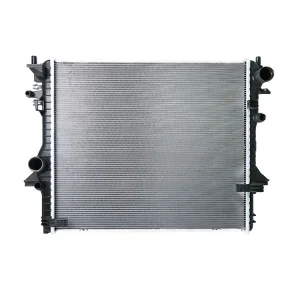
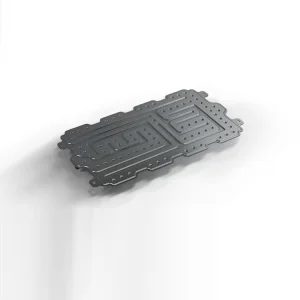
Sophisticated liquid cooling plates and heat pump systems now manage battery, motor, and cabin temperatures in a single unified loop.
Next-gen Vehicle Control Units (VCU) use machine learning to predict driver behavior and optimize energy consumption in real-time.
Exporters are now required to provide "Battery Passports," documenting the lifecycle and recycling potential of every kilowatt-hour sold.
Vehicle-to-Everything (V2X) technology turns EVs into mobile energy storage units, supporting grid stability during peak loads.
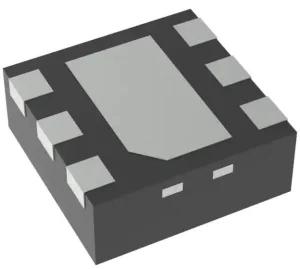
SiC technology is replacing traditional Silicon IGBTs, reducing switching losses and allowing for more compact power electronics.
Standardized chassis allow for rapid body style deployment, reducing the R&D cycle for new EV exporters from 4 years to 18 months.
Global suppliers are moving production closer to end-markets to mitigate geopolitical risks and reduce logistics-related carbon footprints.
For global Tier-1 suppliers and OEMs, sourcing is no longer about individual parts; it's about System Integration. Shenzhen DCI Autos Co., Ltd. provides macro-level solutions including:
Navigating global markets requires strict adherence to regional standards. Our products meet and exceed:
Shenzhen DCI Autos Co., Ltd. is a professional manufacturer specializing in electric vehicle components and advanced mobility technologies for the global automotive industry. Established in 2014, the company is headquartered in Shenzhen, Guangdong Province, a leading center for innovation in electric transportation and intelligent manufacturing. Operating from a modern production facility covering 28,000 square meters and supported by more than 300 employees, DCI Autos has developed comprehensive capabilities in engineering, manufacturing, testing, and international supply chain support.
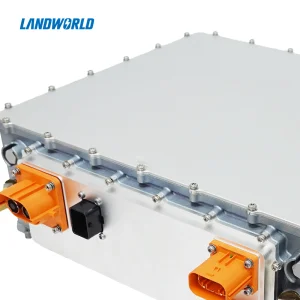
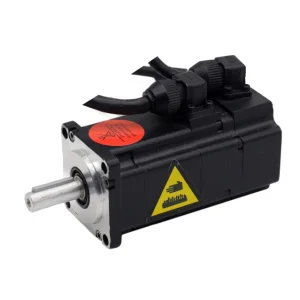
The company focuses on the development and production of battery systems, power electronics, electric drivetrain components, battery management systems (BMS), charging system components, thermal management solutions, high-voltage electrical assemblies, and integrated EV powertrain technologies. Its products are designed to support passenger vehicles, commercial electric vehicles, light-duty transportation platforms, and emerging mobility applications.
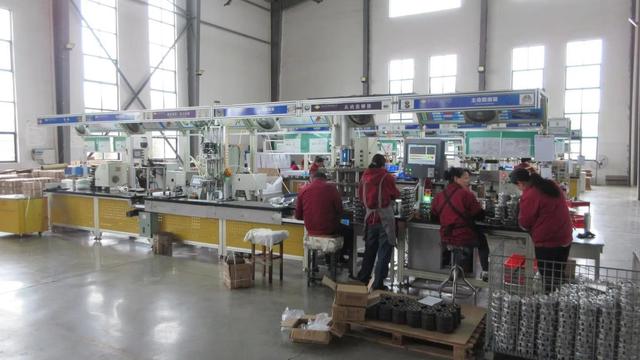
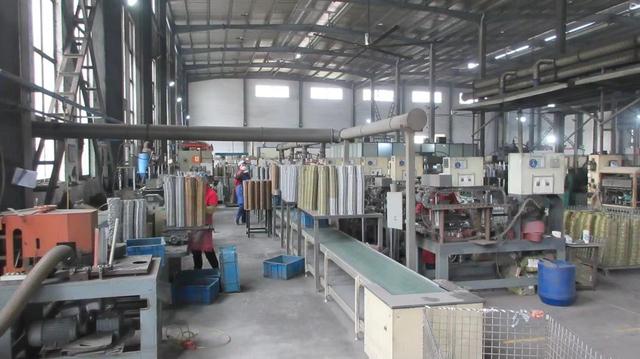
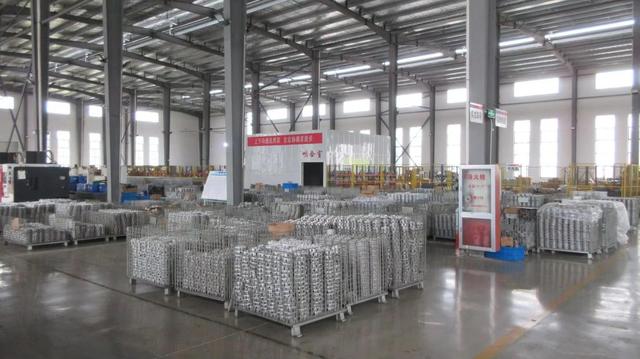
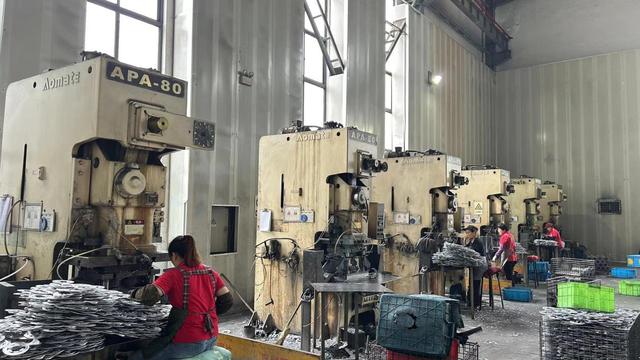

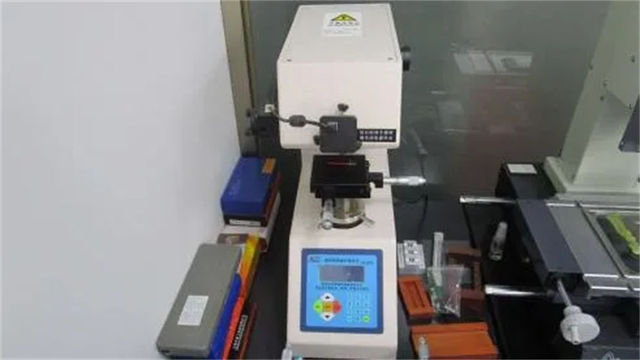
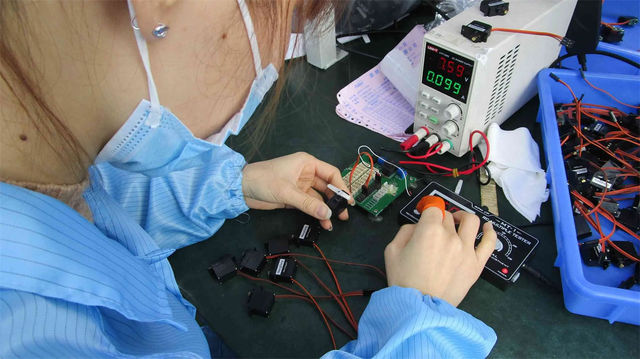
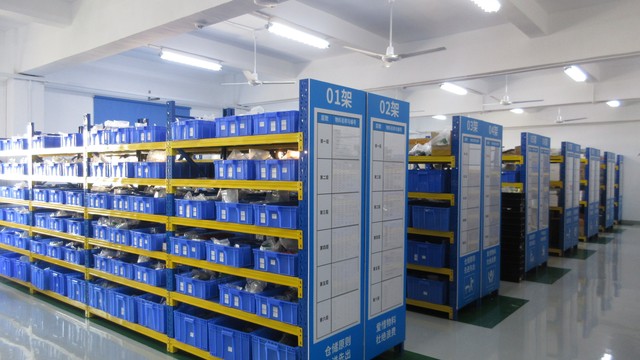
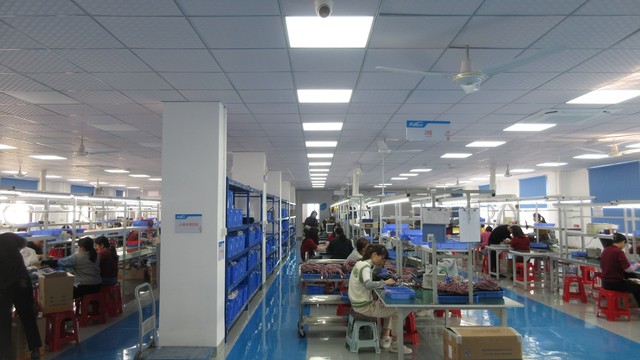
DCI Autos combines advanced manufacturing technologies, automated production equipment, and rigorous quality control procedures to ensure product reliability, efficiency, and long-term operational performance. Today, Shenzhen DCI Autos Co., Ltd. serves customers across North America, Europe, Southeast Asia, the Middle East, South America, and other international markets. Through continuous innovation and customer-focused collaboration, the company remains committed to supporting the global transition toward sustainable transportation.
Sourcing directly from Shenzhen offers significant Information Gain regarding the latest supply chain trends. You benefit from lower lead times, direct engineering support for ODM projects, and access to the world's most mature EV component ecosystem.
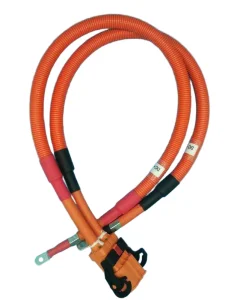
We employ 100% EOL (End-of-Line) testing, thermal cycling, and vibration testing in our ISO-certified laboratories. Every high-voltage harness and module undergoes insulation resistance and dielectric strength testing before shipment.
Yes. Our R&D team specializes in flexible OEM/ODM services. We have experience adapting automotive-grade technology for mobile robots, material handling equipment, and marine electrification.
We are seeing a shift from 3.3kW/6.6kW chargers to 11kW and 22kW tri-phase AC chargers to meet the demand for larger battery packs in commercial and luxury passenger vehicles.
We provide full documentation for CE, UL, and regional automotive standards. Our team stays updated on the latest tariff and regulatory changes to ensure a smooth import process for our global partners.
 DCI Autos