Modern industrial, commercial, and automotive ecosystems are currently navigating an unprecedented structural transition. High-efficiency power electronics, robust battery management hardware, and state-of-the-art thermal systems represent the baseline elements that govern the reliability of this transition.
Across the globe, industrial automation, telecommunication networks, and new energy fleets are demanding denser packaging and vastly improved thermal characteristics. Historically, standard power modules were constrained by silicon thermal thresholds and resistive copper losses. The global shift toward Silicon Carbide (SiC) and Gallium Nitride (GaN) technology platforms has redefined efficiency envelopes, shifting typical conversion capabilities from 92% to beyond 98.5%.
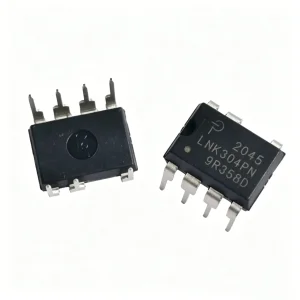
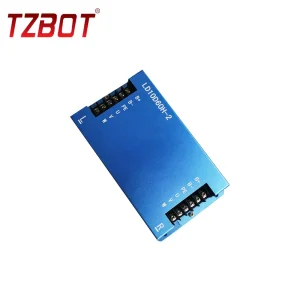
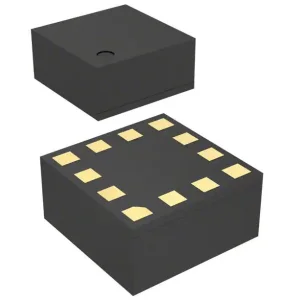
Integrating active components into high-density DIP and SMD architectures minimizes parasitics, enabling compact power designs for automation and new energy vehicles.
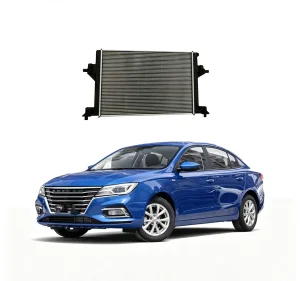
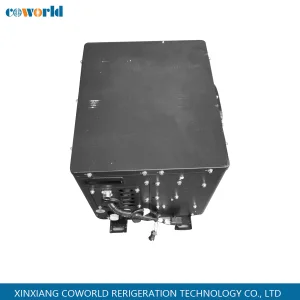
Liquid-cooled cold plates and high-conductivity radiators allow EV powertrains and high-output DC charging interfaces to run cool under peak duty cycles.
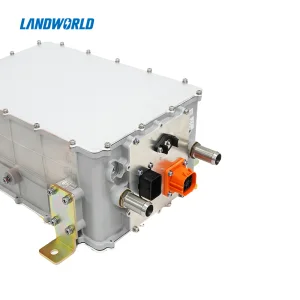
2-in-1, 3-in-1, and modular sub-assemblies (such as integrated OBCs and DC/DC units) reduce system volume, curb mechanical weight, and improve field reliability.
To understand the position of major exporters, we must examine the supply chains of East Asia, North America, and Central Europe. Shenzhen, China, has emerged as a crucial nexus of electric vehicle subsystem manufacturing and semiconductor packaging. Exporters in this hub bridge the gap between design conceptualization and physical prototyping, leveraging massive regional economies of scale.
The next five years will be defined by five distinct vectors of change in power supply topologies:
| Trend Vector | Technical Baseline | Impact on Industrial/EV Fields |
|---|---|---|
| 800V Architecture Transition | Wide-bandgap switches (SiC MOSFETs) | Halved charging times, lower copper mass requirements, and higher overall system energy efficiency. |
| Active Bidirectional Converters | Dual-active bridge (DAB) topologies | Enables V2G (Vehicle-to-Grid) and V2H (Vehicle-to-Home) energy flow, transforming cars into grid assets. |
| Software-Defined Battery Management | ASIC-driven monitoring and Edge-AI algorithms | Precise state of charge (SoC) and state of health (SoH) diagnostics, preventing thermal runaway. |
| Closed-Loop Liquid Thermal Systems | High-conductivity microchannel structures | Continuous high-power performance in heavy-duty logistics and fast-charging grid stations. |
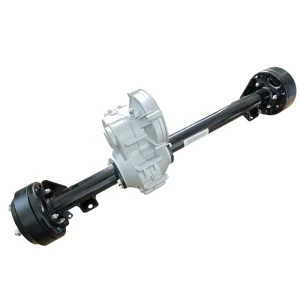
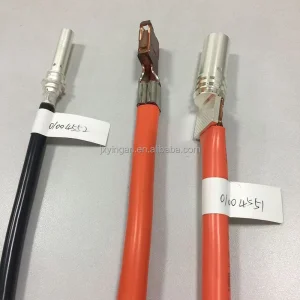
These trends emphasize that selecting a power solutions manufacturer is no longer just about buying generic components. OEMs require highly collaborative partners capable of rapid product modifications and validation. For instance, customized wiring harnesses, high-voltage connector layouts, and specialized EV axle assemblies must be tightly integrated with the underlying vehicle software structures.
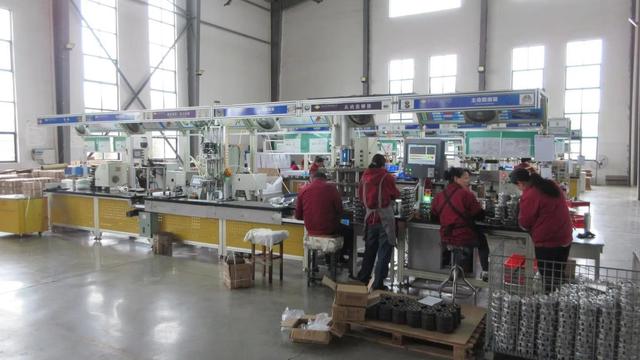
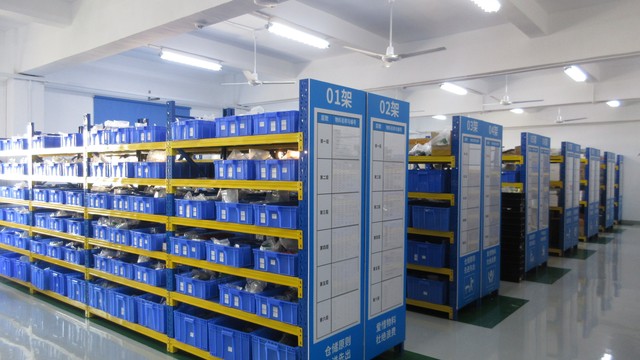
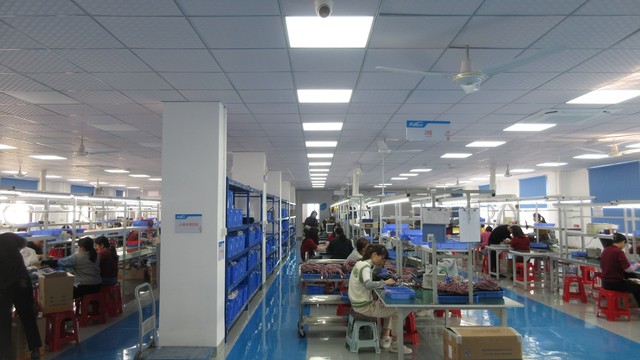
Established in 2014, the company is headquartered in Shenzhen, Guangdong Province, a global center for high-tech innovation, electric transportation, and smart manufacturing. Operating from a state-of-the-art production facility covering 28,000 square meters and supported by more than 300 employees, DCI Autos has developed comprehensive capabilities in engineering, manufacturing, testing, and international supply chain support.
The company focuses on the development and production of:
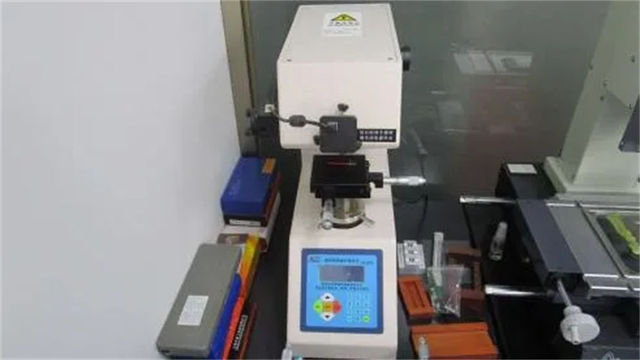
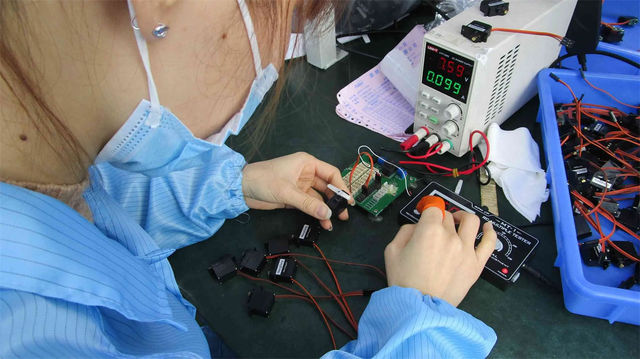
DCI Autos combines advanced manufacturing technologies, automated production equipment, and rigorous quality control procedures to ensure product reliability, safety, and long-term operational performance. The company operates dedicated engineering laboratories and testing facilities where products undergo extensive validation, environmental testing, and performance verification throughout the development and manufacturing process.
To meet the evolving requirements of the electric mobility sector, DCI Autos provides flexible OEM and ODM services, including customized component development, private-label manufacturing, system integration support, and application-specific engineering solutions. Its research and development team continuously explores innovations in electrification, energy management, lightweight design, and intelligent vehicle systems.
Today, Shenzhen DCI Autos Co., Ltd. serves customers across North America, Europe, Southeast Asia, the Middle East, South America, and other international markets. Through continuous innovation, precision manufacturing, and customer-focused collaboration, the company remains committed to supporting the global transition toward sustainable transportation and next-generation electric mobility technologies.
How will tomorrow's engineering requirements reshape power solutions? The focus is moving from component-level optimization to system-level integration.
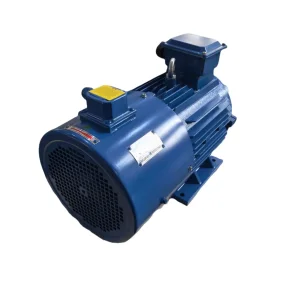
The automotive and logistics sectors are driving towards ultra-compact integrated powertrains. Historically, motors, gearboxes, and motor drivers were housed in separate enclosures, requiring heavy shielded cables and multiple cooling loops. The industry roadmap shows a clear shift toward "Multi-in-1" integrated drives, where the drive motor, transmission, DC/DC converter, and BMS controller share a single housing and a unified cooling jacket.
Hybrid solar-storage networks equipped with liquid-cooled batteries operate as fast-charging hubs, buffering high-power charging demands from local electrical grids.
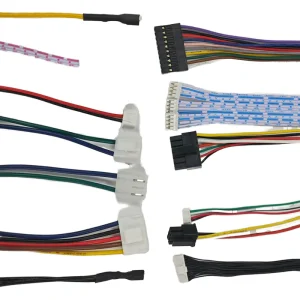
Industrial-grade, IP67/IP68 rated cabling and connectors protect signal integrity and prevent high-voltage arcing in rugged field operations.
Modern controllers run real-time predictive models on-chip, identifying fault patterns in motor winding insulation and power semiconductors before failure occurs.
To achieve this level of integration, designers must design with EMC (electromagnetic compatibility) in mind. The fast switching speeds of SiC MOSFETs cause high dV/dt rates, which can introduce high-frequency noise into low-voltage sensor circuits. As a result, robust shielding, decoupled PCB layouts, and high-performance components (like the STM32 and Lnk304 families) are essential to maintain stable control loops under heavy electrical stress.
Different operating environments present distinct challenges for power systems. Below, we examine three key applications:
Urban electric passenger buses run continuous duty cycles, demanding heavy heating and cooling cycles. A typical 8kW battery thermal management system must adapt dynamically to extreme external temperatures (ranging from -25°C to 45°C) to keep the internal battery chemistry within its optimal operating window of 25°C to 35°C. Efficient liquid cooling lines prevent thermal degradation, extending the pack life by up to 30%.
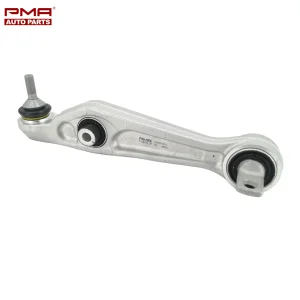
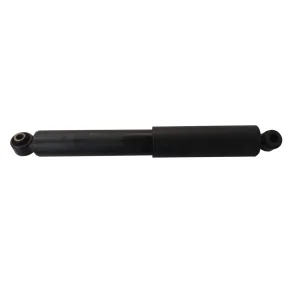
Upgrading older fleets, such as the Club Car DS Precedent, from Lead-Acid to Lithium-Ion chemistry requires changing the entire mechanical transaxle and drive assembly. To handle the higher torque profile of modern electric motors, the vehicle needs high-precision rear-drive axles, suspension linkages, and shock absorbers configured for the vehicle's new weight distribution and regenerative braking loads.
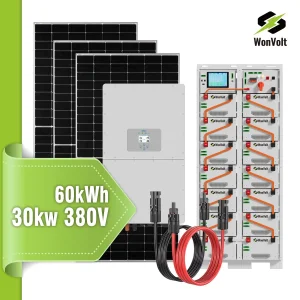
In locations with limited grid access, a 30kW–50kW hybrid solar storage system combined with a 97kWh liquid-cooled battery pack acts as an energy buffer. By capturing solar energy during the day, the system can supply clean, high-power DC energy to EV chargers on demand, avoiding high peak-demand charges and reducing strain on the local grid.
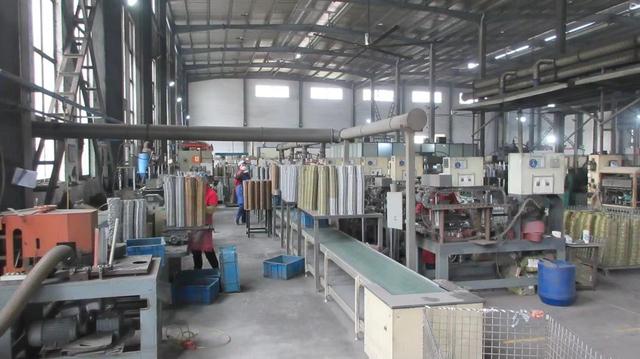
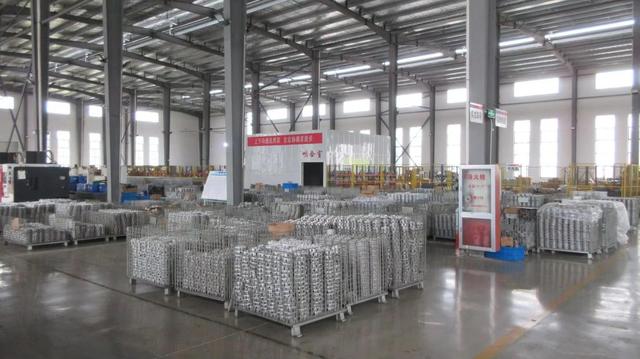
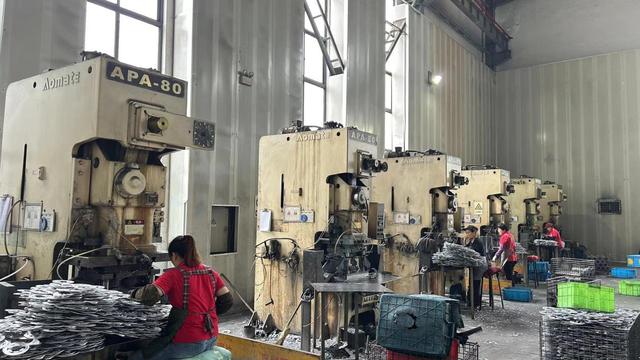
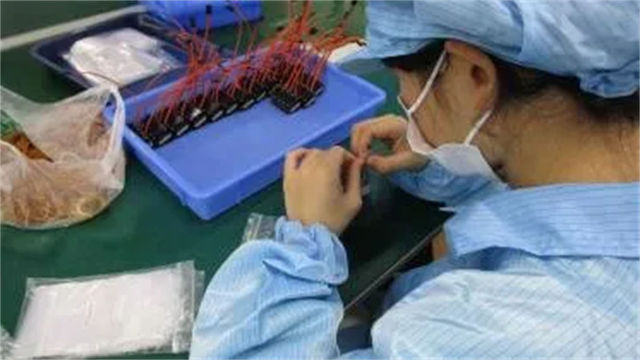
Inside Shenzhen DCI Autos' 28,000 square meter manufacturing facility, automated production lines ensure high precision, throughput, and consistency.
Answers to key questions asked by engineering and procurement professionals sourcing automotive-grade power electronics and electric vehicle components.
 DCI Autos