As the European Union accelerates its "Green Deal" initiatives, Bulgaria has emerged as a critical hub for renewable energy expansion in Southeast Europe. With its strategic position and high solar irradiance, the Bulgarian market is transitioning from traditional lignite-based power to a diversified, renewable-heavy grid. However, this transition necessitates a robust infrastructure of Energy Storage Integration Components to ensure grid resilience and efficient power management.
Bulgaria’s National Recovery and Resilience Plan (NRRP) has earmarked significant funding for the deployment of at least 1.4 GW of battery energy storage systems (BESS). This investment is vital for the Maritsa Iztok mining region as it pivots toward sustainable energy. The integration of high-performance components—ranging from liquid cooling heat sinks to advanced battery management system (BMS) chips—is no longer optional but a prerequisite for regional developers.
Current industrial trends in Bulgaria show a massive uptick in "Behind-the-Meter" storage for large industrial consumers in Plovdiv and Sofia, who seek to mitigate rising energy costs and grid instability. Our components are specifically engineered to meet these localized demands, offering the reliability required by Bulgarian climate conditions and EU regulatory standards.
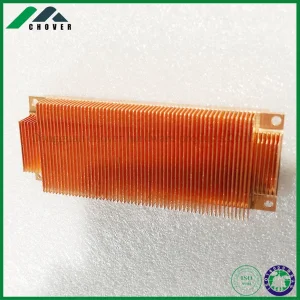
Globally, the Energy Storage Systems (ESS) market is moving toward higher energy densities and safer thermal management. The shift from air cooling to liquid cooling is a primary trend. Our Liquid Cooling Copper Spatula Heat Sinks represent the pinnacle of this shift, providing superior heat dissipation for high-C-rate discharge cycles common in grid-balancing applications.
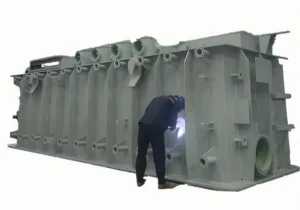
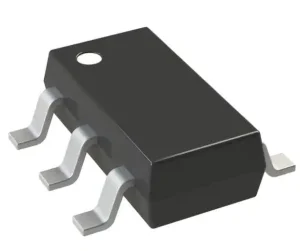
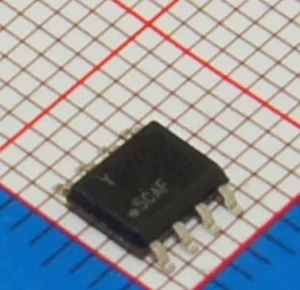
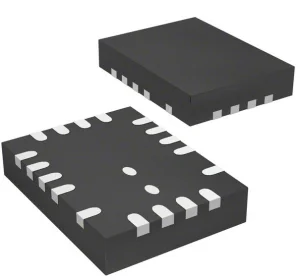
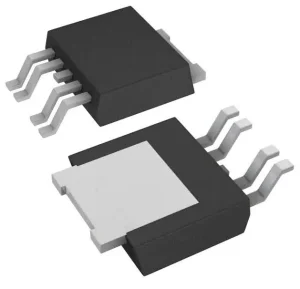
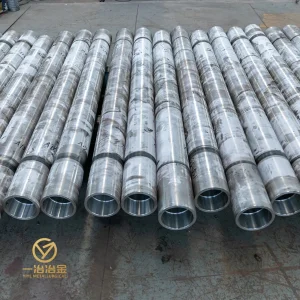
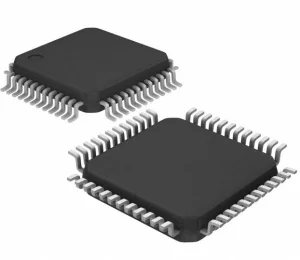
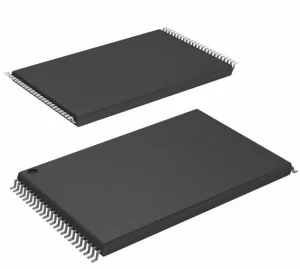
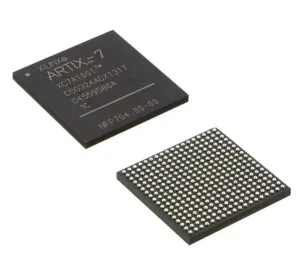
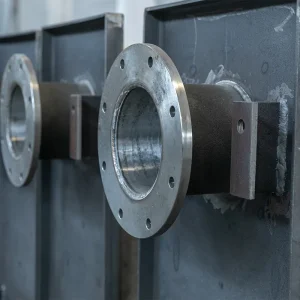
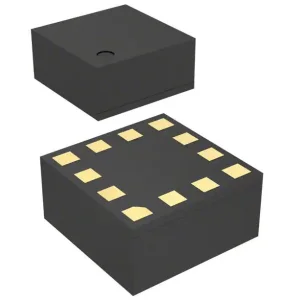
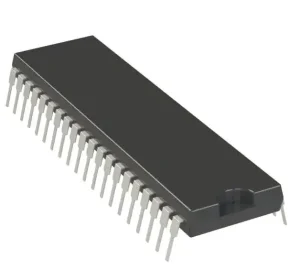
Furthermore, the global supply chain is increasingly demanding Information Gain—true technical advantages such as laser-welded structural integrity for oil tanks and ultra-precise electronic components (IC chips like AD5424/AD5420) that ensure the longevity of the inverter systems.
The roadmap for energy storage integration in the Bulgaria market includes:
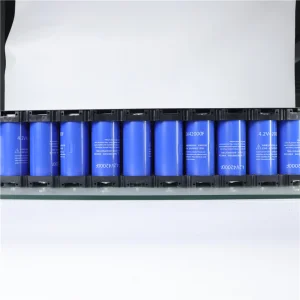
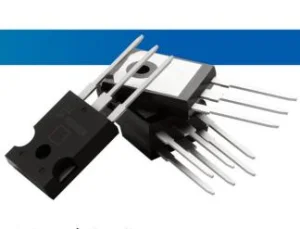
1. Solar + Storage Hubs in Thrace: Utilizing our super capacitors and power electronics to smooth out PV output fluctuations.
2. Mining Electrification: Providing heavy-duty metal components and thermal management for electric machinery in the coal transition zones.
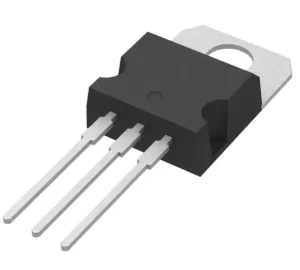
3. Urban EV Charging Infrastructure: Supplying the high-voltage electrical assemblies required for ultra-fast charging stations in Sofia.
Shenzhen DCI Autos Co., Ltd. is a professional manufacturer specializing in electric vehicle components and advanced mobility technologies for the global automotive industry. Established in 2014, the company is headquartered in Shenzhen, Guangdong Province, a leading center for innovation in electric transportation and intelligent manufacturing.
Operating from a modern production facility covering 28,000 square meters and supported by more than 300 employees, DCI Autos has developed comprehensive capabilities in engineering, manufacturing, testing, and international supply chain support. We focus on the development of battery systems, power electronics, drivetrain components, and thermal management solutions.
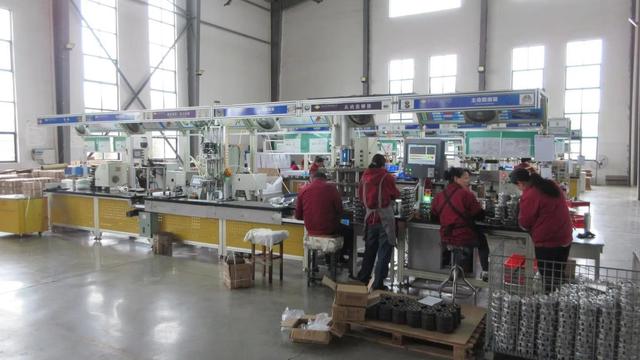
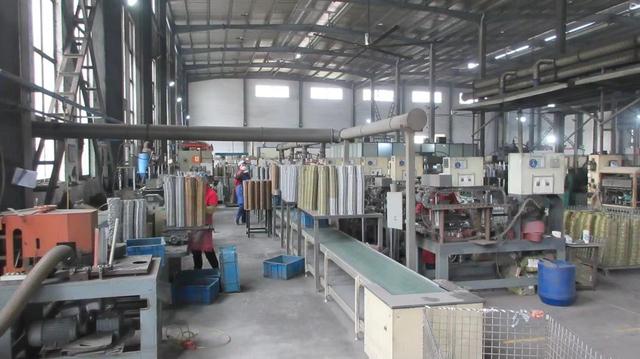
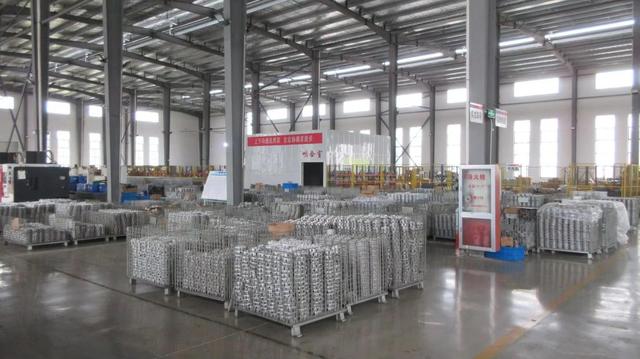
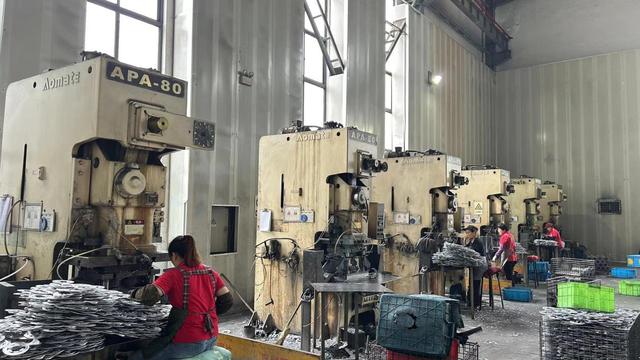
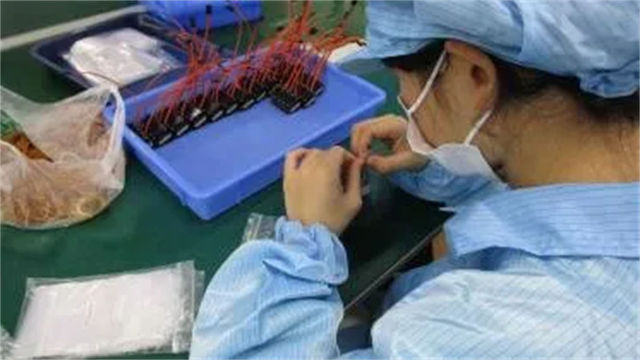
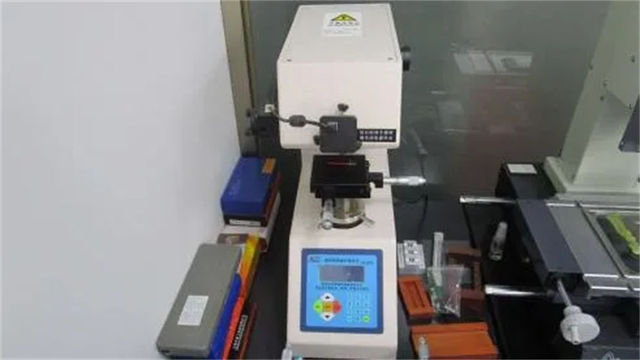
High-voltage assemblies and liquid cooling systems for grid-tied energy storage parks.
Custom component manufacturing for Bulgarian renewable energy equipment manufacturers.
Precise electronic control components for remote off-grid systems in the Balkan mountains.
All DCI Autos components comply with CE, RoHS, and relevant IEC standards required for European Union grid integration, ensuring seamless adoption by Bulgarian developers.
Yes, we offer specialized ODM services for copper spatula heat sinks and thermal management systems tailored to specific energy density requirements of your BESS design.
Standard components usually ship within 2-4 weeks. For large-scale industrial castings and laser-welded components, timelines are customized based on project scale.
Our technical team provides comprehensive remote engineering support and detailed documentation to assist local firms in system integration and validation.
 DCI Autos