Engineered to synchronize effortlessly with Japan's rigorous electric grid parameters and high-frequency automated factory microgrids.
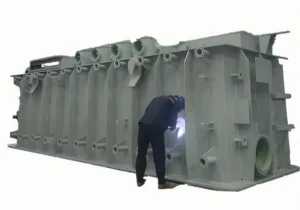
Ultra-high precision metal fabrication designed to withstand heavy vibration and intensive thermal loads in heavy-duty utility-scale backup systems.
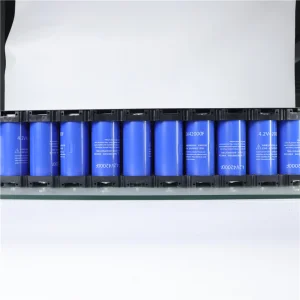
High-rate capacitance cell for rapid peak-shaving, microsecond frequency response, and transient voltage stabilization in smart industrial microgrids.
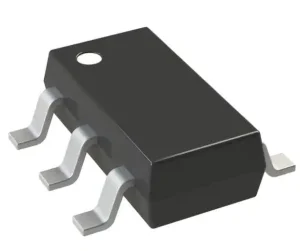
Multi-chemistry analog circuit controller designed for fast-response battery balancing and robust fault telemetry inside multi-megawatt storage banks.
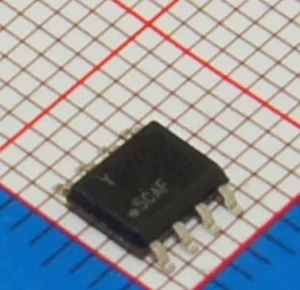
Cryptographic security element engineered to authenticate individual cell banks and shield local storage networks from physical cyber threats.
As the primary industrial cluster in Japan, the Chubu Economic Region—centered strictly around the Nagoya metropolis—is undergoing one of the most drastic electrical supply transitions in its modern history. Famous for heavy manufacturing, high-precision automotive assembly, and aerospace production, local facilities demand an unyielding electrical grid. However, Japan’s 2050 Carbon Neutrality goals require a major shift towards solar PV, onshore and offshore wind, and hydrogen-based distributed generation.
Automated assembly lines in Nagoya cannot tolerate voltage dips of even 2 milliseconds without risking multi-million yen losses due to robotic calibration errors. BESS (Battery Energy Storage Systems) serve as the primary defensive architecture, transforming localized grids into highly secure, self-balancing energy nodes.
The humid, maritime climate of Nagoya Port demands exceptionally robust physical components. High-voltage energy storage systems operate at up to 1500V DC, where moisture can induce catastrophic insulation breakdowns. For foreign system integrators and local Nagoya contractors, every component must carry high degrees of environmental tolerance. This is why our Elite Laser Bending Welded Oil Tank Components are fabricated under absolute compliance with ISO 9001 and customized to resist the chemical corrosion of coastal saline air.
Furthermore, active cooling is the single most critical factor in mitigating thermal runaway. Our Copper Spatula Heat Sinks and integrated liquid cooling pathways guarantee that advanced lithium iron phosphate (LFP) cells operate well within their optimal 25°C to 35°C temperature window. Lower temperature variances across large-scale arrays ensure longer asset depreciation cycles, maximizing the internal rate of return (IRR) for Japanese municipal and corporate energy investments.
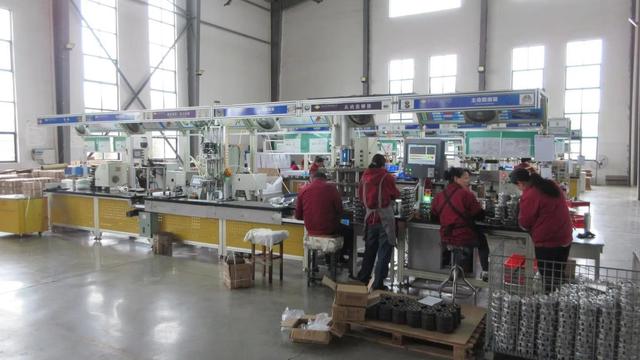
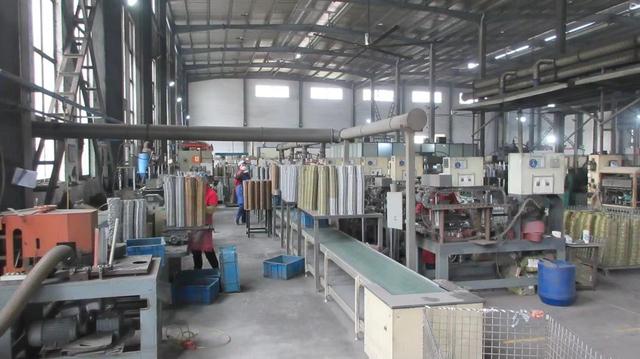
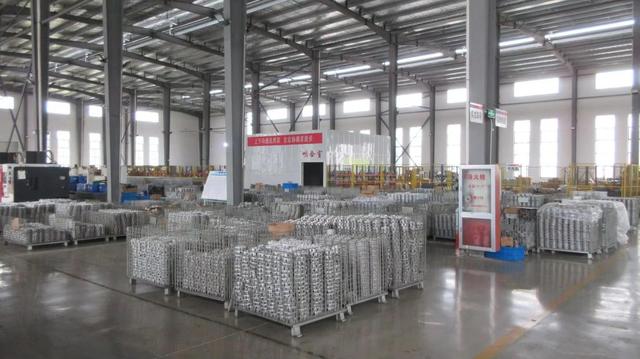
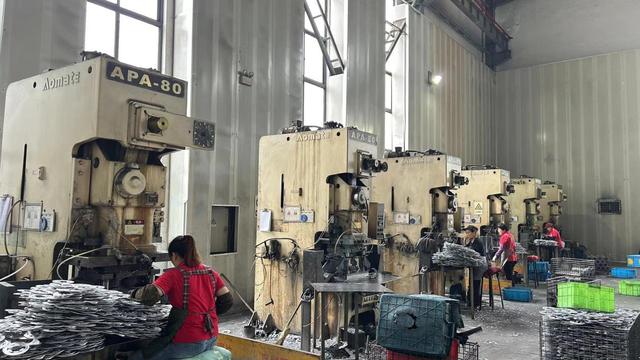
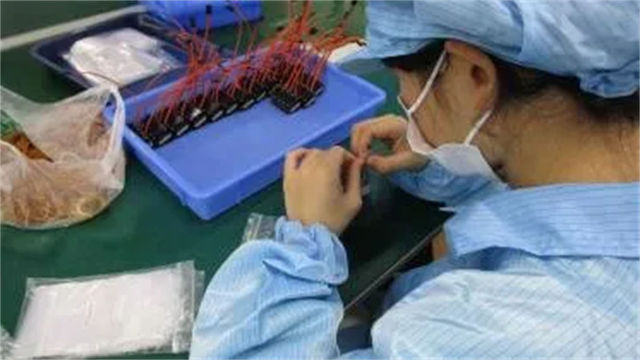
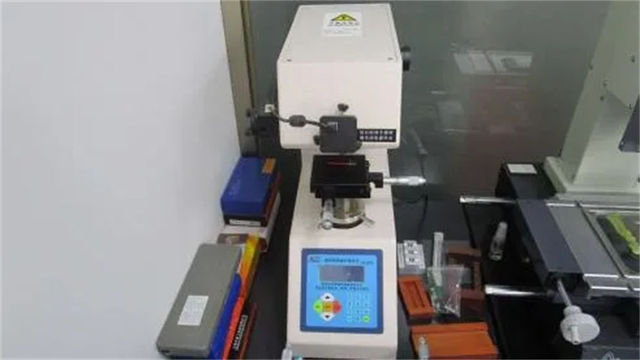
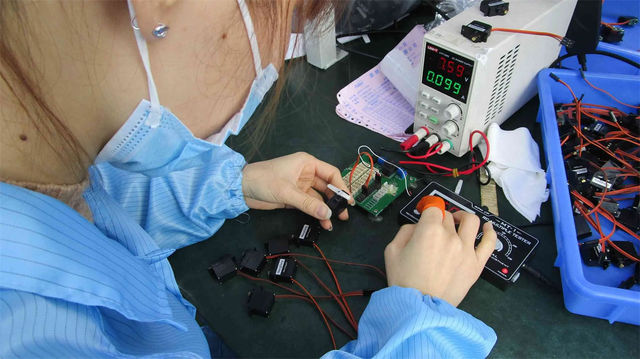
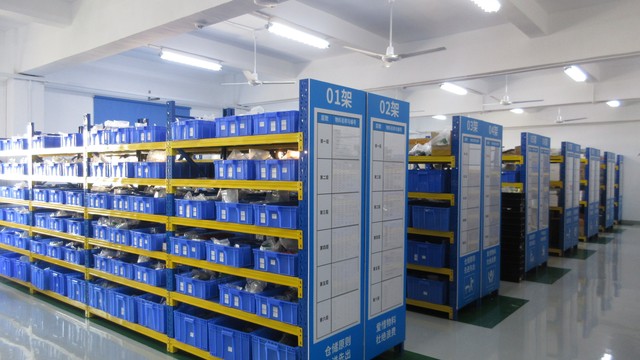
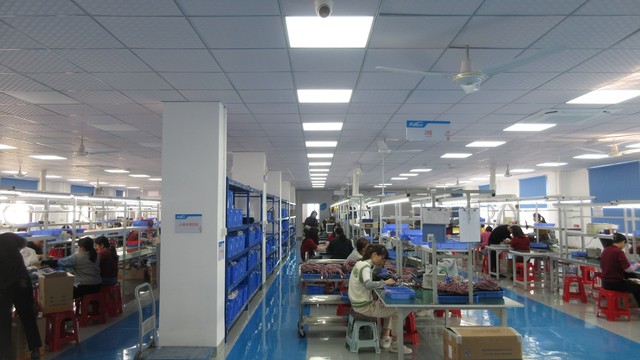
Shenzhen DCI Autos Co., Ltd. is a professional manufacturer specializing in electric vehicle components and advanced mobility technologies for the global automotive industry. Established in 2014, the company is headquartered in Shenzhen, Guangdong Province, a leading center for innovation in electric transportation and intelligent manufacturing. Operating from a modern production facility covering 28,000 square meters and supported by more than 300 employees, DCI Autos has developed comprehensive capabilities in engineering, manufacturing, testing, and international supply chain support.
Through our advanced division, we integrate industrial-grade semiconductor systems, high-rate passive components, and bespoke mechanical structures for stationary energy storage complexes. We merge modern automotive standards (IATF 16949) with high-capacity grid-scale needs, delivering elite reliability to the Nagoya market and beyond.
Specialty micro-controllers and sand-cast structural modules developed specifically for Nagoya's harsh coastal substation zones.
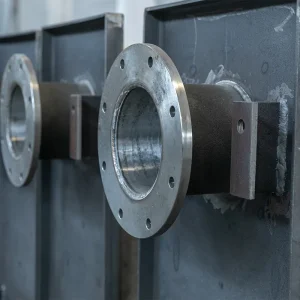
Thick-walled mechanical containment housings providing robust physical protection and excellent structural grounding properties.
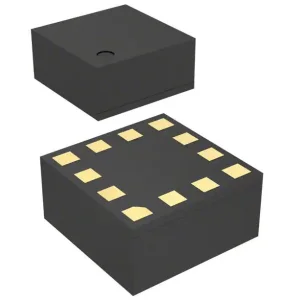
Ultra-low latency MCU platform incorporating magnetic sensors to monitor state-of-charge alignment and manage balancing currents.
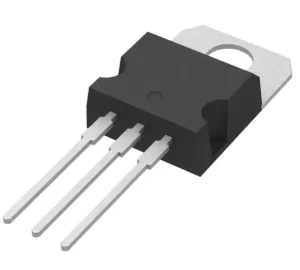
Premium ARM Cortex-M7 platforms designed for real-time computational analysis of battery health telemetry and fault prevention.
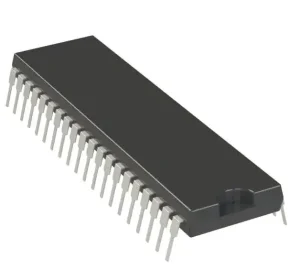
Time-tested industrial 8-bit microcontroller serving as the localized hardware watchdog for system safety interlocks.
To design an energy storage integration configuration that satisfies local regulations (such as METI approval and JET certification in Japan), designers must consider deep chemical and physical engineering variables. Our integration paradigm targets three specialized deployment scopes:
The Port of Nagoya, being the largest port in cargo throughput across Japan, requires dynamic shore-to-ship power configurations. Dynamic crane operations feed heavy regenerative braking surges back into the local distribution substations. Introducing our 1050f Super Capacitor Arrays along with our custom-bent Laser Welded Enclosures provides the millisecond-range absorption necessary to cycle this energy efficiently. This process reduces peak demand charges from Chubu Electric Power and secures auxiliary dock operations during emergencies.
For large-scale assembly facilities, peak-shaving utilizing distributed lithium battery container assemblies is the fastest method to reduce operational expenses (OPEX). High-capacity battery packs require exceptional thermal equilibrium across cell groups. The utilization of Liquid Cooling Component Copper Spatula Heat Sinks allows high-power multi-rack networks to balance thermal profiles with less than a 2°C variance, maintaining absolute safety and preventing cell degradation.
Substations along coastal zones near Ise Bay endure elevated salt mist concentrations. General off-the-shelf electronic component boxes erode rapidly in these environments. Using High Performance Metal Components with Sand Cast Finishes ensures that outer grounding terminals and mechanical joints do not experience structural fatigue over 25 years of field service.
From high-performance FPGA processing components to localized custom heat dissipation plates—precision manufactured to support Tier-1 BESS deployment.
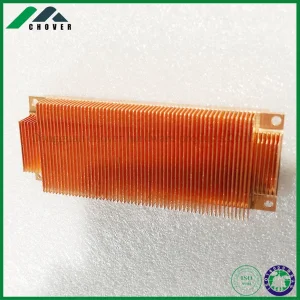
Ultra-efficient copper heat sink designed to dissipate heavy heat loads from dense cell clusters under continuous cycling.
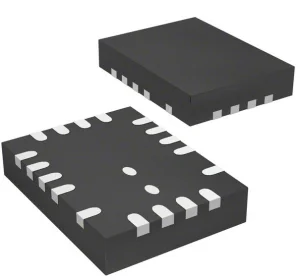
High-speed operational amplifiers and digital-to-analog converters designed for precision current monitoring in multi-rack BESS arrays.
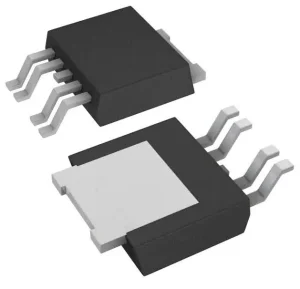
High-voltage automotive-grade semiconductor components providing over-current and thermal shutdown protection.
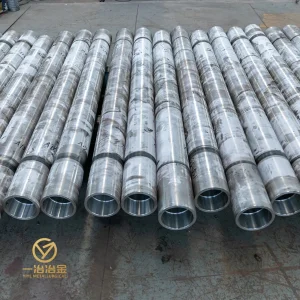
Highly stable structural components built from specialized alloys to resist corrosion and structural shifts.
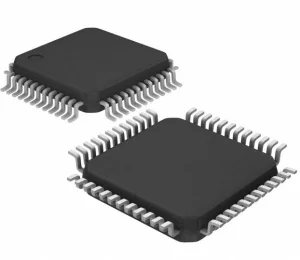
Industrial-grade flash and SRAM elements designed to secure blackbox telemetry logs against sudden power loss.
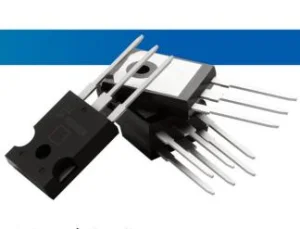
Optical components designed for fiber-isolated signal pathways, shielding high-voltage control centers from EMI spikes.
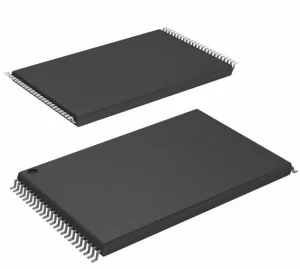
Ultra-low power high-speed asynchronous SRAM modules, critical for real-time edge processing within central BMS hubs.
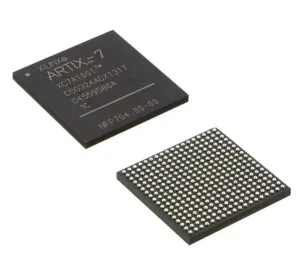
Highly reconfigurable logic array, serving as the master processor for phase-matching and synchronized grid injection.
Addressing engineering questions regarding Nagoya grid standards, compliance, and thermal system topologies.
For deployments inside Japan, components must align with the JIS C 8715-2 framework for stationary lithium-ion cells. Battery Management Systems must incorporate dual-redundant tracking for critical faults (such as those powered by the STM32 and LTC analog control boards) and secure METI technical compliance. Our components are manufactured under ISO 9001 and automotive-grade IATF 16949 standards, ensuring smooth qualification processes.
High humidity and salt mist can accelerate galvanic corrosion on standard steel racks, leading to catastrophic grounding failures. Our sand-cast hardware finishes and Elite Laser Welded Enclosures utilize customized anti-corrosive powder coatings and specific alloys that withstand long-term exposure to salt spray, matching the harsh seaside demands of the Chubu region.
With cybersecurity threats targeting municipal smart grids, authenticating cell modules via hardware (such as our ATSHA204A Authenticator chip) prevents rogue hardware injections, unauthorized third-party cell replacements, or cyber intrusions through localized sensor networks.
Copper features almost double the thermal conductivity of aluminum (~401 W/m·K vs ~237 W/m·K). For high-rate systems subjected to fast peak shaving cycles, copper spatula elements draw high heat flux away from hot spots significantly faster, ensuring battery cells do not degrade unevenly.
Yes, Shenzhen DCI Autos Co., Ltd. provides robust, complete OEM and ODM design capabilities. We can adapt layout geometries, material properties, and thermal paths to match your custom electrical schematics. We also supply supporting validation protocols, including environmental and structural testing.
Logistical processing from our state-of-the-art facility in Shenzhen is highly direct. By coordinating with major sea shipping routes originating out of Shenzhen or Guangzhou Port, we offer scheduled arrivals to the Port of Nagoya within 7 to 10 shipping days, fully securing high-volume supply chains for Japanese partners.
Collaborate with Shenzhen DCI Autos Co., Ltd. and secure robust, automotive-grade BESS integration elements customized for your specific industrial applications.
Request Technical Consultation DCI Autos