High-performance custom subsystems tailored for Singaporean grid standards and strict urban microgrid specifications.
Singapore’s transition towards a low-carbon energy future is fast-tracked by the Singapore Green Plan 2030. With a targeted solar deployment of at least 2 gigawatt-peak (GWp) by 2030, energy storage systems (BESS) are essential to mitigate solar intermittency and ensure national grid stability. The Energy Market Authority (EMA) has set clear directives for deploying battery energy storage technologies to manage peak demand, provide reserve power, and stabilize the electrical transmission network.
Due to land scarcity, Singapore’s energy storage footprint focuses on decentralized commercial and industrial (C&I) setups, marine microgrids, and high-density liquid-cooled containers. Standardizing battery thermal management components, robust structural framing, and reliable electronic control microprocessors are key to ensuring compliance with Singapore’s safety framework, notably SS 675 (Code of Practice for installation, operation, and maintenance of Battery Energy Storage Systems).
In tropical urban environments, standard off-the-shelf components fail to handle the heat indices and humidity. Custom energy storage integration requires dedicated engineering designs for Singapore's prominent use cases:
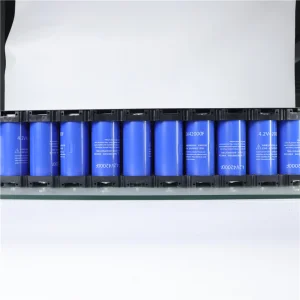
Integrating ultra-fast charge and discharge supercapacitors and liquid cooling systems to support high-performance cloud providers in Singapore without risk of thermal runaway.
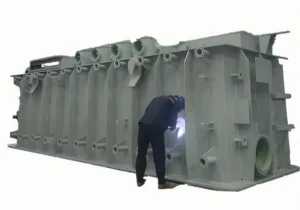
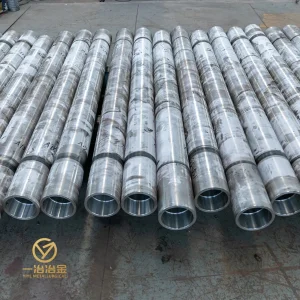
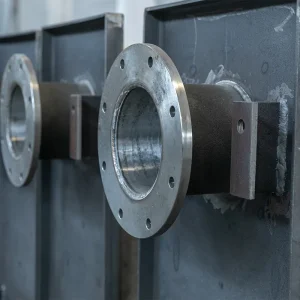
Heavy duty structural housings and laser-welded mechanical components designed to withstand highly corrosive industrial and saline marine environments.
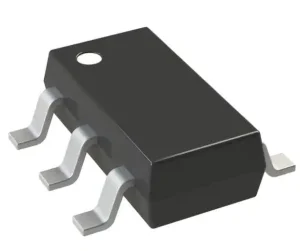
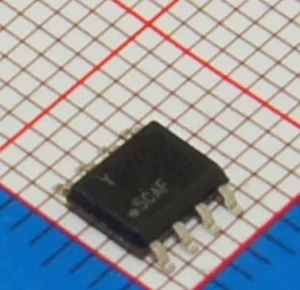
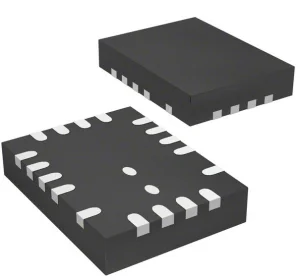
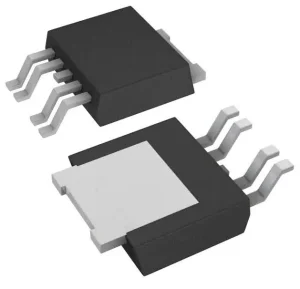
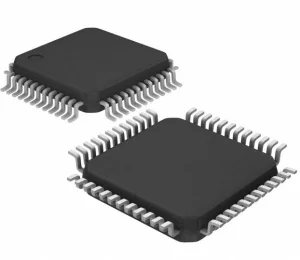
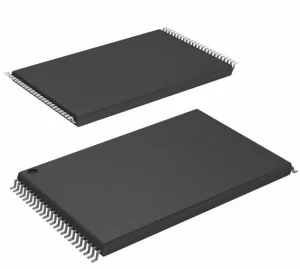
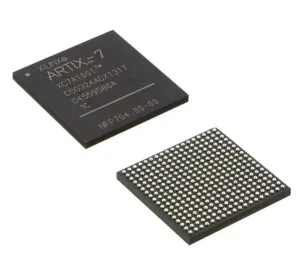
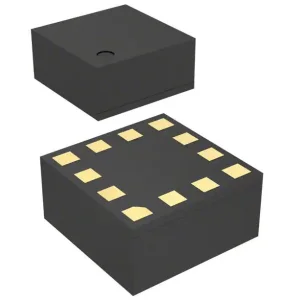
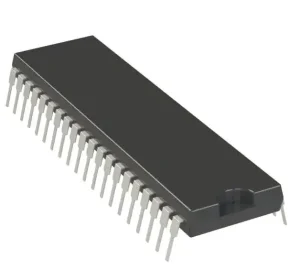
Employing active thermal balancing and smart battery management systems (BMS) with high precision integrated circuit chips to lower maximum demand charges for businesses.
As a leading supplier based in Shenzhen, the heart of global electronic innovation, China offers unparalleled benefits to Singaporean EPCs and system integrators:
Our operational footprint, manufacturing excellence, and global service capabilities.
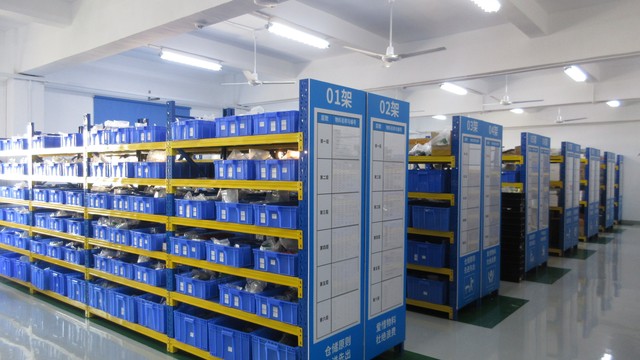
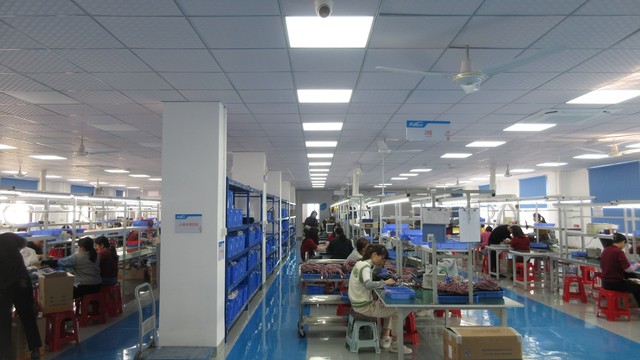
Shenzhen DCI Autos Co., Ltd. is a professional manufacturer specializing in electric vehicle components and advanced mobility technologies for the global automotive industry. Established in 2014, the company is headquartered in Shenzhen, Guangdong Province, a leading center for innovation in electric transportation and intelligent manufacturing. Operating from a modern production facility covering 28,000 square meters and supported by more than 300 employees, DCI Autos has developed comprehensive capabilities in engineering, manufacturing, testing, and international supply chain support.
The company focuses on the development and production of battery systems, power electronics, electric drivetrain components, battery management systems (BMS), charging system components, thermal management solutions, high-voltage electrical assemblies, and integrated EV powertrain technologies. Its products are designed to support passenger vehicles, commercial electric vehicles, light-duty transportation platforms, and emerging mobility applications.
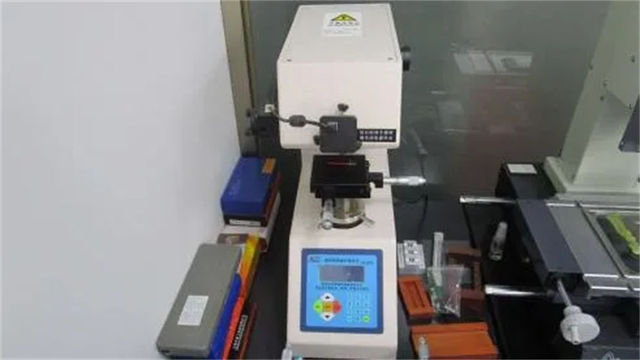
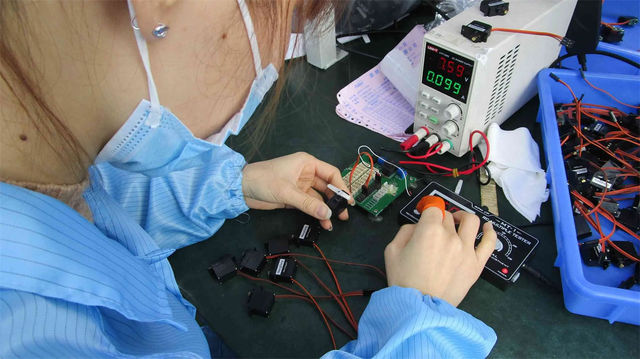
DCI Autos combines advanced manufacturing technologies, automated production equipment, and rigorous quality control procedures to ensure product reliability, efficiency, and long-term operational performance. The company operates dedicated engineering laboratories and testing facilities where products undergo extensive validation, environmental testing, and performance verification throughout the development and manufacturing process.
To meet the evolving requirements of the electric mobility sector, DCI Autos provides flexible OEM and ODM services, including customized component development, private-label manufacturing, system integration support, and application-specific engineering solutions. Its research and development team continuously explores innovations in electrification, energy management, lightweight design, and intelligent vehicle systems.
Today, Shenzhen DCI Autos Co., Ltd. serves customers across North America, Europe, Southeast Asia, the Middle East, South America, and other international markets. Through continuous innovation, precision manufacturing, and customer-focused collaboration, the company remains committed to supporting the global transition toward sustainable transportation and next-generation electric mobility technologies.
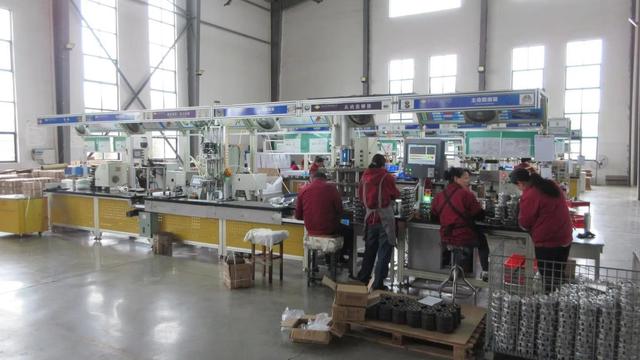
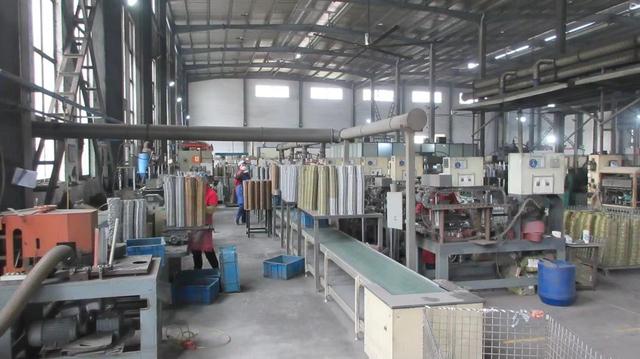
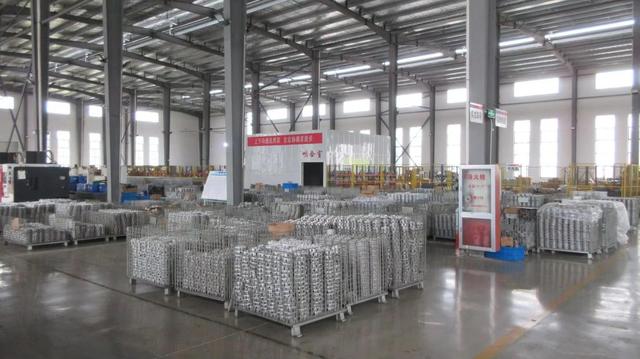
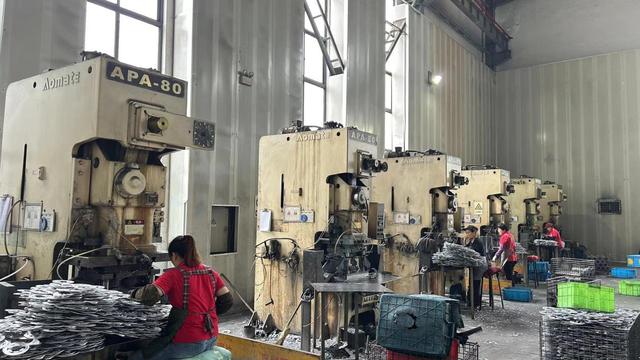

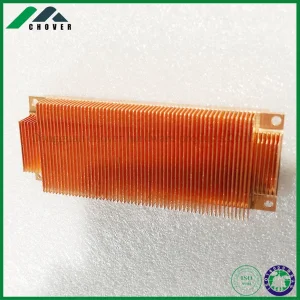
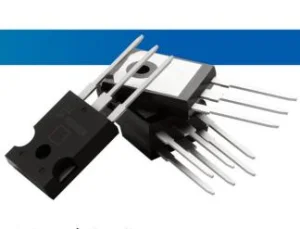
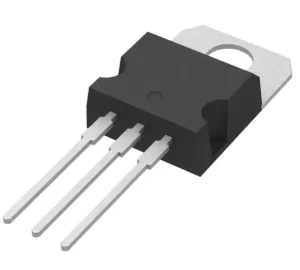
As microgrid operations grow more sophisticated, component-level engineering becomes critical. First, liquid cooling has rapidly overtaken passive air-cooling architectures due to high ambient operating temperatures in Singapore. Thermally conductive copper spatula heat sinks and heat exchangers ensure that heat dissipation pathways perform under continuous cycling. Next, reliability requires robust BMS components utilizing industrial-grade MCU and power management IC units to handle real-time state-of-charge (SoC) estimation and active balancing control.
Furthermore, structural components require advanced laser welding and precision sheet metal work to maintain environmental integrity (IP65/IP66 and NEMA standards) against coastal humidity and heavy tropical precipitation. Adapting laser-welded oil tanks and specialized housings ensures system isolation against hazardous materials and mitigates environmental impacts.
International procurement agents and local developers sourcing components for Singapore must align with strict procurement checklists:
A comprehensive range of high-precision electronic and mechanical components optimized for the Singapore market.
Technical and regulatory insights on integration components for Singapore projects.
Discuss your Singapore BESS requirements, technical parameters, or procurement BOMs with our specialized engineering team today.
Send Inquiry Now DCI Autos