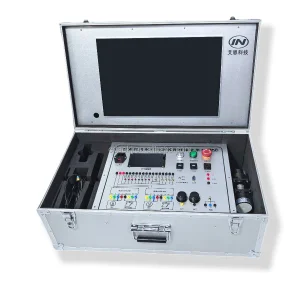
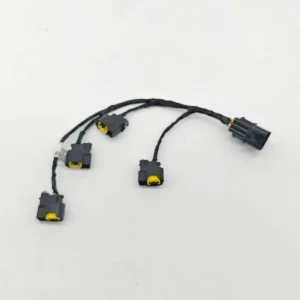
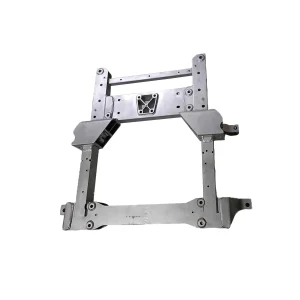
Engineered to the highest industry standards for high-voltage isolation, smart thermal management, and precision power distribution.
Established in 2014, Shenzhen DCI Autos Co., Ltd. is a leading automotive-grade manufacturer specializing in key electric vehicle (EV) components, high-power electronics, and advanced mobility systems. Strategically headquartered in Shenzhen, the silicon valley of global hardware manufacturing and intelligent transportation design, we occupy a state-of-the-art 28,000 square meter facility. With a dedicated team of over 300 highly specialized engineers and quality control experts, DCI Autos bridges the gap between conceptual design and mass-market deployment for international OEM and ODM buyers.
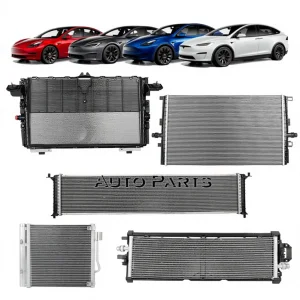
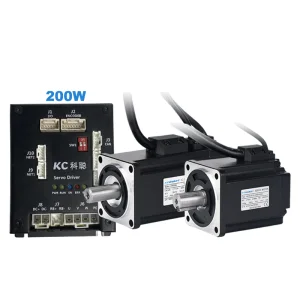
Our core competence centers on the vertical integration of drivetrain architectures, state-of-the-art Battery Management Systems (BMS), high-performance Vehicle Control Units (VCU), thermal management radiators, and precision aerospace-grade structural components. We align our manufacturing practices with rigorous automotive supply chain standards to guarantee unparalleled product reliability, energy transition efficiency, and long-term functional stability.
"By leveraging advanced automation, rapid iteration workflows, and robust validation protocols, we support industrial vehicle, heavy-duty truck, commercial transit, and aerospace partners globally in scaling their electrification roadmaps."
Partnering with a Chinese manufacturer like DCI Autos offers strategic supply chain advantages that extend far beyond raw cost-efficiency. Shenzhen is the epicentre of the global lithium-ion and power semiconductor supply chain. This physical proximity allows us to source raw materials, silicon carbide (SiC) MOSFETs, and high-conductivity copper busbars within hours, vastly accelerating our prototyping and mass manufacturing timelines.
Direct integration with domestic semiconductor fabricators, wire harness manufacturers, and lithium cell providers minimizes component lead times and mitigates international logistics bottlenecks.
Our engineering laboratory operates close to production lines. This enables real-time tuning, rapid tooling creation, and instantaneous validation of custom VCU hardware and chassis modifications.
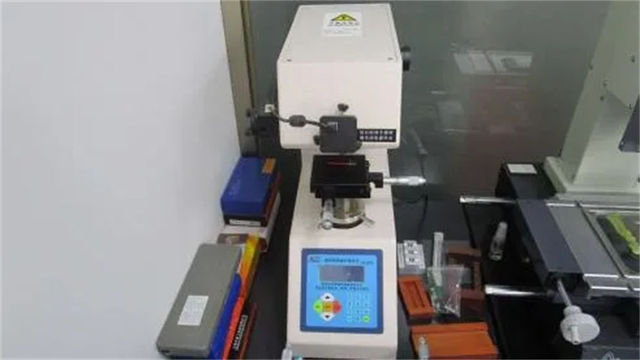
Equipped with thermal chambers, vibration tables, and automated optical inspection (AOI), we enforce quality thresholds typical of tier-one automotive suppliers at a highly competitive operational cost.
The renewable energy industry is witnessing a structural shift towards high-voltage electrification architectures, structural integration, and software-defined power systems. We actively track and integrate these trends into our OEM/ODM design pipelines:
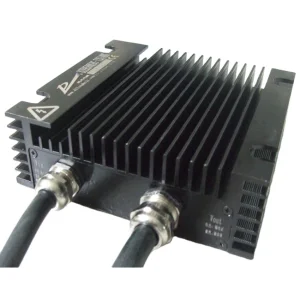
Modern passenger and heavy-duty EVs are rapidly transitioning from 400V to 800V+ architectures. Higher voltages dramatically reduce heat loss, speed up charging intervals, and allow for thinner, lighter wire harnesses. Our power electronic converters are engineered to safely handle these high-voltage dynamics.
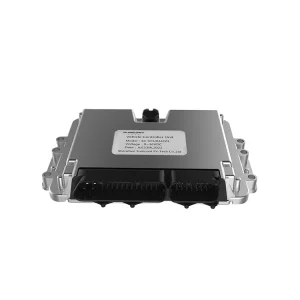
Vehicle Control Units are no longer simple logic boards. They are dynamic processing hubs running complex energy management algorithms. Integrated VCU systems enable predictive power allocation, over-the-air (OTA) diagnostic updates, and cellular telemetry integrations.
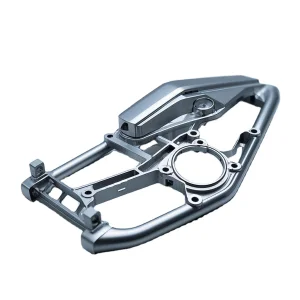
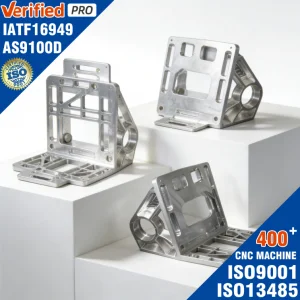
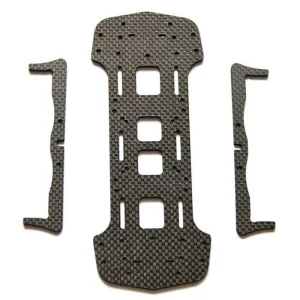
To maximize vehicle range and battery volumetric density, lightweighting is crucial. Utilizing 5-axis CNC machining, we fabricate structural chassis components from high-grade aerospace aluminum and custom carbon fiber, ensuring peak structural rigidity with minimal mass penalties.
DCI Autos designs components for real-world reliability in challenging conditions. Our engineering solutions are deployed across several high-impact applications globally:
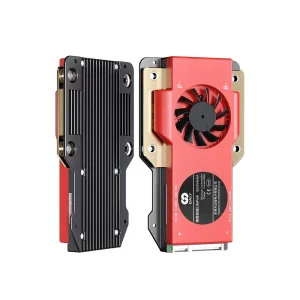
Modern smart warehouses operate around the clock. Mobile robots (AGVs/AMRs) demand highly reliable low-voltage motor controllers and high-discharge BMS configurations. Our Daly BMS S-Series 13s48V 300A systems are customized to protect lithium batteries against excessive thermal load, keeping robotic fleets functioning without interruption in temperature-fluctuating logistics centers.
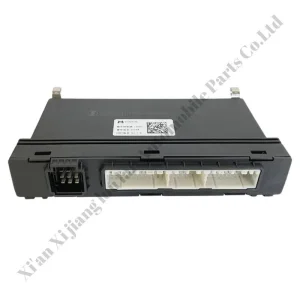
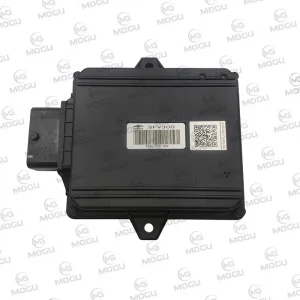
Long-haul transit trucks and vocational vehicles face rugged roads and vibration stress. Our vehicle controllers, such as the Shacman Truck Parts Body Control Module, are designed with IP67/IP69K enclosures and optimized transient protection. They withstand high electrical spikes and mechanical impacts, coordinating multiple sub-systems smoothly in municipal and long-haul transport networks.
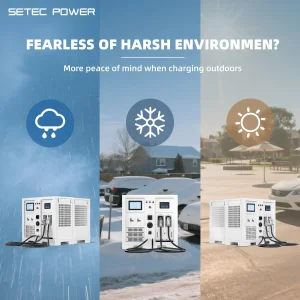
For rural regions and remote mining projects, microgrids are critical. Integrating a **30kWh-1MWh Battery Storage System** with a DC EV Fast Charging Station enables independent energy generation. These systems harvest solar or wind energy, store it safely in high-capacity battery banks, and distribute high-voltage DC electricity directly to service vehicles, preventing local grid overload.
We align our operations with the strict sourcing guidelines of international procurement divisions. DCI Autos guarantees full compliance across all crucial metrics:
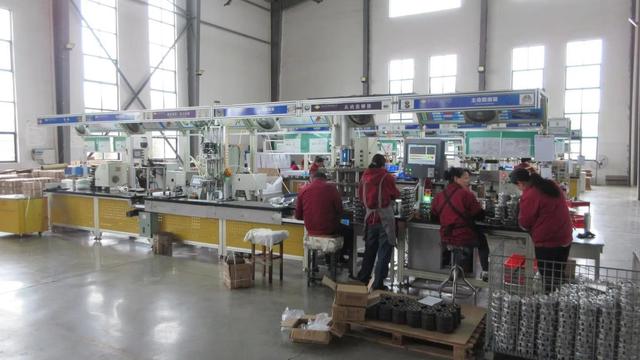
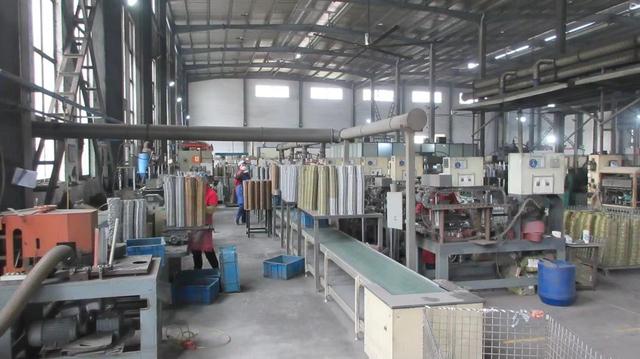
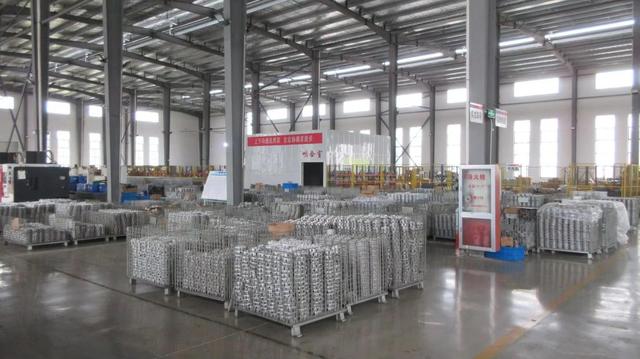
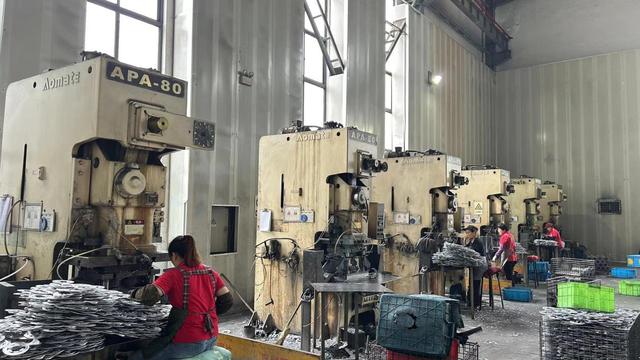
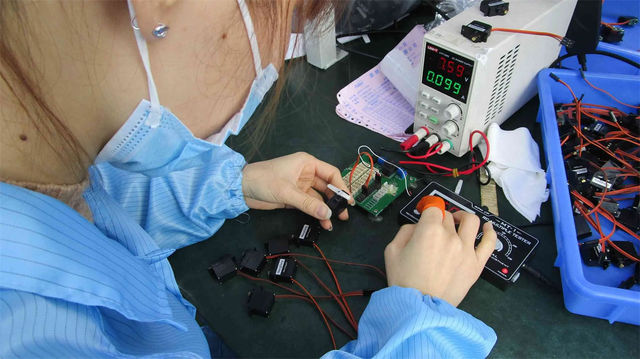
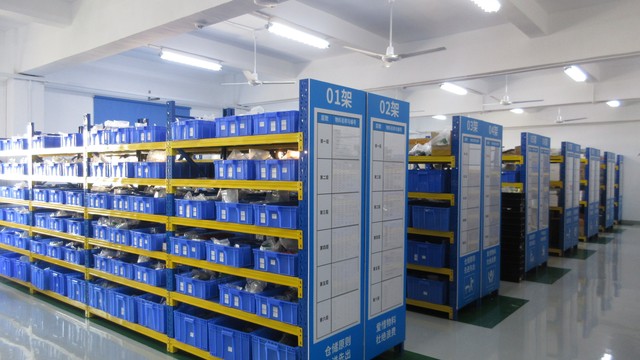
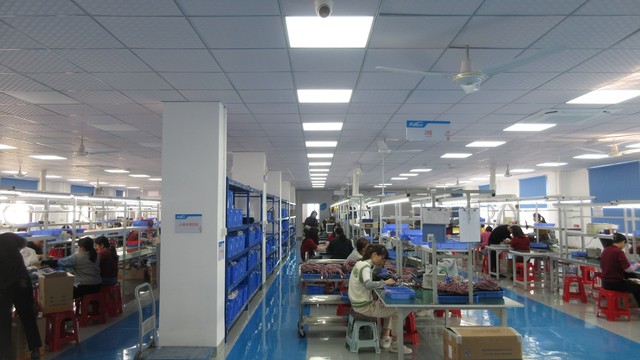
A closer look inside our 28,000㎡ advanced manufacturing facility and production lines.

In-depth responses to the most common queries from energy systems developers and hardware engineers.
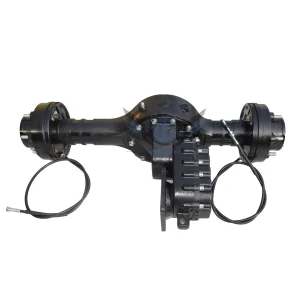
Robust mechanical and electrical assemblies designed for complex mobility conversion and stationary storage configurations.
 DCI Autos