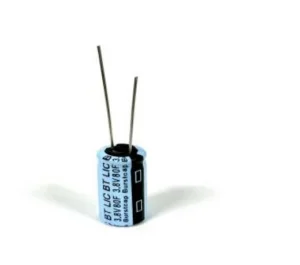
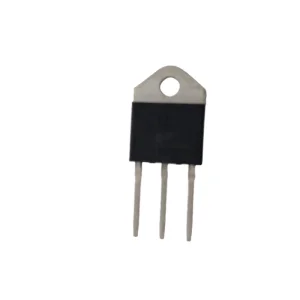
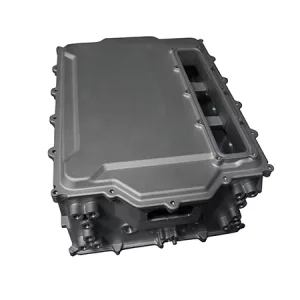
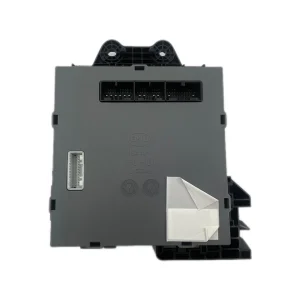
Explore our premium select range of automotive control units, custom structural castings, electronic componentry, and thermal management architectures engineered for high reliability.
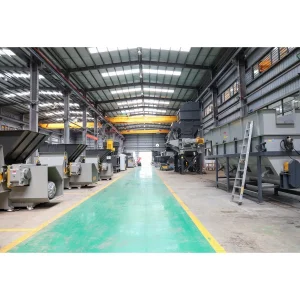

Shenzhen DCI Autos Co., Ltd. is a leading-edge designer, manufacturer, and global exporter specializing in advanced electric vehicle (EV) components, high-voltage battery modules, and intelligent thermal management solutions. Established in 2014, our headquarters and manufacturing complex are strategically situated in Shenzhen, Guangdong Province, the absolute core of green energy technologies and precision electronic engineering.
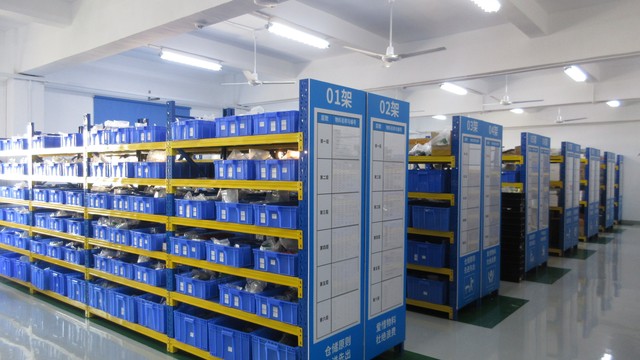
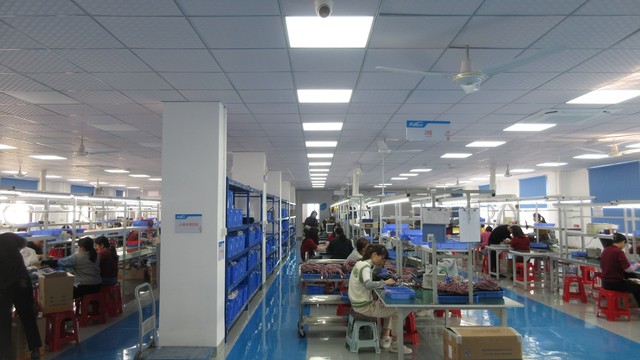
Over the past decade, we have established a robust technological foundation. Spanning across a state-of-the-art facility of 28,000 square meters and driven by a team of over 300 dedicated specialists, DCI Autos manages a vertically integrated ecosystem. We cover the entire product lifecycle from initial conceptual layout and thermal simulations to complex multivariable BMS firmware programming, CNC precision die-casting, and comprehensive functional validation.
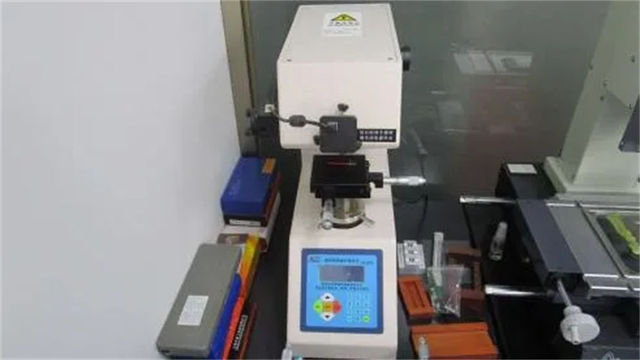
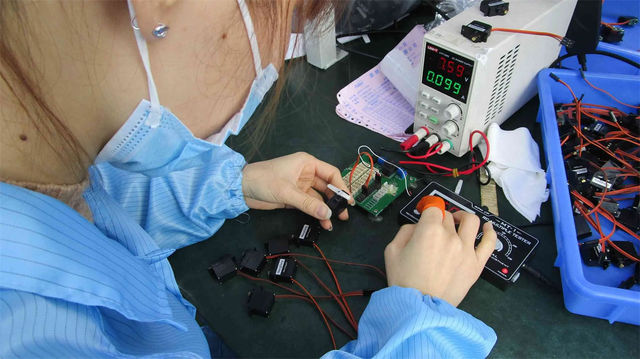
Our production facility integrates modern automated placement lines, high-frequency ultrasonic wire bonding, automated optical inspection (AOI), and environmental testing chambers. This advanced infrastructure guarantees that every custom OEM/ODM assembly complies with strict tier-1 automotive standards and international safety guidelines.
The global transition to electrification demands high energy density, fast charging times, and reliable battery packs. Discover the major innovations shaping modern custom power battery modules.
Industry packaging is shifting from traditional Module-to-Pack (MTP) designs to Cell-to-Pack (CTP) and Cell-to-Chassis (CTC) designs. Eliminating internal structural elements allows for more active chemistry, increasing vehicle range by 15% to 25% without changing the overall size of the battery pack.
Migrating from 400V platforms to 800V architectures decreases charging times. This requires advanced insulation, enhanced dielectric materials, and sophisticated Battery Management Systems (BMS) capable of handling higher electric stresses without overheating.
Commercial vehicle grids and energy storage systems (ESS) need battery packs that can withstand thousands of charging cycles. By using chemistry optimization (such as stable LiFePO4 structures) and active thermal management, modules can maintain over 80% capacity after 3,000 to 5,000 deep cycles.
Global procurement teams face complex challenges, including supply chain disruptions, changing customs regulations, and strict quality audits. At DCI Autos, we simplify global sourcing with an end-to-end management workflow designed for modern OEMs.
We provide comprehensive technical documentation, raw material traceability (from raw lithium/cobalt ores to finished cell modules), and strict process validation. This proactive approach helps customers pass IATF audits and minimize supply chain risks.
Material Traceability: We document every component in our supply chain to ensure quality and compliance.
Design & Process Validation (DV & PV): Every module design undergoes thermal shock, mechanical vibration, and electrical validation tests before manufacturing begins.
Agile Scaling: Our 28,000 sqm facility features automated production lines, allowing us to quickly scale from prototype runs to high-volume production.
Reliable battery performance depends on effective heat dissipation and robust mechanical packaging. We build modules designed to withstand demanding operating conditions.
High-capacity batteries require precise thermal management to prevent thermal runaway. DCI Autos designs custom liquid cooling systems utilizing snake-shaped cooling channels that run directly between cell rows. This design minimizes temperature variations across the pack, keeping core temperatures within their optimal operating window (25°C to 35°C) even during rapid DC fast charging or heavy discharge states.
By using structural adhesives that double as thermal interfaces, we improve thermal transfer efficiency while strengthening the structural integrity of the module housing.
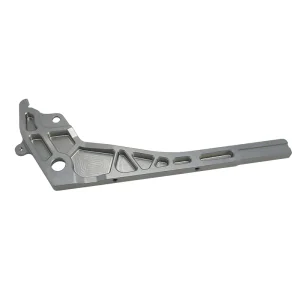
To optimize vehicle range, reducing weight is a key focus. Our advanced die-casting division produces lightweight aluminum enclosures for battery modules and vehicle control units (VCU). These structural alloys provide high mechanical strength to protect internal cells during crashes, while helping to minimize the overall weight of the vehicle chassis.
Our research and development team is continuously working on next-generation battery chemistries and packaging architectures.
We are engineering battery module housings and BMS systems compatible with solid-state cell technologies, aiming for gravimetric densities above 400 Wh/kg and reduced thermal runaway risk.
Our BMS division is developing cellular and IoT-enabled control boards that transmit cell health data to the cloud. This enables predictive maintenance, real-time SOH tracking, and over-the-air (OTA) calibration.
To reduce life-cycle environmental impact, our modules are designed to be easily disassembled. This allows individual cells to be easily reclaimed and reprocessed at the end of their service life.
Exporting high-voltage battery modules requires strict compliance with international safety standards. DCI Autos ensures that all custom products are tested and certified to meet the regulatory requirements of your destination market.
We conduct in-house tests for crash protection, drop testing, thermal shock, short circuits, salt spray, and long-term vibration. This testing ensures compliance with international transport and grid regulations, helping to avoid customs delays and product liability concerns.
Get answers to common technical, regulatory, and customization questions from our engineering team.
Inside our 28,000 square meter factory floor, where automated robotics, precise laser welding, and strict quality control come together.
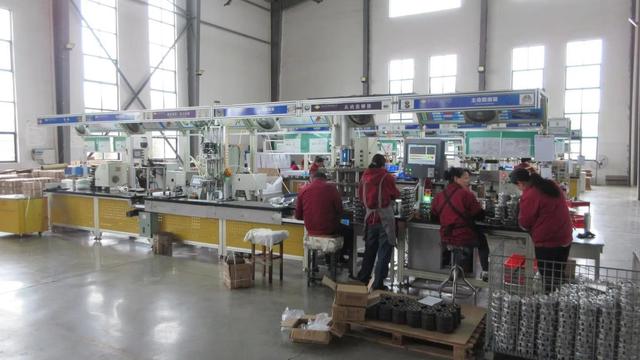
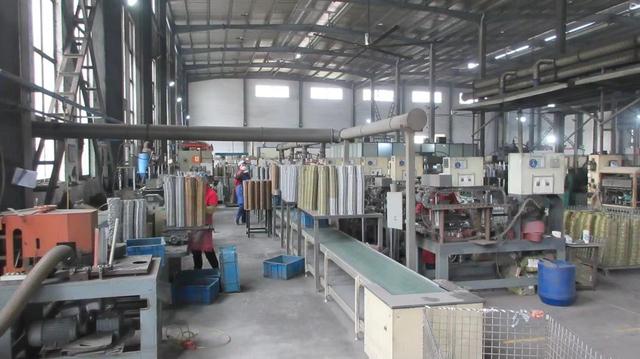
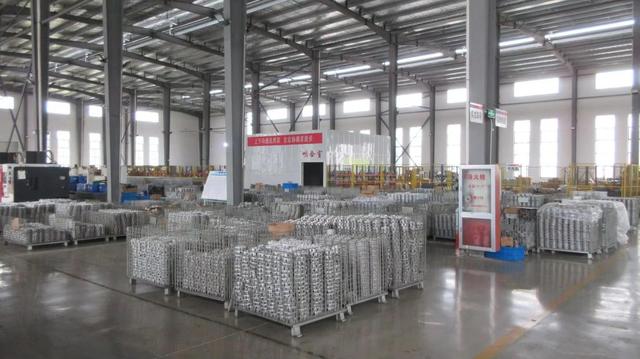
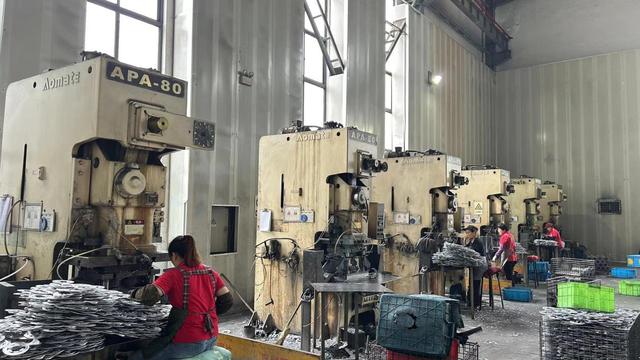
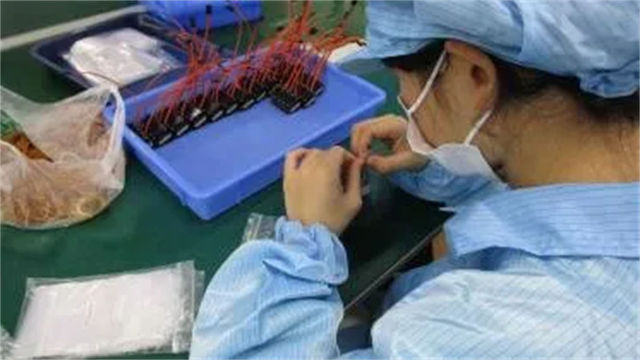
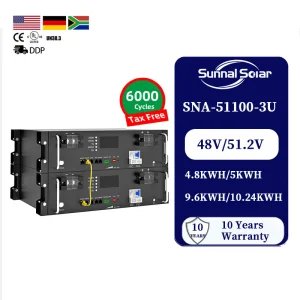
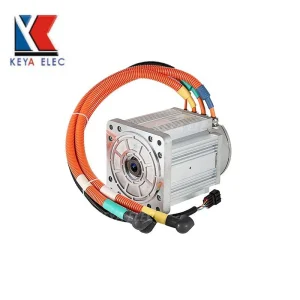
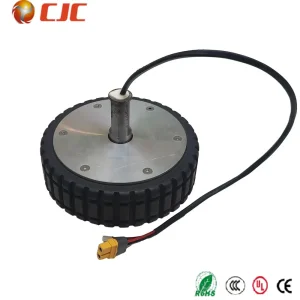
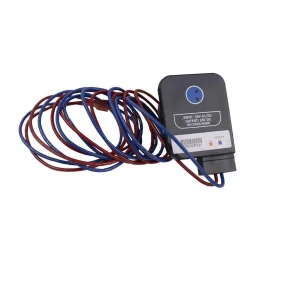
Explore our selection of energy storage batteries, high-voltage liquid cooling plates, mid-drive motors, and wiring systems for global vehicle platforms.

 DCI Autos