High-performance control units, active balance systems, and kinetic recuperation technology engineered for modern electric drivetrains.
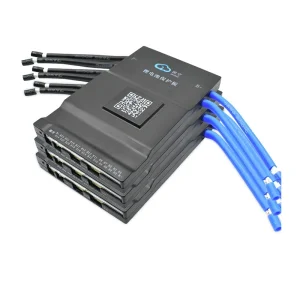
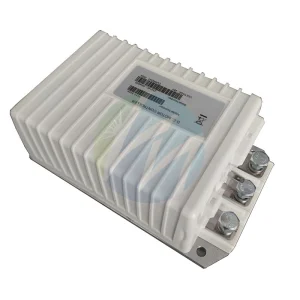
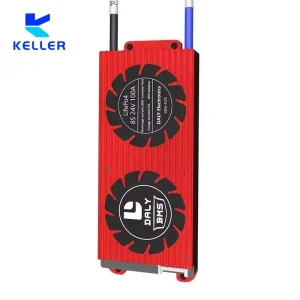
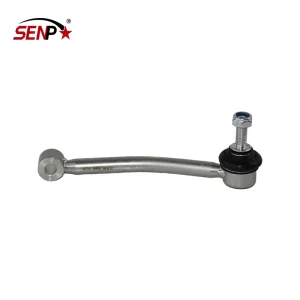
Driving efficiency and absolute system utilization across commercial, industrial, and passenger transit segments.
Modern electric mobility operates under a clear, uncompromising mandate: optimize thermodynamics, mitigate kinetic depletion, and scale output efficiency. In the search for maximum vehicle driving range, pure battery capacity expansion hits a wall of diminishing returns due to structural weight penalties and cost thresholds. This is where high-efficiency Vehicle Energy Recovery Systems (VERS) transform from accessory systems into vital engineering baselines. By capturing thermal exhaust, dynamic deceleration energy, and structural vibrations, custom OEM energy recovery configurations reduce reliance on raw battery chemistry while mitigating lifecycle carbon footprints.
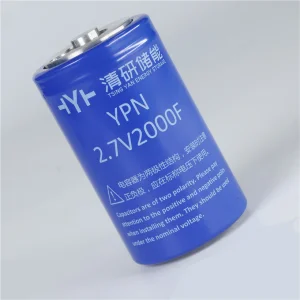
Converting deceleration momentum into high-current electrical reserves. Utilizing advanced regenerators and high-performance supercapacitors to offset immediate battery stress during start-stop duty cycles.
Harnessing vehicle chassis and drivetrain thermal outputs. Integrating advanced thermal oxidizers and active fluid cooling valves to stabilize structural components and reclaim waste heat for battery warming.
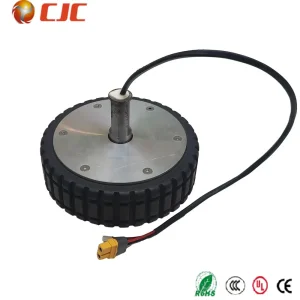
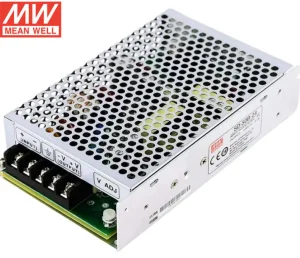
Harmonizing electric hub motors, active BMS balancers, and DC-DC converters to form an intelligent onboard power grid, preventing system loss and maximizing operational uptime.
Across North America, Europe, and the Asia-Pacific region, automotive regulatory bodies are enacting strict requirements regarding fleet emissions and minimum EV operational range. Manufacturers are increasingly looking for customized OEM and ODM vehicle energy recovery component setups. Localized engineering support combined with strict regulatory compliance is essential for global deployments.
Automotive components must conform to diverse global safety frameworks, including the European Union's CE and RoHS directives, North America's UL certifications, and the global automotive standard, IATF 16949. Energy recovery hardware, thermal management units, and high-voltage battery management systems must operate safely under extreme environmental conditions. From the urban heat islands of Southeast Asia to the freezing winter corridors of Northern Europe, these systems must maintain consistent operating efficiency.
Established
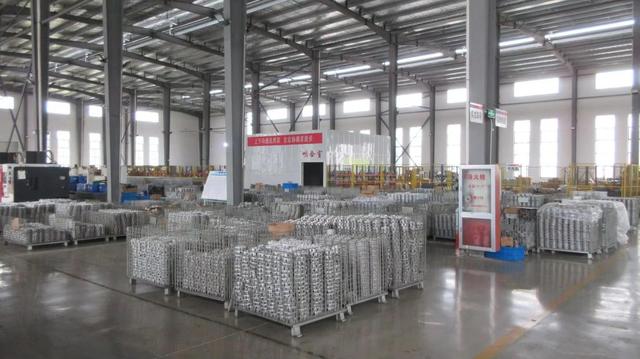
Modern Factory Facility
Professional Staff & Engineers
Precision Quality Assured
A decade of engineering leadership in high-efficiency electric vehicle component integration and advanced mobility technologies.
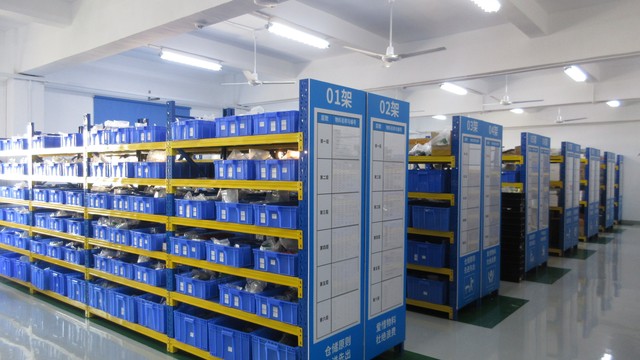
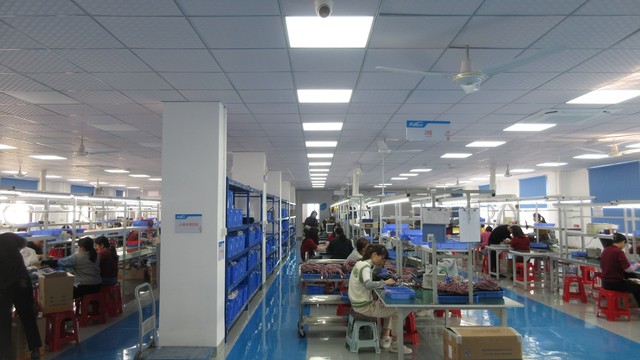
Shenzhen DCI Autos Co., Ltd. is a professional manufacturer specializing in electric vehicle components and advanced mobility technologies for the global automotive industry. Established in 2014, the company is headquartered in Shenzhen, Guangdong Province, a leading center for innovation in electric transportation and intelligent manufacturing. Operating from a modern production facility covering 28,000 square meters and supported by more than 300 employees, DCI Autos has developed comprehensive capabilities in engineering, manufacturing, testing, and international supply chain support.
The company focuses on the development and production of battery systems, power electronics, electric drivetrain components, battery management systems (BMS), charging system components, thermal management solutions, high-voltage electrical assemblies, and integrated EV powertrain technologies. Its products are designed to support passenger vehicles, commercial electric vehicles, light-duty transportation platforms, and emerging mobility applications.
DCI Autos combines advanced manufacturing technologies, automated production equipment, and rigorous quality control procedures to ensure product reliability, efficiency, and long-term operational performance. The company operates dedicated engineering laboratories and testing facilities where products undergo extensive validation, environmental testing, and performance verification throughout the development and manufacturing process.
To meet the evolving requirements of the electric mobility sector, DCI Autos provides flexible OEM and ODM services, including customized component development, private-label manufacturing, system integration support, and application-specific engineering solutions. Its research and development team continuously explores innovations in electrification, energy management, lightweight design, and intelligent vehicle systems.
Today, Shenzhen DCI Autos Co., Ltd. serves customers across North America, Europe, Southeast Asia, the Middle East, South America, and other international markets. Through continuous innovation, precision manufacturing, and customer-focused collaboration, the company remains committed to supporting the global transition toward sustainable transportation and next-generation electric mobility technologies.
Providing highly optimized energy capture profiles based on real-world industrial usage and transit patterns.
Municipal delivery trucks and urban buses operate with high-frequency start-stop cycles. Standard friction brakes waste substantial mechanical energy as heat. By integrating our integrated powertrain kits, active balancing BMS, and high-performance supercapacitors, fleets can recover up to 25% of energy that would otherwise be lost during deceleration. This stored energy is immediately channeled back into the motor during acceleration, reducing battery strain.
Modern distribution hubs run on Automated Guided Vehicles (AGVs) that operate continuously. Fast-response power converters and brushless DC drive hub motors allow these automated platforms to convert descent and deceleration phases into electricity. This setup extends battery life and reduces maintenance downtimes.
Heavy commercial EV platforms descending steep gradients generate high amounts of potential energy. Standard battery chemistries struggle to absorb high-current surges without overheating. Combining large-scale lithium BMS arrays with active balancing liquid-cooling thermal pathways allows safe absorption of regenerative energy spikes, protecting the battery's health.
Leading the development of next-generation energy recovery systems and high-efficiency drivetrains.
Predictive algorithms that analyze topology, traffic patterns, and driver behavior to dynamically optimize energy regeneration limits and manage thermal distribution in real time.
Deploying silicon carbide and gallium nitride converters to minimize switching losses, shrink component size, and enable highly efficient high-voltage conversion.
Redesigning active balancing BMS frameworks to support next-generation solid-state batteries, accommodating their unique pressure, thermal, and high-voltage charging profiles.
Expert technical insights regarding energy recovery, system integration, and manufacturing specifications.
Passive balancing systems dissipate excess energy as heat through resistors, which lowers overall system efficiency. Active balancing systems (such as our Smart LiFePO4 active balance BMS) redirect excess energy from higher-voltage cells to lower-voltage cells during recovery phases. This process minimizes thermal loss, extends battery life, and ensures the cell pack can absorb energy efficiently during high-current regenerative braking.
Lithium-ion batteries have limited charge absorption rates (C-rates). Supercapacitors are designed to handle rapid energy transfer, allowing them to capture sudden high-power surges during heavy braking. They store this kinetic energy temporarily and release it during initial acceleration, protecting the primary battery pack from high-current thermal stress.
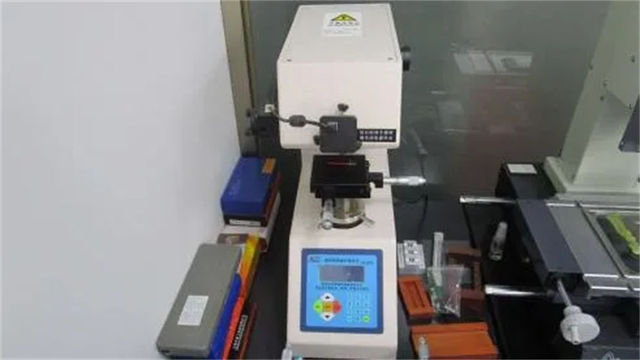
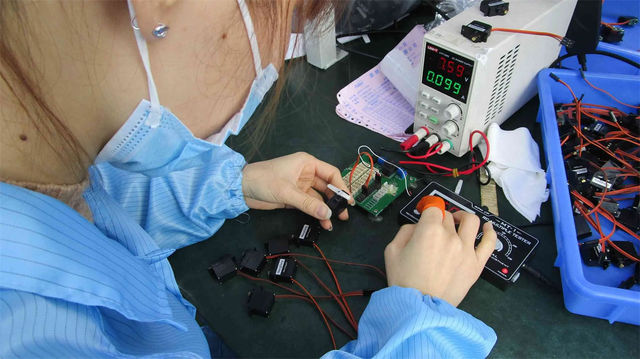
Our 28,000-square-meter facility features testing laboratories for environmental simulation, vibration testing, and thermal shock analysis. High-voltage sub-assemblies, DC-DC converters, and BMS modules undergo complete functional validation to ensure long-term durability and safety in demanding automotive applications.
By monitoring heat dissipation and utilizing precise flow valves, our systems distribute thermal loads evenly. Active liquid cooling lines combined with heat-retardant structural materials stabilize battery and power converter temperatures, keeping them within their optimal range even during heavy energy recovery cycles.
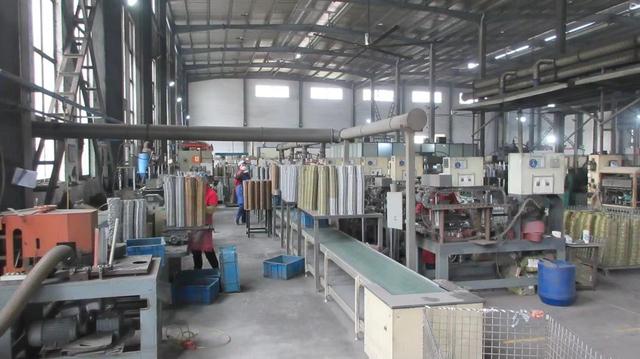
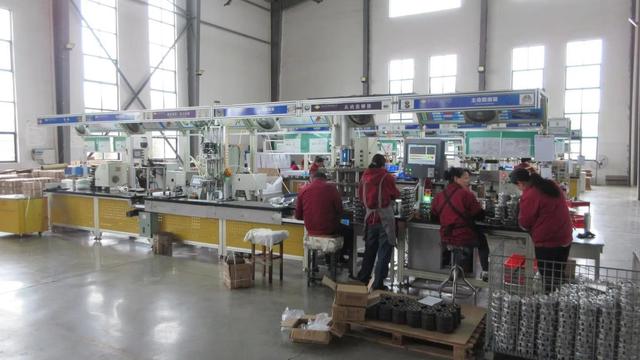
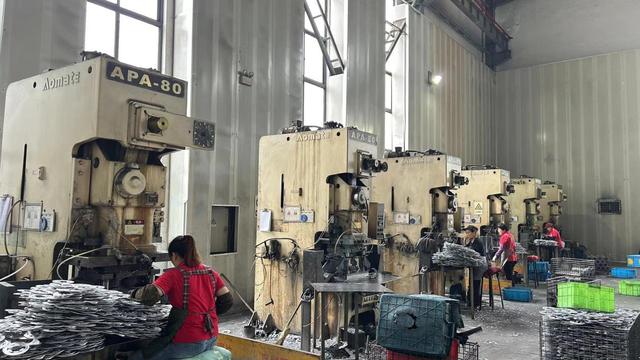
A tour inside our 28,000 square meter factory showing production lines, automated testing gear, and engineering labs.

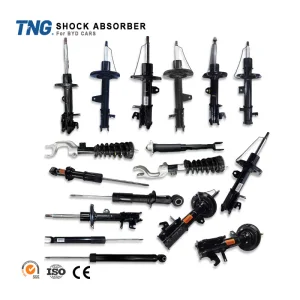
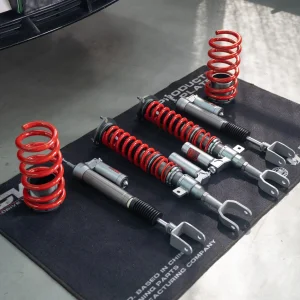
Suspension modules, high-voltage distribution components, and specialized structural designs for automotive and heavy-duty vehicles.

 DCI Autos