As the global automotive industry moves beyond the "Liquid Lithium-Ion Era," Solid-State Batteries (SSB) have emerged as the holy grail of portable energy. For Tier-1 suppliers and global procurement officers, the shift represents more than just a chemical change; it is a fundamental redesign of vehicle safety and energy logistics. By replacing the flammable liquid electrolyte with a stable solid medium, SSB technology eliminates the risk of thermal runaway, making CE-certified Solid-State Batteries the most sought-after component in the EV supply chain for 2025-2030.
Industry leaders are currently facing a critical inflection point. Traditional batteries are reaching their theoretical energy density limits (approx. 300 Wh/kg). In contrast, current SSB prototypes are already exceeding 400 Wh/kg, promising electric vehicles that can travel over 1,000 kilometers on a single charge while reducing total vehicle weight by up to 20%.
We provide end-to-end integration for Solid-State storage. This includes modular pack designs that interface directly with existing EV platforms, reducing R&D costs for manufacturers transitioning from liquid to solid systems.
Current focus: Semi-solid state deployment (2024). Future outlook: All-Solid-State (ASSB) with sulfide and oxide electrolytes, aiming for mass-market commercialization by 2027 with high scalability.
Beyond CE certification, our factory ecosystem adheres to UN38.3, UL, and IEC standards, ensuring that international exporters can clear customs in North America and Europe without friction.
Shenzhen DCI Autos Co., Ltd. is a professional manufacturer specializing in electric vehicle components and advanced mobility technologies for the global automotive industry. Established in 2014, the company is headquartered in Shenzhen, Guangdong Province, a leading center for innovation in electric transportation and intelligent manufacturing. Operating from a modern production facility covering 28,000 square meters and supported by more than 300 employees, DCI Autos has developed comprehensive capabilities in engineering, manufacturing, testing, and international supply chain support.
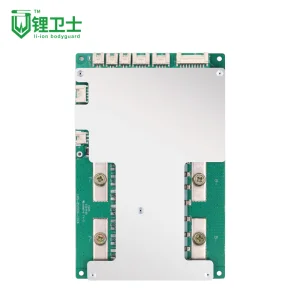
The company focuses on the development and production of battery systems, power electronics, electric drivetrain components, battery management systems (BMS), charging system components, thermal management solutions, high-voltage electrical assemblies, and integrated EV powertrain technologies. Its products are designed to support passenger vehicles, commercial electric vehicles, light-duty transportation platforms, and emerging mobility applications.
DCI Autos combines advanced manufacturing technologies, automated production equipment, and rigorous quality control procedures to ensure product reliability, efficiency, and long-term operational performance. The company operates dedicated engineering laboratories and testing facilities where products undergo extensive validation, environmental testing, and performance verification throughout the development and manufacturing process.
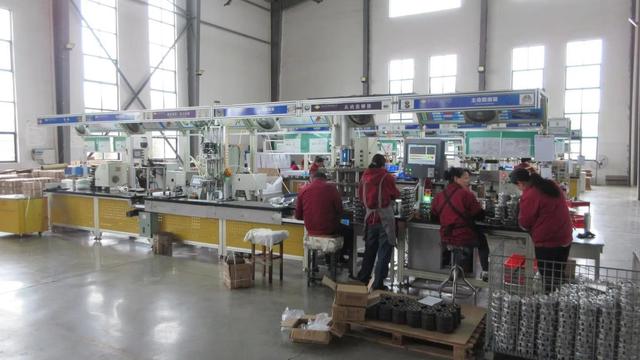
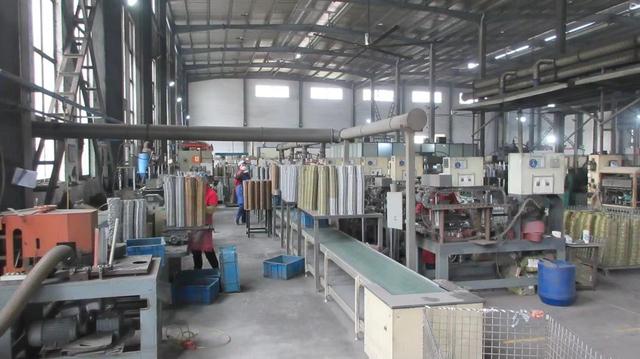
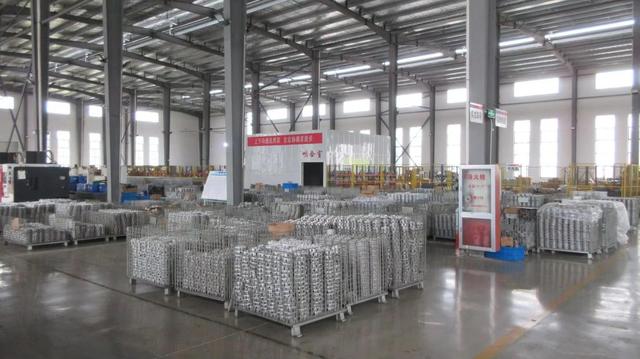
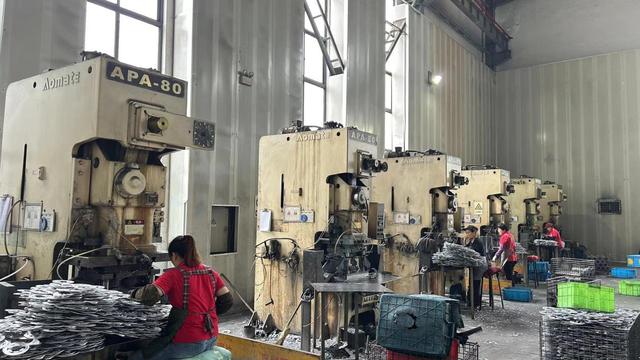

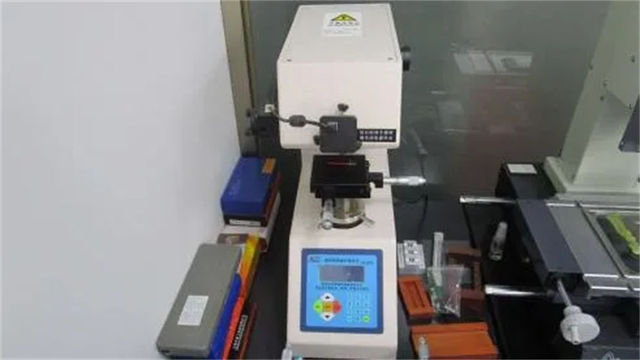
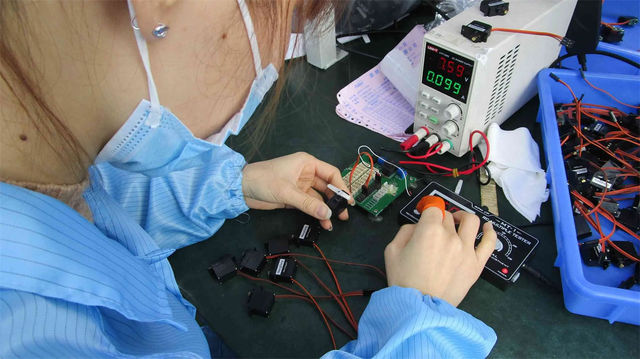
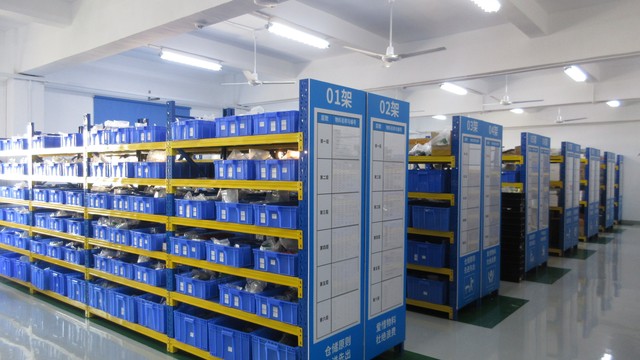
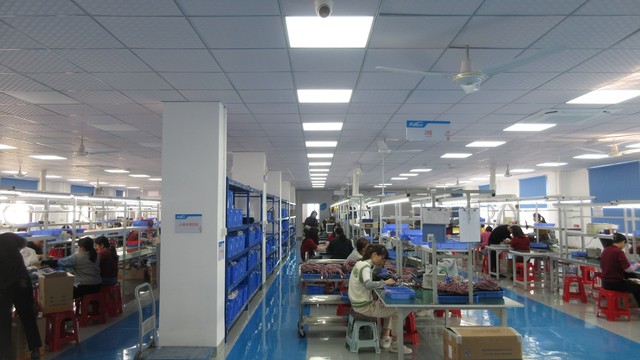
To meet the evolving requirements of the electric mobility sector, DCI Autos provides flexible OEM and ODM services, including customized component development, private-label manufacturing, system integration support, and application-specific engineering solutions. Its research and development team continuously explores innovations in electrification, energy management, lightweight design, and intelligent vehicle systems. Today, Shenzhen DCI Autos Co., Ltd. serves customers across North America, Europe, Southeast Asia, the Middle East, South America, and other international markets.
Navigating the transition to Solid-State technology requires more than just a supplier; it requires a strategic partner. We offer Localization Support that includes language-specific technical manuals, local grid compliance for charging modules, and on-site engineering consultations for high-volume orders. Our global distribution network ensures that lead times are minimized, even for complex custom-designed battery management systems (BMS).
The industrial landscape is currently dominated by a "safety-first" mindset. In heavy-duty commercial applications—such as electric buses and mining equipment—the non-flammable nature of Solid-State electrolytes is no longer a luxury but a mandated safety requirement in many jurisdictions.
 DCI Autos